What is a Bent-axis Motor and How Does it Work?
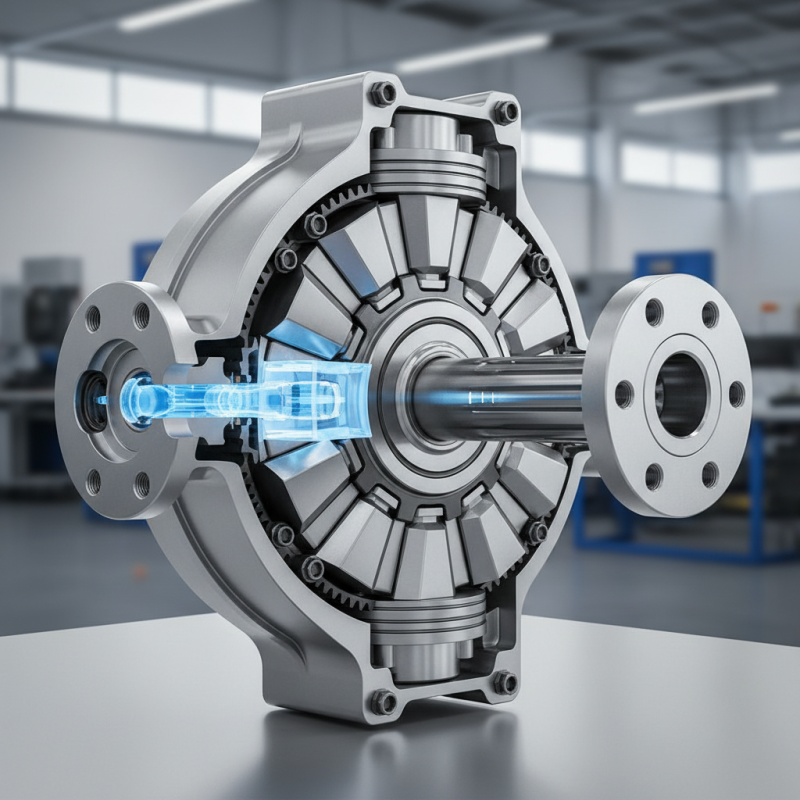
A Bent-axis Motor is a unique type of hydraulic motor designed for various applications. It uses a distinctive bent-axis design, which maximizes efficiency. The motor’s angled output shaft allows for direct power transmission, reducing energy loss. This motor has a simpler structure compared to traditional options, making it easier to maintain.
The working principle of the Bent-axis Motor relies on fluid flow and pressure. When hydraulic fluid enters the motor, it pushes against angled pistons. These pistons convert hydraulic energy into mechanical movement. This design leads to a more compact and reliable system. Many industries, from construction to agriculture, have adopted Bent-axis Motors for their robustness.
However, it is not without flaws. The efficiency may drop under certain conditions. Users must consider the motor's limitations in specific environments. Understanding these details is essential for making informed choices. The Bent-axis Motor continues to evolve, and its design may improve. Yet, it remains crucial to reflect on its current effectiveness.
What is a Bent-axis Motor?
A bent-axis motor is a type of hydraulic motor widely used in various applications. The design features a shaft that is offset at a specific angle. This unique configuration allows it to convert hydraulic fluid pressure into rotational motion efficiently. The bent-axis motor's architecture enables better torque delivery and higher efficiency, making it a preferred choice for heavy machinery and mobile equipment.
One notable aspect of bent-axis motors is their ability to operate at different angles, impacting performance. According to industry reports, these motors typically achieve up to 95% efficiency in optimal conditions. They are beneficial in applications requiring high power density, such as construction equipment and agricultural machinery. However, they may experience issues during extreme operational scenarios, leading to maintenance challenges.
Market data suggests a steady growth in the bent-axis motor sector, driven by increased demand for efficient systems. As industries aim to reduce energy consumption, bent-axis motors play a critical role in achieving these goals. Designers must continue to innovate and address limitations like size constraints and noise. The challenge remains to optimize performance while ensuring reliability and longevity in diverse working environments.
Working Principle of Bent-axis Motors
Bent-axis motors are unique hydraulic devices known for their efficiency and compact design. The working principle behind these motors involves a bent-axis arrangement, where the drive shaft is inclined to the motor's axis. This allows for a versatile performance in various applications. As fluid enters the motor, it pushes on the inclined pistons. This displacement generates rotational motion effectively.
One of the key advantages of bent-axis motors is their high power density. Industry reports suggest that they can deliver up to 98% efficiency. This makes them ideal for applications requiring precise control and reliability. However, achieving this efficiency requires a robust design and quality components. It’s essential to monitor the system regularly for optimal performance.
Tip: Proper maintenance can enhance the lifespan of bent-axis motors. Simple actions like checking fluid levels and ensuring seals are intact can prevent costly overhauls.
While these motors excel in many areas, they are not without limitations. For instance, their complexity can lead to higher manufacturing costs. This is a consideration for many projects sensitive to budgets. Future research may address these challenges, seeking to improve both performance and cost-effectiveness.
Applications of Bent-axis Motors in Industry
Bent-axis motors are gaining traction in various industries due to their efficiency and compact design. These motors are especially useful in hydraulic systems. Their ability to convert hydraulic energy into mechanical movement makes them versatile. You can find them in construction equipment, agricultural machinery, and industrial automation.
In construction, these motors power excavators and cranes. They offer smooth operation and precise control. This is crucial in tight spaces or delicate environments. The motors' design allows them to handle high pressures, making them suitable for rugged conditions. Applications also extend to mobile equipment. Their durability is a significant factor in these settings.
One challenge remains. While bent-axis motors are reliable, they can be complex to integrate. Proper installation requires skilled technicians. In some cases, companies may struggle with the technical aspects, leading to delays. This highlights the need for effective training and support for workers. Understanding these nuances can improve efficacy.
Advantages of Bent-axis Motors Compared to Other Types
Bent-axis motors are gaining traction in various industries due to their unique design and performance benefits. These motors utilize a bent-axis configuration, which allows for increased efficiency in fluid power applications. According to recent data from the International Society for Fluid Power, bent-axis motors can achieve efficiency levels up to 90%, significantly higher compared to traditional motors, which average around 80%. This efficiency stems from their design, which reduces internal leakage and improves torque output.
Another advantage of bent-axis motors is their compact size. Industry reports indicate that they are generally smaller and lighter than comparable motors. This compactness facilitates easier integration into existing systems, especially in tight spaces. Additionally, these motors offer a wide range of operating speeds and have a much better power-to-weight ratio. However, they may not be the optimal choice for every application, particularly in scenarios where high-speed operation is required.
Data from Fluid Power World reveals that while bent-axis motors excel in low to medium speed ranges, their performance can decline when pushed to extremes. The aging design of some bent-axis motors could also lead to maintenance concerns. Engineers must weigh these factors when selecting the appropriate motor for their specific application.
Common Challenges and Limitations of Bent-axis Motors
Bent-axis motors are known for their unique design and functionality. However, they do face several challenges. One major issue is efficiency loss. These motors often experience friction during operation. This can lead to overheating and reduced performance. The alignment of components is crucial. Misalignment can cause uneven wear, impacting longevity.
Another challenge involves noise. Bent-axis motors can be quite loud during operation. This noise may hinder their use in quiet environments. Additionally, they have limitations in power density. When high torque is needed, performance may drop. Complications in control systems also arise. Tuning these systems for optimal performance can be complex. It often requires trial and error.
The maintenance of bent-axis motors can be demanding. Regular inspections are necessary to prevent breakdowns. Components may need frequent adjustments. This can add to operational costs. Users must also consider installation challenges. Space constraints can limit where these motors are placed. These factors can make bent-axis motors less appealing for some applications. Over time, these issues might prompt users to rethink their choices.
What is a Bent-axis Motor and How Does it Work? - Common Challenges and Limitations of Bent-axis Motors
| Parameter | Description | Typical Value | Common Challenges | Potential Limitations |
| Torque Output | The amount of rotational force produced | 50-500 Nm | Torque ripple due to design | Limited high-speed performance |
| Efficiency | The ratio of output power to input power | 85-95% | Variable efficiency at low speeds | Thermal management requirements |
| Operating Speed | Maximum speed at which the motor can operate | 3000-5000 RPM | Speed loss under load | Potential resonance issues |
| Weight | The total mass of the motor | 10-50 kg | Weight affects application versatility | Space considerations in design |
| Maintenance | Required regular checks and servicing | Annual maintenance recommended | Wear and tear on components | Cost of maintenance over time |
