10 Best Industrial Racking Solutions for Your Warehouse Needs?
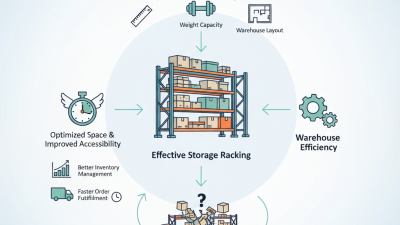
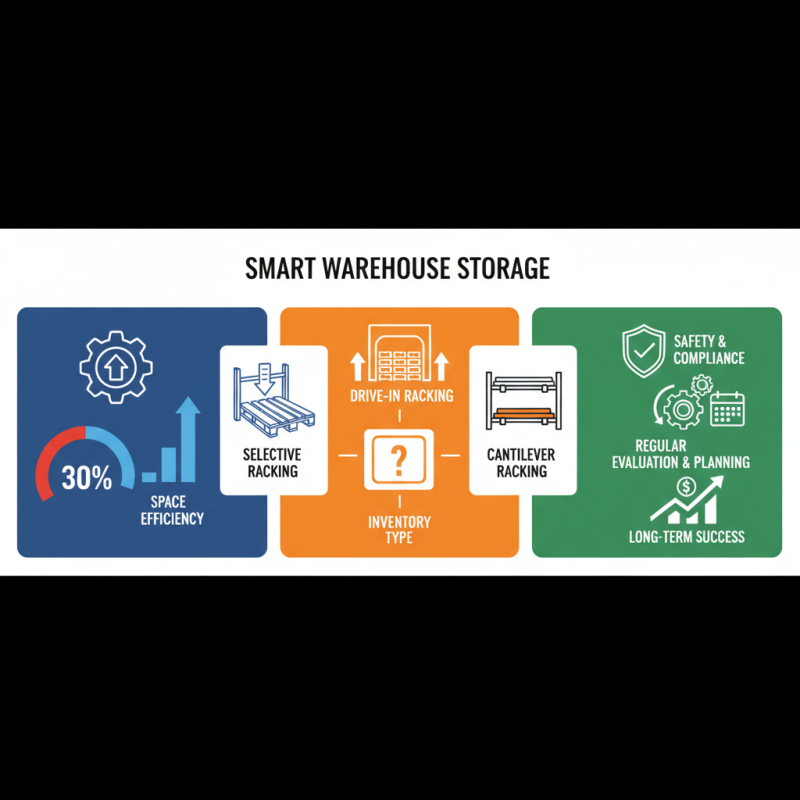
In today's competitive market, efficient warehouse management is crucial. Industrial racking solutions play a vital role in optimizing storage and retrieval. According to a report by the Warehousing Association, 30% of warehouse space is often underutilized. Proper racking systems can significantly improve space efficiency.
Industrial racking comes in various forms, including selective, drive-in, and cantilever racks. Each offers unique advantages suited to different inventory types. For instance, selective racking allows easy access to individual pallets. In contrast, drive-in racking maximizes vertical space but may complicate access. Understanding these options is essential for selecting the right system.
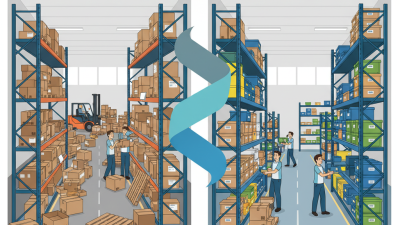
Moreover, not all racking systems are created equal. The right choice can reduce damage to goods and improve worker safety. Many warehouses still face challenges related to safety and compliance. Industry experts emphasize regular evaluation of storage solutions to avoid potential risks. Industrial racking needs thoughtful consideration and strategic planning to support a warehouse's long-term success.
Types of Industrial Racking Solutions for Various Warehouse Layouts
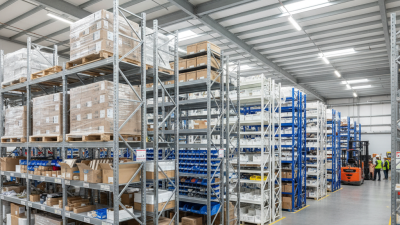
When it comes to maximizing space, various industrial racking solutions fit different warehouse layouts.
Selective pallet racking is especially versatile. It allows easy access to each pallet, making it suitable for warehouses with a diverse range of products.
These racks can be adjusted for height, accommodating various items. However, they may not optimize space as effectively in narrow aisles.
Narrow aisle and double-deep racking systems offer increased storage density. Narrow aisle racks maximize vertical space, while double-deep systems allow for stacking two pallets deep.
These setups, however, require specialized equipment to navigate, which can complicate operations. Companies must weigh the benefits of high density against potential accessibility issues.
Drive-in and drive-through racks provide efficient storage for high-volume items. They allow for bulk storage and fast retrieval.
However, these systems come with challenges. They may create bottlenecks if not managed properly. Understanding the warehouse workflow is crucial when implementing these solutions.
Each racking type may have advantages, but improper selection could lead to inefficiencies.
Key Features to Consider When Choosing Racking Systems for Your Warehouse
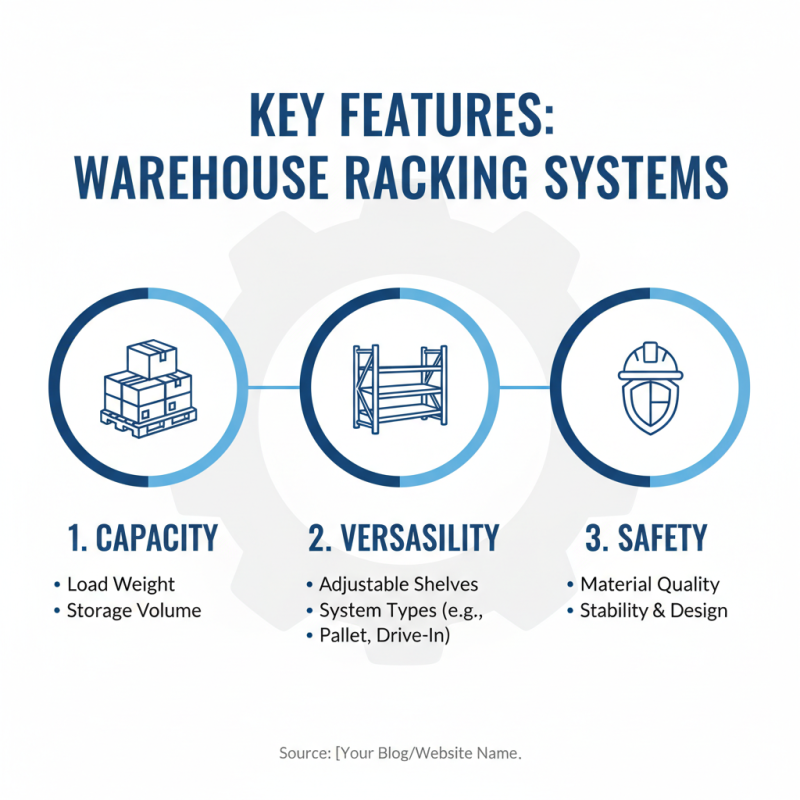
Choosing the right racking system is crucial for warehouse efficiency. Key features can greatly influence storage effectiveness. Capacity, versatility, and safety should be considered deeply.
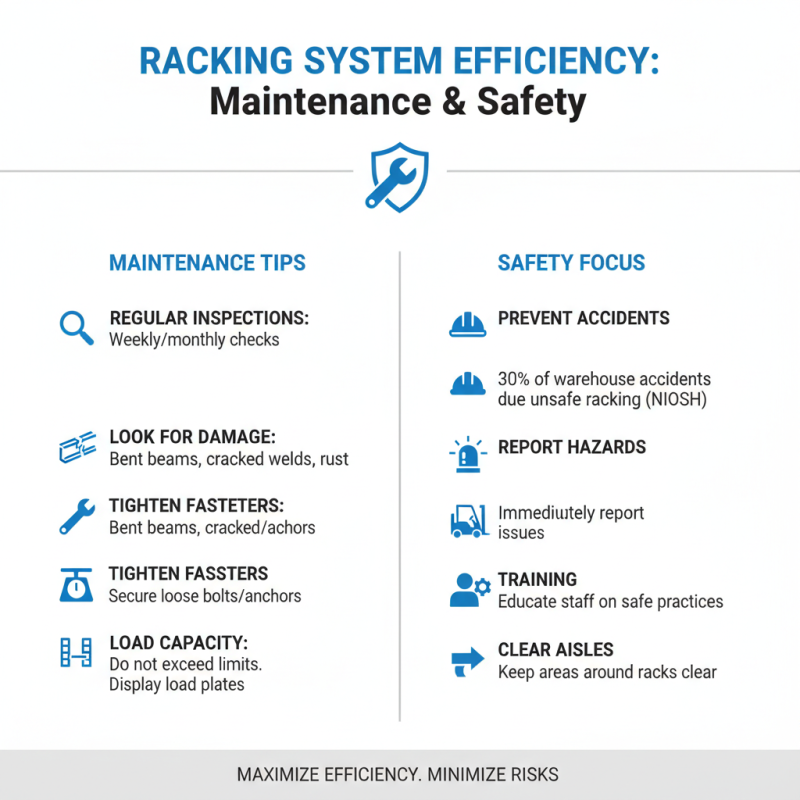
Warehouse data suggests that nearly 75% of space can be utilized with the right racking. Adjustable shelving and modular systems enhance flexibility. These options cater to changing inventory levels and types. Additionally, weight capacity is vital. Overloading can lead to accidents. Ensuring the shelves can support the expected weight is essential.
Safety features such as load indicators and safety bars are often neglected. However, they play a critical role in preventing injuries and product damage. Investing in racking systems with integrated safety measures is wise. Poorly designed racks can cause injuries, leading to costly downtime. Thus, evaluating safety alongside other features is necessary. Ultimately, thoughtful selection leads to better operational outcomes.
Top 10 Industrial Racking Solutions and Their Unique Benefits
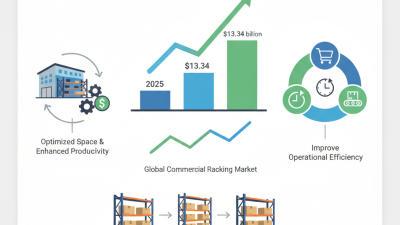
When it comes to optimizing warehouse space, industrial racking solutions play a crucial role. Selecting the right type of racking can increase storage efficiency and improve workflow. According to a 2021 industry report, warehouses that implement innovative racking systems can boost storage capacity by up to 40%. This significant improvement highlights the need for tailored racking solutions.
Pallet racks are among the most popular choices. They enable easy access to goods and provide high-density storage. Another effective option is the cantilever rack, ideal for long or bulky items. These racks maximize vertical space and minimize the footprint. A recent study noted that these systems can reduce retrieval times by 30%, enhancing overall productivity.
However, not every solution fits every warehouse. The layout, product type, and material handling methods will affect performance. It’s essential to evaluate the unique needs of a warehouse before implementation. Some facilities may find that traditional systems do not accommodate their operational flexibility. Understanding these factors is vital to avoid costly mistakes in racking investments.
10 Best Industrial Racking Solutions for Your Warehouse Needs
Comparative Analysis of Cost-Effectiveness of Different Racking Systems
When selecting racking solutions for warehouses, cost-effectiveness is crucial. Each system has unique attributes that influence overall expenses. For instance, selective pallet racks are versatile and generally lower in initial costs. However, they may require more space, leading to higher long-term expenses. In contrast, drive-in racks offer high density but come with greater upfront investment. It’s vital to analyze specific warehouse needs before making a decision.
Choosing a racking system involves balancing space efficiency and cost. Narrow aisle racks maximize storage but necessitate specialized equipment. This can escalate operational costs, challenging managers to justify the investment. While some systems may offer lower initial costs, hidden expenses can accumulate over time. It’s essential to evaluate the total cost of ownership rather than just the upfront cost. Consideration of maintenance, accessibility, and the potential for growth is necessary to ensure that the choice is sustainable.
Every racking solution has its strengths and weaknesses. Factors like product types and turnover rates affect effectiveness. A system that works well today may falter in the future. Continuous evaluation and adaptation of warehouse strategies play a vital role in maintaining cost-effectiveness. Therefore, gather expert insights and perform regular audits to stay on top of your warehouse needs and economic viability.
10 Best Industrial Racking Solutions for Your Warehouse Needs
| Racking System Type |
Cost per Pallet Position |
Load Capacity (lbs) |
Space Utilization (%) |
Setup Time (hours) |
Maintenance Level |
| Selective Pallet Racking |
$100 |
3000 |
80 |
2 |
Low |
| Drive-In Racking |
$150 |
3000 |
90 |
4 |
Medium |
| Push Back Racking |
$120 |
2500 |
85 |
3 |
Medium |
| Pallet Flow Racking |
$200 |
2000 |
95 |
5 |
High |
| Cantilever Racking |
$130 |
4000 |
70 |
3 |
Low |
| Mobile Racking |
$250 |
3500 |
80 |
6 |
Medium |
| Mezzanine Racking |
$180 |
1500 |
88 |
7 |
High |
| FIFO Racking |
$160 |
1800 |
89 |
4 |
Medium |
| Heavy Duty Racking |
$220 |
5000 |
75 |
4 |
High |
| Carton Flow Racking |
$140 |
1200 |
92 |
3 |
Medium |