How to Choose the Best Warehouse Shelving for Your Needs?
Choosing the right warehouse shelving is crucial for efficiency. Proper shelving maximizes space and enhances productivity. It’s essential to understand your specific needs before making a decision.
Warehouses come in various shapes and sizes. Each operation has different requirements, from stock volume to item size. Do you need heavy-duty shelving? Or perhaps adjustable shelves would serve you better? These questions matter. They influence your choice and impact storage effectiveness.
Consider the materials and designs available. Steel shelves offer durability, while plastic ones might be lighter. But can they hold the weight of your inventory? Reflect on how the shelving will fit into your workflow. Finding the best option can be challenging. However, taking the time to assess your warehouse shelving needs pays off in the long run.
Understanding Your Warehouse Storage Requirements
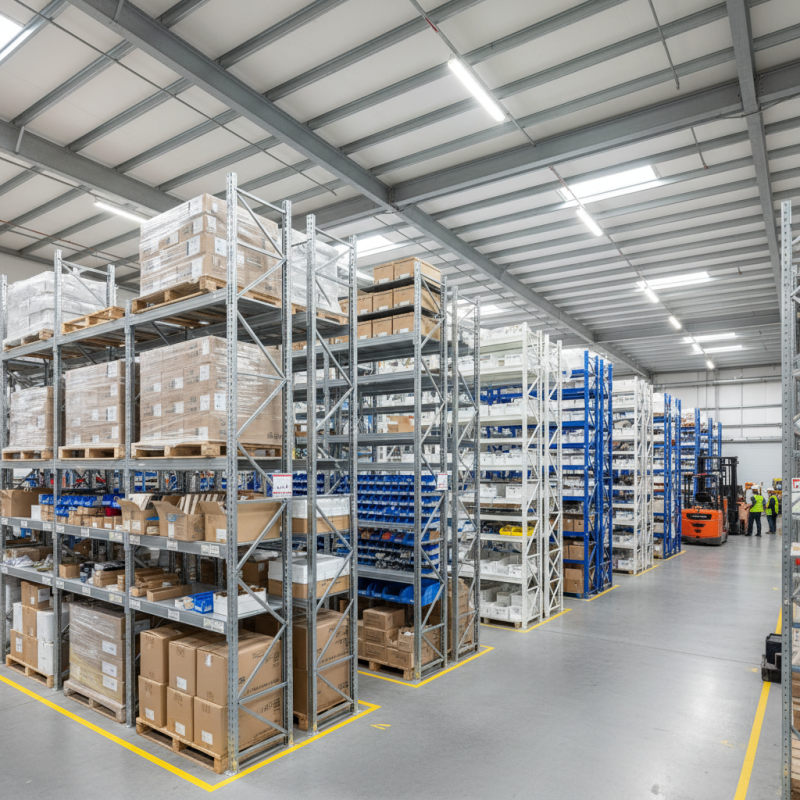
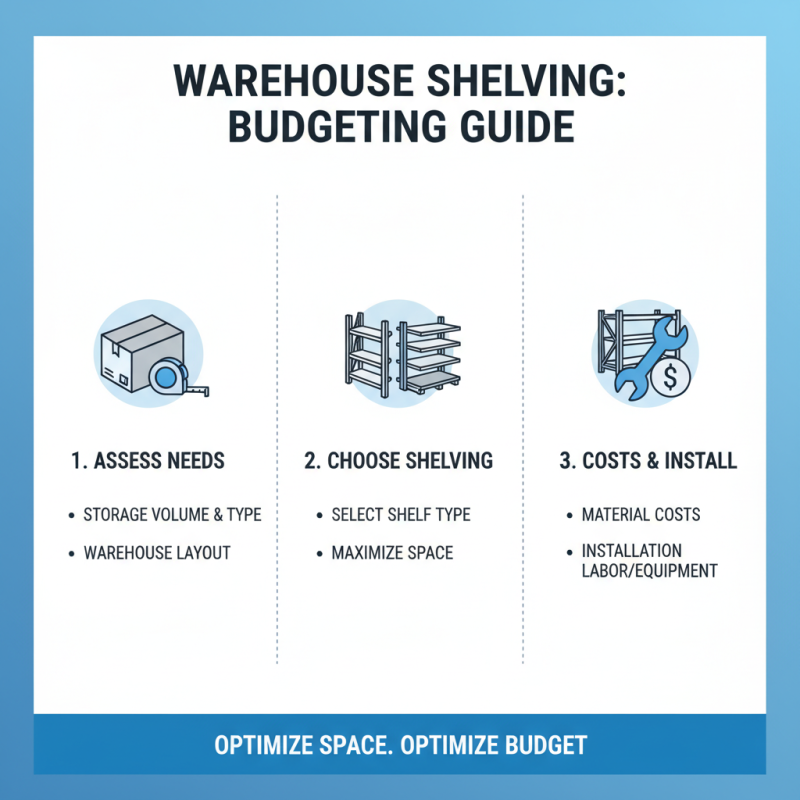
When considering warehouse shelving, understanding your storage needs is crucial. Assess the types of items you plan to store. Are they large, heavy, or small? Knowing this helps determine the shelf design and materials required. For example, pallet racks may be ideal for bulky items, while adjustable shelving is great for smaller goods. The weight capacity of each shelf is a significant factor, too.
Another aspect is the available space in your warehouse. Measure the height, width, and depth of the area designated for shelving. If the space is limited, vertical solutions like high-rise shelving could maximize storage without expanding your footprint. Ensure your layout allows for easy access and safe navigation.
Consider future growth as well. Your needs may change with time. Investing in modular shelving can provide flexibility. While it may seem like a higher initial cost, it can be more efficient in the long run. Reflect on your current and future inventory needs to avoid unnecessary adjustments later. Proper planning prevents wasted resources and enhances operational efficiency in the warehouse.
Evaluating Different Types of Warehouse Shelving Systems
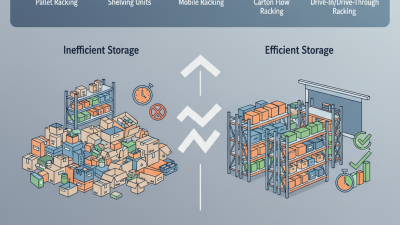
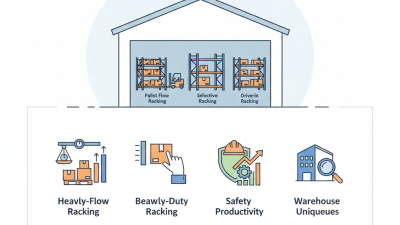
When evaluating different types of warehouse shelving systems, it's essential to consider several factors. The primary types include selective, drive-in, and pallet racking systems. Each type serves distinct purposes and has unique benefits. Selective racking provides easy access to each pallet. This system works well for warehouses with a variety of products. On the other hand, drive-in racking maximizes space and is ideal for bulk storage. It allows vehicles to drive directly into the racking system. However, this may limit access to individual pallets.
Another option is mobile shelving, which can save space in small areas. This system allows shelves to move closer together when not in use. However, it can complicate access during busy hours. Choosing the right type requires careful consideration of your inventory and operations. Assess how often you need to access certain items. This evaluation will guide your decision.
Budget plays a significant role too. While it might be tempting to opt for the cheapest solution, consider long-term costs. Maintenance and potential upgrades can add expenses later. Thoughtful planning now can prevent costly mistakes in the future. It’s crucial to take a step back and reflect on these options. Choosing the wrong shelving can impact efficiency and worker productivity. Whenever in doubt, consulting with an expert can provide valuable insights tailored to your specific needs.
How to Choose the Best Warehouse Shelving for Your Needs?
| Type of Shelving |
Load Capacity (lbs) |
Depth (in) |
Height (in) |
Cost (USD) |
| Boltless Shelving |
1000 |
24 |
72 |
150 |
| Palette Racks |
4000 |
48 |
108 |
450 |
| Cantilever Racks |
3000 |
24 |
96 |
350 |
| Wire Shelving |
600 |
18 |
54 |
200 |
| Mobile Shelving |
1500 |
30 |
60 |
600 |
Assessing Weight Capacity and Durability of Shelving Options
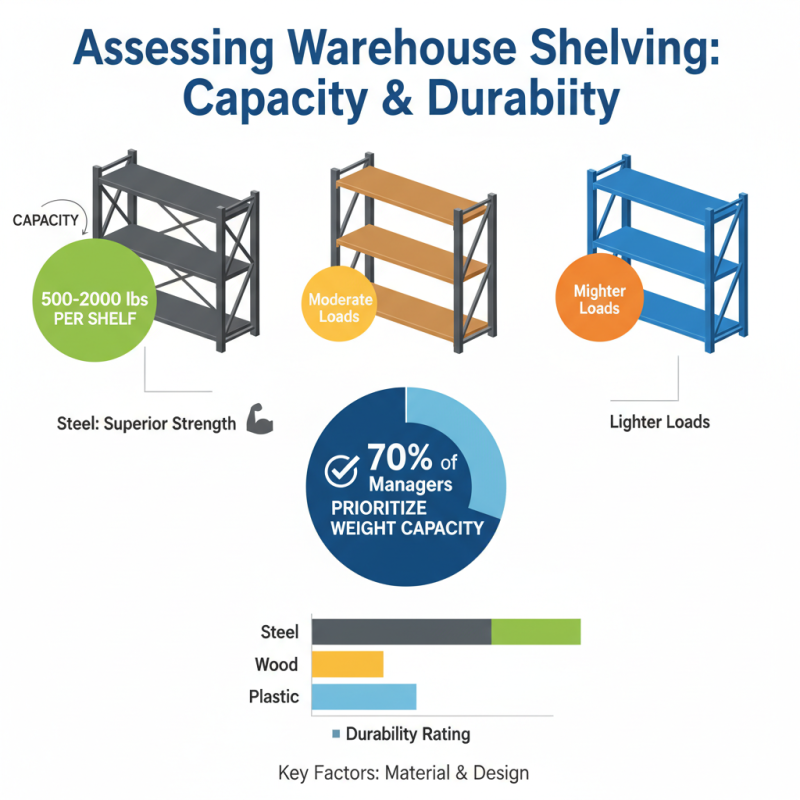
When selecting warehouse shelving, weight capacity and durability are crucial factors. A typical industrial shelving unit can support between 500 to 2,000 pounds per shelf. This variability depends on the material used and the design of the shelving system. Steel shelving often offers superior strength, supporting heavier loads compared to wood or plastic options. According to industry reports, over 70% of warehouse managers prioritize weight capacity when choosing shelving systems.
Durability is another important consideration. Shelving that can withstand harsh industrial environments lasts longer and reduces replacement costs. For instance, steel shelving may show minimal wear compared to wood, which can warp or splinter. A study by the Warehousing Education and Research Council indicates that well-maintained shelving systems can last over a decade. However, it's essential to regularly inspect shelves for damage. Companies frequently overlook this step, impacting safety and efficiency.
It's vital to understand your specific operational needs. Not every warehouse requires high-capacity shelving. Some may only need light-duty racks. Analyzing the types of products stored and their weights can guide your choice. Choosing incorrectly can lead to accidents or inventory loss. Always consult with experts or industry guidelines to ensure you're making informed decisions based on your unique situation.
Considering Space Optimization and Layout Design
When it comes to warehouse management, space optimization is crucial. Research indicates that poor layout design can lead to a 30% loss in storage capacity. Effective shelving solutions must consider the dimensions of the warehouse. Be mindful of ceiling height, aisle width, and shelving depth. These factors play an essential role in maximizing vertical space.
Understand the flow of operations. An efficient layout minimizes travel time. According to industry studies, well-organized storage can enhance picking efficiency by up to 25%. It’s vital to analyze inventory types. Bulk items require different shelving than small parts. Custom layouts tailored to specific needs can significantly improve productivity.
However, planning isn’t infallible. Many warehouses underestimate future growth. A rigid layout can hinder scalability. It’s essential to periodically reassess space usage. Flexibility can lead to better long-term results. Monitor changes in inventory patterns. Adjustments can prevent wasted space and enhance accessibility. The goal is to create a dynamic environment that adapts to changing demands.
Warehouse Shelving Types and Their Space Efficiency