How to Choose the Right Warehouse Racking System for Your Business?
Selecting the right warehouse racking system is crucial for operational efficiency. According to a recent report by the Material Handling Industry of America, effective warehouse racking can improve storage efficiency by up to 50%. That’s a significant increase for any business, large or small. A well-organized racking system enhances inventory management, reducing overstock and misplacement.
Warehouse racking comes in various types, each suitable for different storage needs. For instance, selective pallet racks are popular for their accessibility, while drive-in racks maximize space utilization. However, choosing the right system requires careful consideration of your specific needs. Each option has strengths and weaknesses that should be weighed thoughtfully.
Investing in warehouse racking is not merely about maximizing space. It also involves creating a safer work environment. Inadequate racking systems can lead to accidents and inefficiencies. Businesses must reflect on their current practices. Are they making the most of their space? The decision on which racking system to choose can significantly impact overall productivity and safety.
Understanding Your Storage Needs and Space Constraints
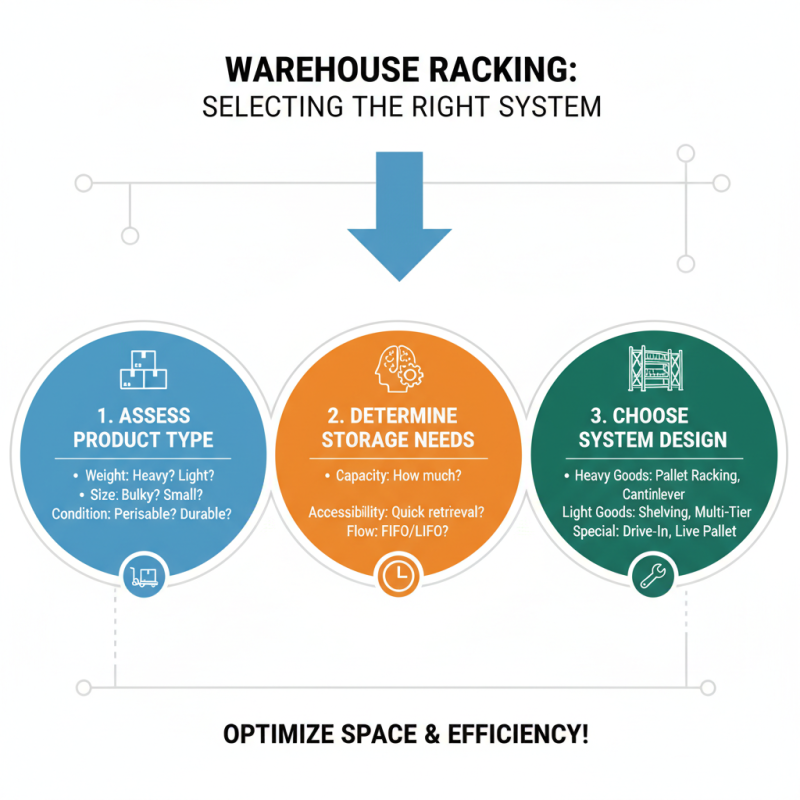
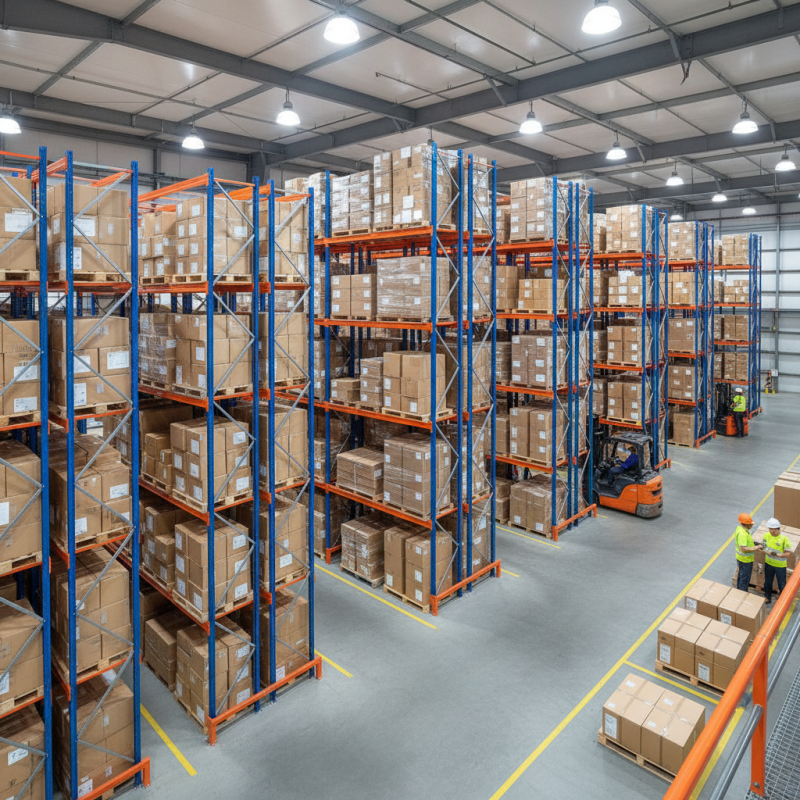
When selecting a warehouse racking system, understanding your storage needs is crucial. Start by assessing the types of products you store. Are they heavy? Bulky? Perishable? This assessment affects the design of your racking system. For example, storing heavy pallets may require a sturdier construction. In contrast, lighter items might allow for a more flexible layout.
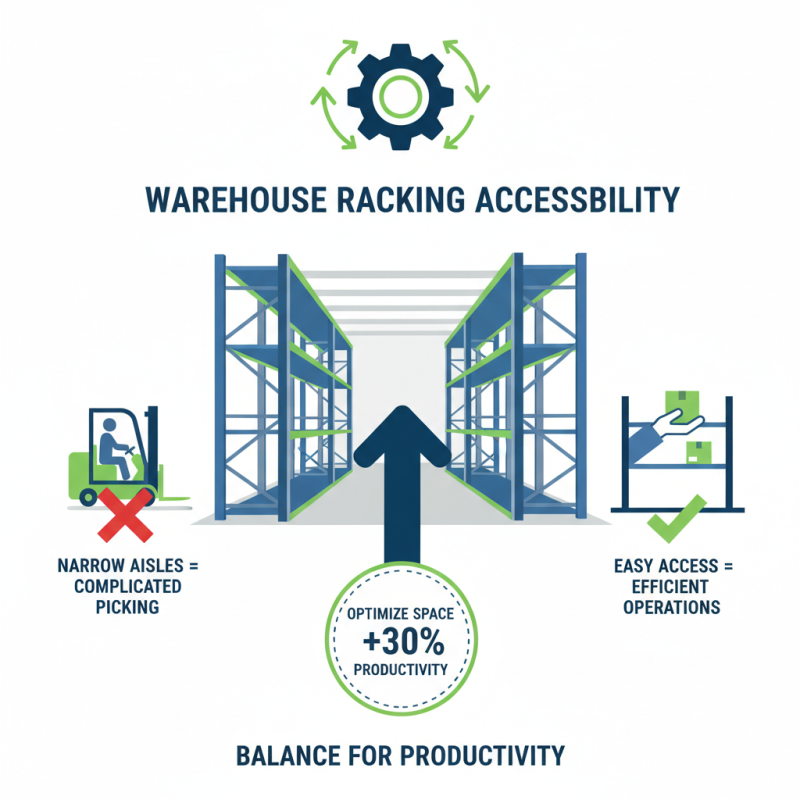
Space constraints are equally important. Measure your available area carefully. High ceilings may enable vertical racking, but narrow aisles can hinder access. Consider flow: will you need to reach items frequently? Racking systems can vary widely in width and height. If you don't plan well, you might end up with wasted space or inefficient workflows. Reflect on your operations. Are you ready to adapt your racking system as your business grows? Flexibility is key, yet many businesses overlook this aspect. Regular evaluations of your storage needs can ensure your racking system evolves with you.
Exploring Different Types of Warehouse Racking Systems
When selecting a warehouse racking system, understanding the various types is essential. One popular option is pallet racking. This system allows for storing goods on pallets. It provides easy access and maximizes vertical space. However, it requires careful consideration of load capacities. Overloading can lead to safety hazards.
Another common type is flow racking. This system uses gravity to move products to picking areas. It's ideal for high-turnover items. Still, not all warehouses have the space for it. Sometimes, the layout complicates installation. Furthermore, choosing the wrong system may result in inefficiencies and wasted space.
Drive-in racking can accommodate large quantities of similar products. It maximizes storage in dense environments. But, this system limits access to items at the back. Inventory management becomes a challenge. Finally, consider your specific needs and operations. Testing different systems in a virtual model could provide insight. Always reflect on how changes affect efficiency and performance.
Evaluating Weight Capacity and Load Requirements
When selecting a warehouse racking system, evaluating weight capacity and load requirements is crucial. Different products have varying weight profiles. For bulk items, choose racks that can support heavy loads. If your products are lightweight, consider using lighter racks. This flexibility optimizes space and efficiency.
Pay attention to load distribution. Uneven loading may lead to rack failure. Test weight capacities when loading products. Are the racks still stable? Consider safety margins. It's wise to have a buffer between maximum capacity and actual weight. This helps prevent accidents.
Don’t overlook potential growth. Your inventory may expand, requiring a rethink of your load requirements. Review your racking system periodically. Have any loads increased? If so, your current setup may need adjustment. Being proactive ensures safety and efficiency in the long run.
How to Choose the Right Warehouse Racking System for Your Business? - Evaluating Weight Capacity and Load Requirements
| Racking System Type |
Weight Capacity per Level (lbs) |
Number of Levels |
Total Weight Capacity (lbs) |
Best Use Case |
| Selective Pallet Racking |
3,000 |
5 |
15,000 |
General storage and easy access |
| Drive-In Racking |
4,000 |
4 |
16,000 |
High-density storage |
| Push Back Racking |
3,500 |
6 |
21,000 |
Efficient product rotation |
| Cantilever Racking |
1,500 |
5 |
7,500 |
Long and bulky items |
| Mobile Racking |
2,500 |
4 |
10,000 |
Maximizing space efficiency |
Assessing Budget and Cost-Effectiveness of Racking Options
When selecting the right warehouse racking system, assessing budget and cost-effectiveness is critical. Start by determining your available budget. Warehouse racking can vary widely in price. Some systems may seem affordable at first glance, but hidden costs can add up. Shipping fees, installation, and maintenance can quickly increase the total expense.
Tips: Always request a full quote. This should include all potential costs. Understand the long-term financial impact of your choice. A cheaper system may not have the durability required, leading to higher replacement costs in the future.
Consider the type of goods you store. High-density storage often saves space but may require a bigger initial investment. On the other hand, traditional shelving may seem inexpensive but can become inefficient. Reflect on how your inventory turns over. This impacts the total cost of your racking solution.
Tips: Analyze your inventory rotation. If items move slowly, invest in racking that offers easier access. If they move quickly, a denser option may be better. Balancing initial costs with long-term efficiency is essential.