How to Choose the Right Pipe Racks for Your Project?
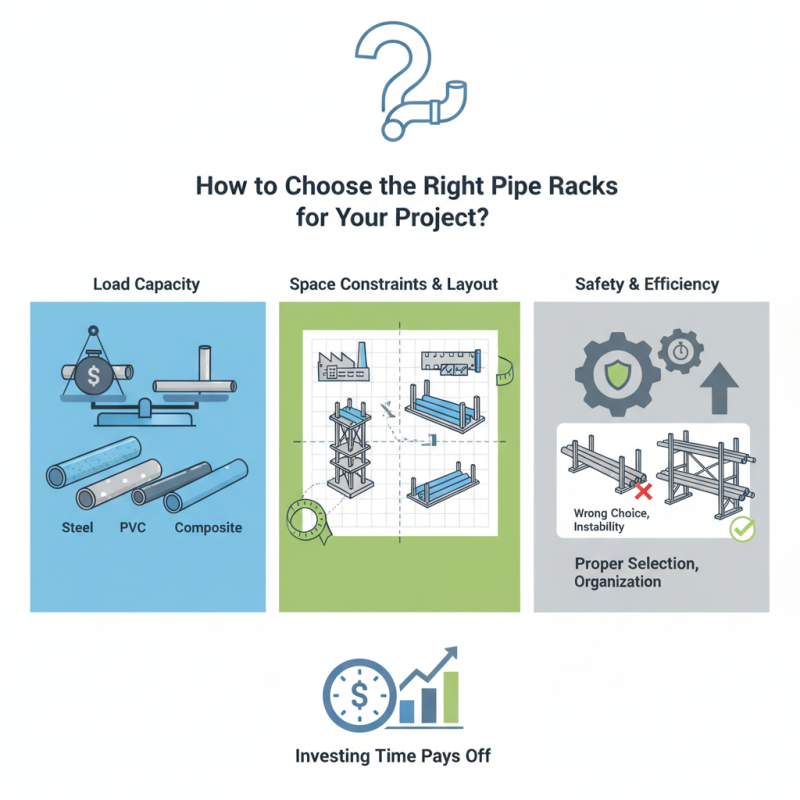
Choosing the right pipe racks for your project can be challenging. Pipe racks come in various designs and materials, each serving a different purpose. Proper selection ensures safety and efficiency in your operations.
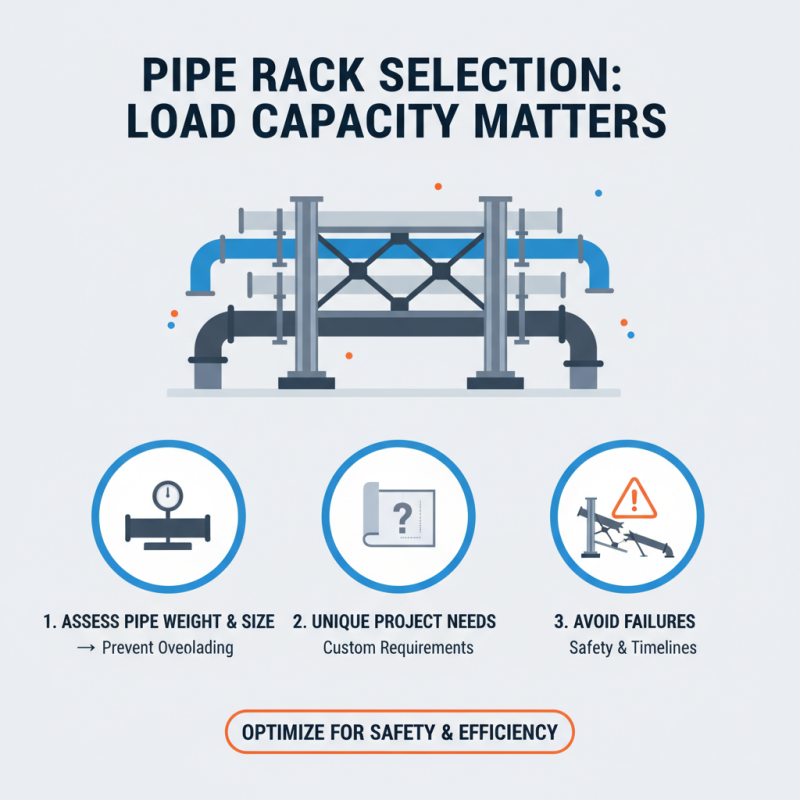
When determining the best pipe racks, consider factors such as load capacity and space constraints. It’s essential to assess your specific needs. The wrong choice can lead to significant problems, like structural instability or inefficient organization.
Visualize your workspace. Where will the racks be placed? How many pipes need support? These are critical questions. A well-thought-out layout minimizes risks. Remember, investing time in selection pays off later, even if it feels overwhelming.
Understanding Different Types of Pipe Racks Available in the Market
When selecting pipe racks, understanding the types available can streamline your project. There are several main categories: fixed, mobile, and cantilever racks. Fixed racks are designed for permanent setups. They often offer high stability for large pipe stock. Mobile racks allow movement, making them versatile for changing job sites. However, they may not support as much weight. Cantilever racks, on the other hand, are ideal for long, cylindrical materials.
According to industry reports, the global demand for pipe storage solutions is expected to grow steadily. In 2022, the market for pipe racks reached approximately $1.2 billion, driven by increasing infrastructure projects worldwide. This growth emphasizes the importance of selecting the right type of rack. A mismatch in rack type and your project's needs can lead to inefficiencies and safety issues. For instance, using a mobile rack on a construction site with heavy winds could result in accidents.
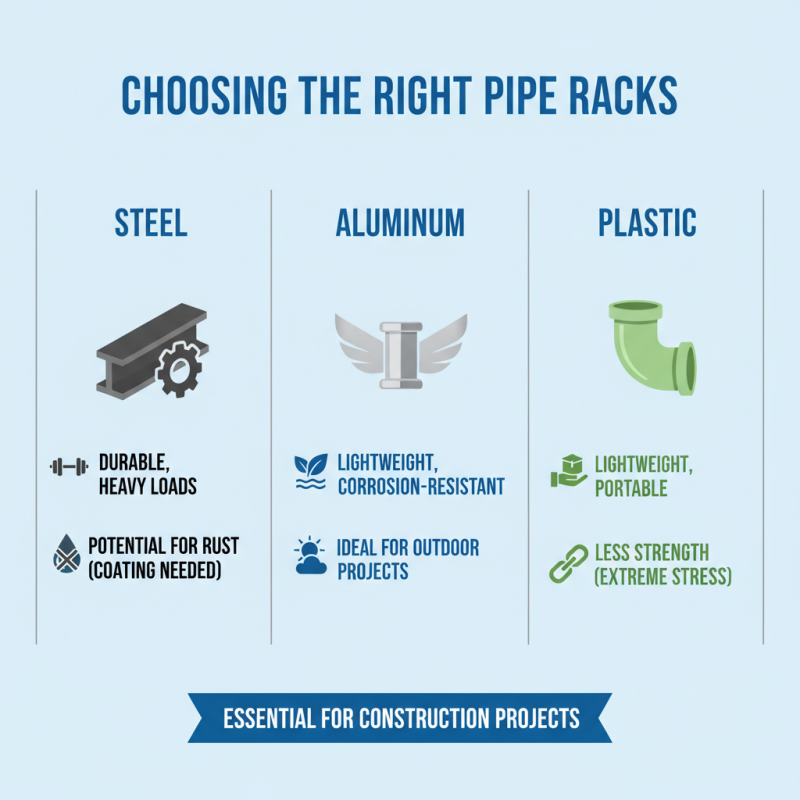
Consider the materials of the racks as well. Steel racks are strong but may rust in certain environments. Aluminum racks are lightweight but can be less durable. Each choice has trade-offs. Understanding your environment and specific needs is crucial to prevent future challenges.
Comparison of Different Types of Pipe Racks for Industrial Use
This chart illustrates the load capacities of various types of pipe racks commonly used in industrial projects, helping you understand which type may be suitable for your specific application.
Materials and Durability: Choosing the Right Pipe Rack for Your Needs
Choosing the right pipe racks is essential for any construction project. The materials and durability of these racks significantly affect their performance. Common materials include steel, aluminum, and plastic. Steel is durable and withstands heavy loads but can rust without proper coating. Aluminum is lightweight and resistant to corrosion, making it ideal for outdoor projects. Plastic offers lightweight portability but may not hold up under extreme stress.
A study by the Construction Industry Institute indicates that over 30% of project delays are linked to equipment failures, including inadequate storage solutions. Selecting the correct material can mitigate these issues. For example, using galvanized steel racks can increase lifespan under harsh environmental conditions. However, it's vital to consider that not all applications require heavy-duty materials. Sometimes, lightweight options can suffice and enhance efficiency. Understanding your project's specific needs is crucial.
In some cases, users overlook maintenance, leading to premature failures. Regular inspections can prevent costly accidents. Additionally, some projects may require unique specifications that standard racks do not meet. Custom solutions might be necessary to avoid compromising safety or functionality. A thoughtful approach to selecting pipe racks can yield significant long-term benefits.
Assessing Space and Layout: Fitting Pipe Racks in Your Project Area
When assessing space and layout for pipe racks, precision is key. You must consider the dimensions of your project area. Measure carefully. Know the height, width, and depth. This information guides you in selecting the appropriate rack size.
Tips: Use a tape measure. Record your findings. Check for obstacles like doors or equipment. Ensure there’s enough space for maintenance. Many forget this essential step.
Understanding how pipes will flow through your space is crucial. Visualize the layout. Are there bends or turns? Will the racks obstruct movement? Make adjustments as needed. This process may seem tedious, but it saves trouble later.
Tips: Draw a simple layout. Sketch where pipes will go. Review this with your team. Get a fresh perspective; it may reveal overlooked issues. Checking angles can prevent future headaches.
Cost Considerations: Budgeting for Pipe Rack Installation and Maintenance
When budgeting for pipe rack installation and maintenance, consider all costs. It’s not just about the initial purchase. Installation, labor, and future maintenance all matter. Unexpected expenses can arise. Planning ahead helps manage these costs effectively.
Tips: Assess your budget thoroughly. Include potential repair costs. Consider seasonal changes that may affect maintenance frequency.
In addition to installation, think about long-term maintenance. Regular inspections can prevent costly repairs. A neglected pipe rack can lead to dangerous situations. It’s essential to allocate funds for ongoing upkeep. This ensures safety and efficiency in your project.
Tips: Set aside a percentage of your total budget for maintenance. Don’t underestimate future costs. A small investment in upkeep saves money in the long run.