2026 Best Metallic Liquid Tight Conduit Types for Buyers
As electrical systems expand through data centers, factories, transport hubs, and renewable-energy sites, conduit selection is becoming a performance decision. The International Energy Agency’s Electricity 2024 report forecasts continued global electricity-demand growth through 2026. That growth places more cables near heat, moisture, vibration, oils, and electromagnetic noise. Protection cannot be an afterthought.
Metallic Liquid Tight Conduit offers a practical balance between mechanical strength and environmental sealing. Its metal core helps resist crushing and impact, while the liquid-tight jacket limits water and chemical intrusion. UL 360 and NFPA 70 provide important benchmarks for listed products and installation practices in North America. IEC 61386-1 also establishes broader conduit-system performance principles. Buyers should verify the applicable standard, rather than trust attractive catalogue language.
The details matter. A poorly matched connector can undermine an otherwise durable system. Excessive bending may damage conductors or reduce pulling efficiency. Stainless steel, galvanized steel, and aluminum each behave differently in corrosive or weight-sensitive environments. MarketsandMarkets and Grand View Research both identify infrastructure modernization and industrial electrification as major electrical-equipment growth drivers. Their market outlooks support careful purchasing, but they do not replace project-specific engineering.
This guide compares the best Metallic Liquid Tight Conduit types for 2026. It considers flexibility, corrosion resistance, temperature range, installation speed, and total ownership cost. No single type wins everywhere. That is the uncomfortable part. A cheaper conduit may become expensive after repeated failures, difficult maintenance, or premature replacement. Field experience, verified testing, and supplier transparency should guide the final choice.
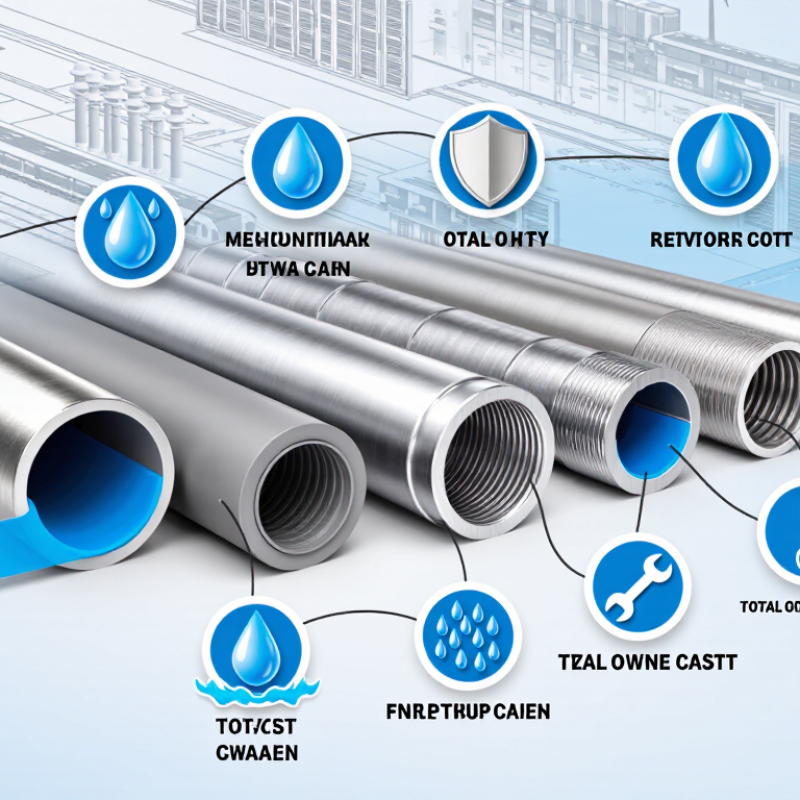
Metallic Liquid Tight Conduit: Definition, Structure, and Core Functions
2026 Best Metallic Liquid Tight Conduit Types for Buyers
Metallic Liquid Tight Conduit: Definition, Structure, and Core Functions
Metallic liquid tight conduit is a flexible metal raceway with a sealed outer jacket. It protects insulated conductors in damp, oily, dusty, or vibration-prone locations. Unlike ordinary flexible conduit, its jacket limits moisture entry around bends and connection points. The metal core also offers mechanical protection against impact and crushing.
Its structure usually includes a spiral-wound steel strip, an internal liner, and a thermoplastic jacket. Some designs include a bonding strip or grounding path within the metal assembly. Liquid-tight fittings compress the jacket and seal the conduit at equipment entries. A properly tightened fitting matters as much as the conduit itself. Small gaps can invite water.
In industrial panels, pumps, rooftop equipment, and machine tools, this conduit absorbs movement while keeping cables organized. Installers should check bend radius, temperature range, jacket compatibility, and fitting size before installation. A conduit that feels strong may still fail under repeated flexing or chemical exposure. Field inspections often find excessive bends near terminals. That mistake increases conductor stress and may shorten service life. Metallic liquid tight conduit is not automatically suitable for every environment. Verify test ratings, installation instructions, and applicable electrical requirements for the project. There is no perfect type; selection depends on the actual hazards present.
Key Types of Metallic Liquid Tight Conduit for 2026 Buyers
2026 Best Metallic Liquid Tight Conduit Types for Buyers
Key Types of Metallic Liquid Tight Conduit for 2026 Buyers
Liquid tight flexible metal conduit, or LFMC, remains a practical choice for wet and mechanically active areas. It uses a flexible metal core with a water-resistant outer jacket. The core may be galvanized steel, stainless steel, or aluminum. Each option changes weight, corrosion resistance, and installation effort.
Galvanized steel suits general industrial installations and provides useful mechanical protection. Stainless steel performs better near salt spray, cleaning chemicals, and persistent moisture. Aluminum reduces handling weight, but buyers should check strength and compatibility carefully.
PVC-coated flexible metal conduit can offer extra surface protection. However, its jacket may crack under severe heat, sharp bending, or repeated movement. That detail is easy to miss.
Tips: Match the conduit to temperature, liquid exposure, vibration, and flex cycles. Confirm the fitting rating, conductor fill, bending radius, and grounding path. Inspect sample assemblies before large purchases. A conduit can look suitable but fail at the connection.
Experienced installers also check jacket thickness and termination quality, not only the conduit label. Poorly tightened fittings can admit water. Excessive bending can damage the internal pathway. Buyers should request current test documentation and verify compliance with applicable electrical standards. The cheapest type is not always the lowest-cost choice. In some projects, I would choose stainless steel; in others, that would be unnecessary spending. Fit beats guesswork.
Installation Requirements, Applications, and Safety Considerations
Metallic liquidtight conduit is mainly selected by exposure, movement, and mechanical risk. LFMC uses a flexible metal core with a liquid-resistant jacket. It suits pumps, rooftop equipment, washdown areas, and vibrating machinery. For lighter indoor applications, flexible metallic conduit may be adequate, but it is not automatically liquidtight. UL 360 covers liquidtight flexible metal conduit, while NFPA 70, Article 350, addresses its installation and use.
Installers should match conduit, fittings, and sealing rings as one system. The connection must resist water entry and preserve equipment grounding continuity. Follow the manufacturer’s minimum bending radius; sharp bends can damage the jacket or restrict conductors. Support the raceway near terminations and at intervals required by the adopted electrical code. Avoid using conduit as a substitute for structural protection. Poor routing remains a common field weakness.
Cable fill, ampacity adjustment, and conductor temperature ratings also require review. Wet locations demand conductors identified for wet environments, not merely a waterproof raceway. NFPA’s Home Structure Fires report estimates that electrical distribution and lighting equipment caused about 32,000 home fires annually during its studied period. That figure supports careful termination and bonding practices, even though industrial installations differ. OSHA electrical safety guidance also emphasizes de-energizing circuits before work and verifying the absence of voltage. In practice, buyers often focus on jacket thickness and overlook fittings. That choice can fail during flooding, vibration, or repeated movement. A documented inspection remains worthwhile.
How to Select the Best Metallic Liquid Tight Conduit Supplier
2026 Best Metallic Liquid Tight Conduit Types for Buyers
How to Select the Best Metallic Liquid Tight Conduit Supplier
Choosing a metallic liquid tight conduit supplier begins with evidence, not catalog language. A 2024 industry market report estimates that construction and industrial projects represent more than half of global conduit demand. That share signals serious volume, but it does not prove quality. Ask for recent test reports, material certificates, and traceable batch numbers. Suppliers should clearly identify steel type, jacket material, temperature range, bend radius, and liquid-tight performance.
Check compliance with relevant requirements, including UL 360, NFPA 70, and IEC 60529 where applicable. NFPA research on electrical distribution equipment repeatedly identifies moisture, damaged insulation, and poor connections as recurring fire contributors. A reliable supplier should explain how its conduit resists water, oil, vibration, and corrosion. Request samples. Bend them by hand, inspect the fittings, and test the seal after installation. Small details matter.
Delivery data matters too. Industry purchasing surveys often show that industrial buyers rank consistent lead times above the lowest initial price. Compare rejection rates, warranty terms, technical response time, and minimum order quantities. A supplier with impressive documents may still fail during urgent maintenance. That is easy to overlook. I would also question unusually cheap stainless-steel conduit; the saving may reflect thinner walls or weaker sealing components. No supplier is perfect, and neither is every published report. Verify claims against your actual environment, installation method, and inspection records.
