2026 Top Industrial Storage Solutions for Global Buyers
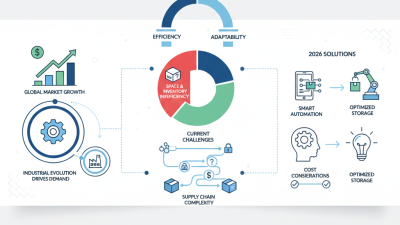
Global buyers are entering 2026 with tighter warehouse budgets, faster fulfillment demands, and less tolerance for wasted floor space. Industrial storage now influences inventory accuracy, worker safety, energy use, and long-term operating costs. The right system must fit the building, product profile, handling equipment, and local working conditions.
This guide examines leading industrial storage solutions for manufacturers, distributors, retailers, and logistics providers worldwide. It considers selective pallet racking, mobile shelving, automated storage and retrieval systems, cantilever racks, mezzanines, and modular bins. Each option serves a different operational reality. Heavy steel coils need very different support from boxed electronics or temperature-sensitive components.
Practical experience shows that capacity alone rarely determines value. A rack may hold more pallets, yet slow picking or restrict emergency access. A highly automated system may improve throughput, but require reliable software, maintenance skills, and stable power. Small details matter. Beam height matters. Floor quality matters. So does aisle width.
Reliable decisions should use verified load ratings, documented installation practices, inspection routines, and supplier support. Regional safety requirements and building conditions also deserve careful review. A solution designed for one market may not transfer perfectly to another. That assumption can become expensive.
No single system wins everywhere. Some recommendations remain difficult to compare because suppliers report performance differently. Buyers should request site measurements, lifecycle estimates, reference projects, and realistic implementation timelines. The strongest 2026 strategy balances density, accessibility, resilience, and human oversight. Mistakes still happen. Good planning simply makes them smaller, safer, and easier to correct.
Industrial Storage Solutions: Definition, Scope, and Core Functions
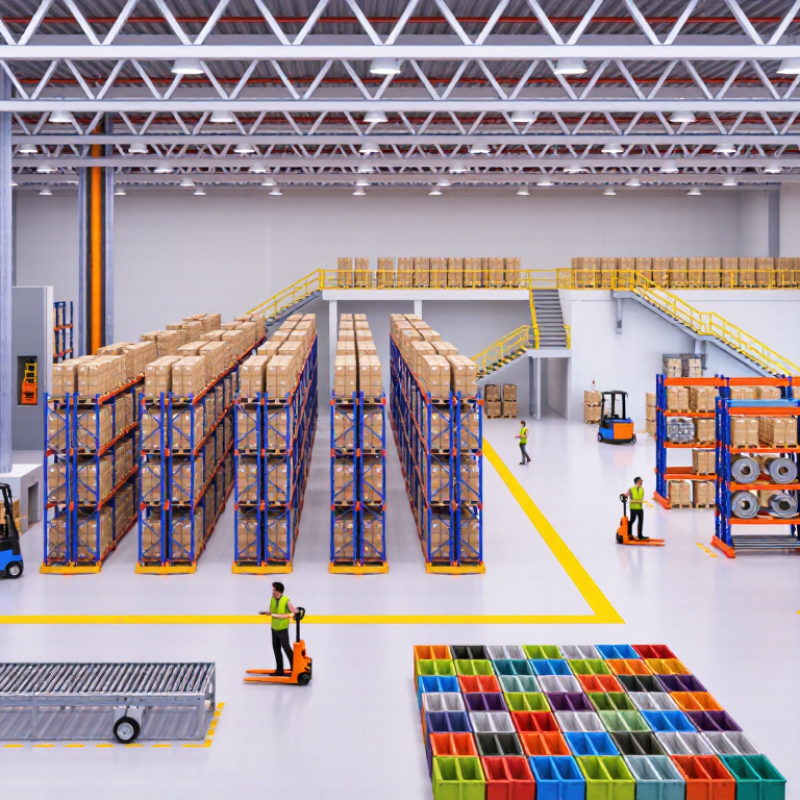
Industrial storage solutions are engineered systems for holding raw materials, components, finished goods, and operating supplies. They include pallet racking, shelving, bins, cabinets, mezzanines, and controlled storage areas. Their scope reaches warehouses, factories, distribution centers, workshops, and service facilities. In 2026, global buyers increasingly assess capacity, safety, adaptability, and lifecycle cost together.
The core function is simple: store materials securely and make them easy to find. A well-planned layout can shorten picking routes and reduce handling damage. Load ratings, aisle widths, floor conditions, and access equipment must match daily operations. Climate control may protect sensitive goods from moisture, heat, or dust. However, storage design is not always perfect. Poor inventory data can weaken even a strong physical system.
Tips: Measure real loads, not estimated loads. Leave space for safe movement and future growth. Label every location clearly. Review damaged pallets, blocked aisles, and unused levels each month. Digital tracking helps, but manual checks still matter. A practical audit should compare drawings with actual conditions. Small mismatches often reveal larger operational risks.
Key Types of Industrial Storage Systems for Global Buyers
2026 Top Industrial Storage Solutions for Global Buyers
Key Types of Industrial Storage Systems for Global Buyers
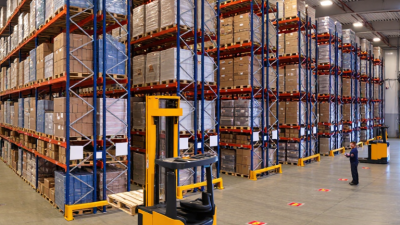
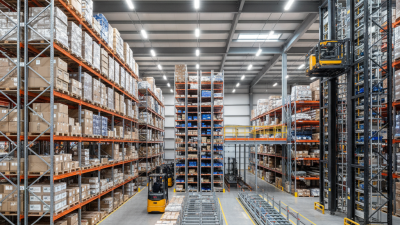
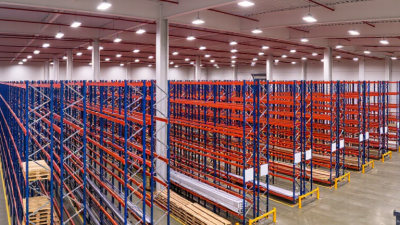
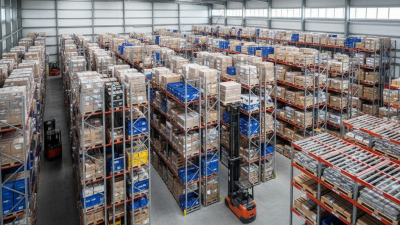
Industrial storage begins with the product, not the catalog. Pallet racking suits standard cartons, drums, and palletized goods. Adjustable beams support changing load sizes and improve warehouse flexibility. Clear labels and visible load ratings reduce picking mistakes. In active facilities, forklift aisle width matters as much as rack capacity.
Long or irregular products need cantilever racking. Steel tubes, timber, panels, and fabricated parts remain accessible from both sides. Shelving systems work well for smaller components and maintenance stock. Mobile shelving can increase floor capacity, but it requires careful floor checks and disciplined access control. Mezzanine platforms add usable space without expanding the building footprint.
Space matters greatly.
High-volume operations may choose automated storage and retrieval systems. These systems improve inventory accuracy and reduce repetitive travel. However, automation is not automatically the best answer. Software downtime, maintenance skills, and power quality can affect performance. Manual backup procedures should remain available. This point is often underestimated.
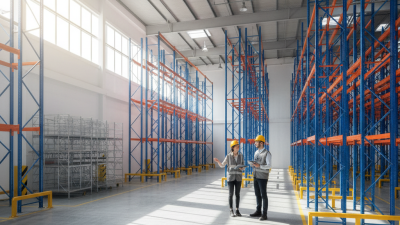
Global buyers should verify local requirements for fire protection, seismic conditions, worker access, and structural anchoring. Request certified load calculations, material specifications, inspection records, and installation guidance. Humid or coastal sites may need stronger corrosion protection. A practical site survey should measure floor flatness, ceiling height, traffic flow, and emergency routes. Some plans look efficient on paper but create unsafe bottlenecks during real shifts.
How to Evaluate Capacity, Materials, Safety, and Accessibility
2026 Top Industrial Storage Solutions for Global Buyers
Evaluating industrial storage starts with usable capacity, not the catalog’s total volume. Measure pallet dimensions, load weights, aisle widths, ceiling height, and future demand. The MHI 2024 Annual Industry Report found that 55% of supply chain leaders planned to increase technology investment. Capacity planning should therefore include scanners, sensors, and warehouse software. A dense layout may look efficient, but poor access can create hidden handling costs.
Material selection must match the environment. Galvanized steel suits humid areas, while coated steel may resist specific chemicals better. Confirm load ratings through engineering documents, not sales estimates. OSHA reports that forklifts cause about 85 workplace deaths and 34,900 serious injuries annually in the United States. Guardrails, rack protectors, visible labels, and scheduled inspections are practical controls. Local fire codes, seismic requirements, and worker-safety rules still need verification. Global standards are not perfectly interchangeable.
Tips: Test one loaded bay before full deployment. Mark pedestrian routes with floor lines. Keep emergency exits visibly clear. Ask suppliers for test methods, maintenance intervals, and replacement-part availability. A perfect layout rarely survives real operations. In my experience, teams often overestimate vertical space and underestimate retrieval time. Recheck both assumptions using a short pilot, preferably during the busiest shift.
Global Purchasing Factors: Standards, Costs, Suppliers, and Delivery
2026 Top Industrial Storage Solutions for Global Buyers
Global buyers should treat standards as a purchasing filter, not a final inspection task.
Steel storage systems should match ISO 9001 quality processes and ISO 45001 safety controls. EN 15635 also provides practical guidance for installing and maintaining steel storage equipment. Local seismic, fire, and worker-protection rules still apply. They can change the design.
Cost comparisons need more than unit prices.
A cheaper rack may require stronger flooring, extra handling equipment, or replacement parts. The World Bank’s Logistics Performance Index 2023 evaluates customs, infrastructure, logistics competence, tracking, and timeliness. These factors influence the real landed cost of storage equipment. Delivery reliability matters.
The UNCTAD Review of Maritime Transport 2024 reported that seaborne trade grew by 2.4% in 2023.
Capacity pressure can affect freight rates and arrival schedules. Buyers should request production milestones, packing dimensions, inspection records, and a clear spare-parts plan. A supplier audit should check weld quality, load testing, coating thickness, and traceability. Photographs help, but they are not proof. That assumption needs questioning.
Some purchasing teams still compare suppliers only by quotation totals. This is a weak habit.
A better evaluation includes five-year maintenance costs, installation skills, customs documents, and damage risk during inland delivery. Experienced buyers also allow schedule space for port delays and design revisions. Perfect forecasts are rare.