Best Warehouse Storage Racks for Efficient Space Utilization?
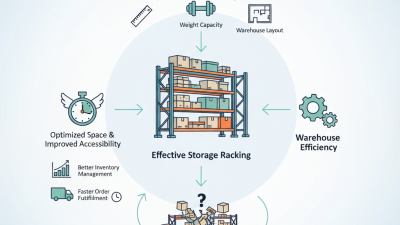
In today’s fast-paced logistics environment, efficient space utilization is crucial. Warehouse storage racks are essential tools for maximizing storage capacity and improving operations. According to industry reports, businesses can increase warehouse efficiency by up to 30% through effective rack systems. Properly designed racks help organize inventory, streamline access, and reduce retrieval time.
However, not all warehouse storage racks are created equal. Many facilities struggle with poorly designed systems that fail to optimize space. A study found that 25% of warehouses underutilize their storage capacity due to inadequate rack solutions. This can lead to increased operational costs and wasted resources.
Investing in high-quality, adjustable racks can significantly enhance space management. Features like vertical storage and modular designs allow for adaptability to changing inventory needs. Nonetheless, it’s vital to evaluate options carefully, considering factors like durability and load capacity. As the logistics sector continues to evolve, so must our approach to warehouse storage racks.

Best Warehouse Storage Racks for Maximizing Vertical Space Utilization
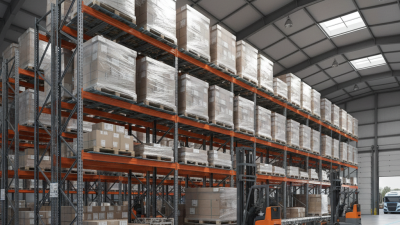
Maximizing vertical space in a warehouse is crucial. By using high-quality storage racks, businesses can utilize every inch effectively. Tall shelving units enable warehouses to store more items without increasing their footprint. This can dramatically enhance storage capacity, especially in smaller facilities.
Choosing the right type of rack is essential. Select racks that can hold heavy weights and withstand everyday wear and tear. It’s important to assess your inventory regularly. Some items may not turn over quickly, taking up valuable space. Rotate stock and consider seasonal needs to ensure optimal usage.
However, not all racks fit all products. Compatibility is key. Some items may require climate control or specific shelf heights. Also, safety is a concern. Ensure that racks are properly anchored to prevent tipping. This balance between space utilization and safety might require adjustments over time. Regular maintenance checks can uncover potential issues before they become problems.
Comparative Analysis of Selective Racks and Drive-In Racks in Warehousing
Choosing the right type of warehouse storage rack is crucial for maximizing space efficiency. Selective racks offer easy access to individual pallets. They are versatile and widely used in various industries. However, these racks may not utilize vertical space effectively. Drive-in racks, on the other hand, allow for denser storage. They use a last-in, first-out (LIFO) system, which is great for high-volume goods. But, accessing specific items can be challenging in this setup.
When deciding between these options, consider your inventory turnover. If products move quickly, selective racks are ideal. For slow-moving items, drive-in racks can save space. Evaluate aisle width as well. Narrow aisles can benefit from drive-in racks but may complicate movement. Balancing accessibility and capacity is key.
Maximizing space requires thoughtful organization. Implement a clear labeling system to streamline picking. Regularly review your storage needs. This will help you adapt as your inventory changes. Investing in employee training for handling racks can also enhance safety. This is often overlooked but essential for efficient operations.
Impact of Rack Configuration on Inventory Accessibility and Efficiency
Effective rack configuration can significantly enhance inventory accessibility and efficiency in warehouses. A well-structured racking system ensures that products are organized and easily reachable. By optimizing vertical and horizontal space, businesses can store more items without overcrowding. This arrangement not only streamlines picking processes but also reduces the time employees spend searching for products.
Proper planning plays a crucial role in achieving this efficiency. Consider using various rack types based on item sizes and weights. For instance, heavy items can benefit from pallet racking, while smaller items may require shelving units. Always assess the flow of movement within the warehouse. Clear pathways can improve accessibility, making it easier for staff to maneuver between aisles. A disorganized layout can lead to frustration and lost time.
To further enhance efficiency, ensure proper labeling and signage throughout the racking system. Clear markings help staff quickly locate items, minimizing delays during order fulfillment. Regularly review and adjust the layout as inventory changes. Flexibility allows for continuous improvement, ensuring that the storage system adapts to new demands. Embrace a culture of feedback among employees to assess what works and what doesn’t, fostering a more efficient workspace.
Best Warehouse Storage Racks for Efficient Space Utilization
| Rack Type |
Max Load Capacity (lbs) |
Dimensions (L x W x H) |
Adjustment Features |
Recommended Aisle Width (ft) |
| Selective Rack |
3,000 |
48" x 36" x 96" |
Height Adjustable |
10 |
| Push Back Rack |
2,500 |
42" x 48" x 96" |
Variable Depth |
8 |
| Drive-In Rack |
5,000 |
48" x 48" x 144" |
Multi-Level Configurable |
12 |
| Cantilever Rack |
4,500 |
60" x 36" x 96" |
Arms Adjustable |
10 |
| Pallet Rack |
3,500 |
42" x 48" x 96" |
Height & Depth Adjustable |
10 |
Key Industry Standards for Safety and Compliance in Storage Racks
When it comes to warehouse storage racks, safety and compliance are paramount. Many factors contribute to industry standards, ensuring that storage solutions are both effective and secure. Design choices should prioritize load capacity and stability. Using racks that meet or exceed these specifications can prevent accidents and damage to goods.
Regular inspections are crucial for maintaining compliance. Visual checks can reveal signs of wear or degradation. Employees should be trained to identify potential hazards, enhancing overall safety. It’s essential to stay updated on local regulations, as they may evolve over time. Ignoring compliance standards can lead to costly penalties and safety incidents.
Implementing guidelines also involves assessing how racks interact with the warehouse layout. Poorly planned configurations can create congestion or limit access to inventory. Despite best efforts, unforeseen challenges may arise. A continuous improvement mindset is necessary for optimizing space utilization while adhering to safety protocols. An ongoing assessment of both equipment and environment fosters a safer workspace.
Emerging Technologies in Warehouse Rack Systems for Future Growth
Emerging technologies in warehouse rack systems are transforming how we utilize space. According to a report by the Warehousing Education and Research Council, up to 30% of warehouse space goes underutilized. The integration of automated storage and retrieval systems (AS/RS) has shown to significantly increase efficiency. These systems reduce time spent on manual handling and enhance inventory accuracy.
Incorporating IoT sensors into storage racks is another breakthrough. Sensors monitor inventory levels in real-time, making management more responsive. Research suggests that this technology can improve stock turnover rates by up to 20%. However, many warehouses struggle with implementation. Workers may feel uncertain about operating new technologies, indicating a need for adequate training programs.
Moreover, adjustable and modular rack systems are gaining traction. These designs allow for flexibility in storage configurations. Industry reports highlight that adaptable solutions can lead to a 15% increase in space efficiency. Yet, organizations often face challenges in forecasting future space requirements. This gap highlights the necessity for ongoing assessment and refinement of storage strategies. As technologies evolve, so must our approach to warehouse storage.