2026 How to Choose the Best Pallet Racking System for Your Business?
Selecting the right pallet racking system is crucial for operational efficiency. According to the Material Handling Institute, the right racking can enhance space utilization by 50% or more. This means that businesses can store more products without expanding their facilities. A well-chosen system reduces retrieval times and improves order accuracy. Poor choices, however, can lead to increased costs and safety hazards.
Different industries have unique needs. For instance, the cold storage sector often requires specific pallet rack designs to withstand low temperatures. The Warehousing Education and Research Council states that 25% of warehouse injuries are linked to improper racking systems. These statistics highlight the importance of making informed decisions.
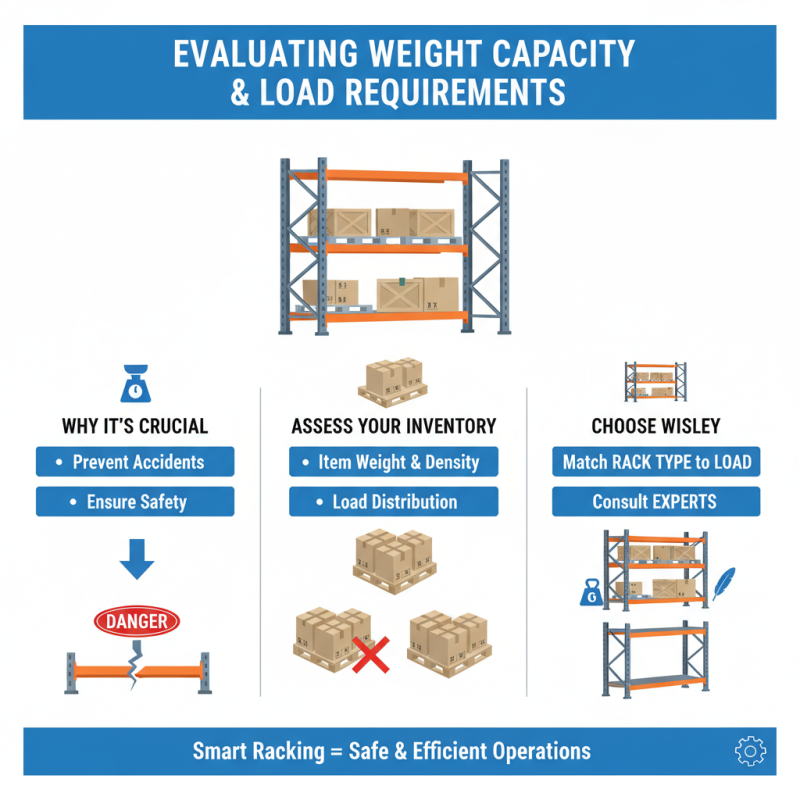
When considering a pallet racking system, businesses must evaluate their specific workloads and inventory types. Factors like load capacity, warehouse design, and future scalability can influence the decision. A systematic approach will ensure the chosen system meets current and future demands. Ignoring these factors may lead to inefficiencies and increased operational risks.
Understanding the Different Types of Pallet Racking Systems
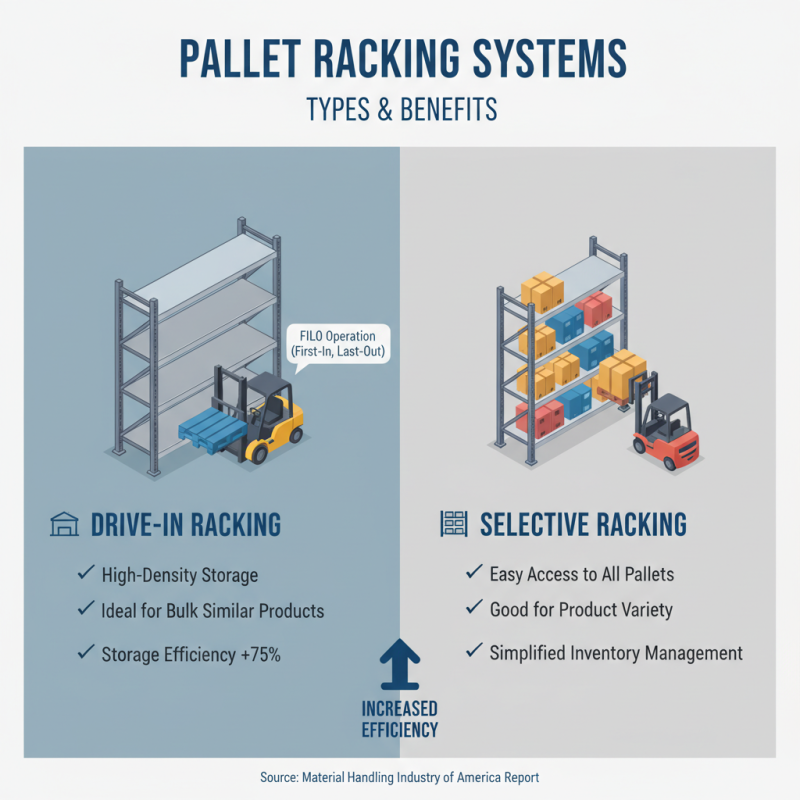
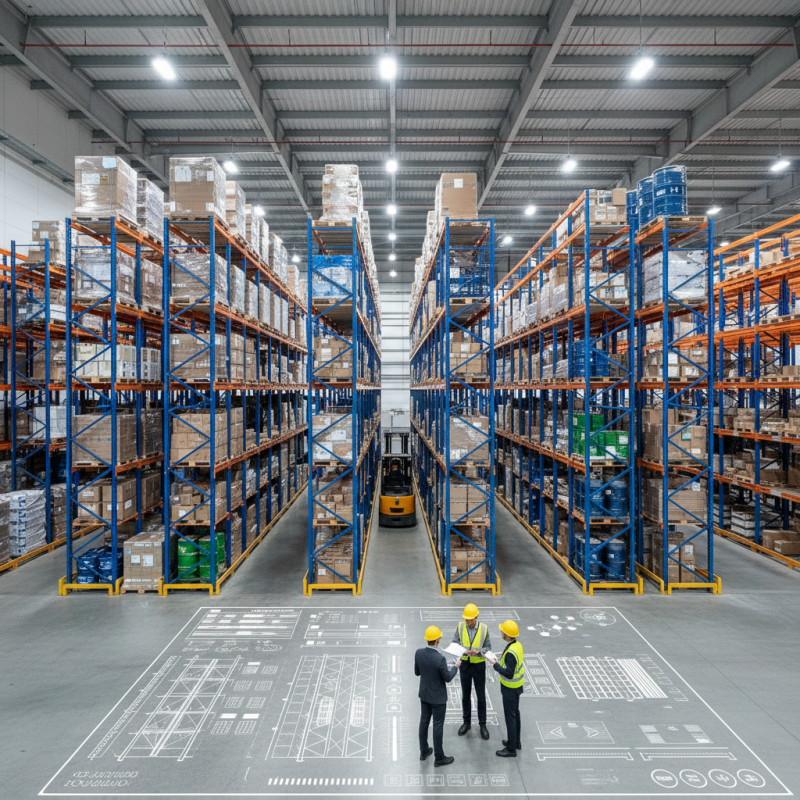
When selecting a pallet racking system, understanding the various types available is essential. Drive-in racks allow high-density storage, which makes them ideal for warehouses with a large volume of similar products. According to a report from the Material Handling Industry of America, these systems can increase storage efficiency by up to 75% compared to traditional shelving. However, they may complicate inventory management due to the need for first-in, last-out (FILO) operations.
Another popular type is the selective pallet rack. This system offers direct access to each pallet. While it might not maximize storage space as efficiently, it significantly improves inventory tracking. Studies indicate that up to 30% of downtime in warehouses is due to inefficient retrieval systems. Thus, the selective rack's ease of use can lead to reduced labor costs and better workflow.
Considerations also extend to your specific needs. Not every type is suitable for every business. For instance, if your operation requires frequent stock rotation, a push-back racking system could be a viable option. Evaluating your inventory turnover rate and the types of products stored will guide you in making an informed choice. By aligning your business needs with the right racking system, you can improve efficiency and safety in your operation.
Assessing Your Storage Needs and Space Availability
Assessing your storage needs is crucial when selecting a pallet racking system. Start by calculating your inventory volume. Identify the types of products you store. Consider their dimensions and weight. This information provides a foundation for selecting the right racking type.
Tips: Measure your available space accurately. Consider not just height and width but also access points. Think about the flow of goods in and out of your storage area. Plan for future inventory changes.
Also, analyze your business's growth potential. A system that fits today may not suit future needs. Flexibility is essential. Sometimes, investing in a modular system is a wise choice. It allows adjustment as your needs evolve. Don't overlook safety regulations, too. Compliance can save costs in the long run.
2026 How to Choose the Best Pallet Racking System for Your Business? - Assessing Your Storage Needs and Space Availability
| Type of Pallet Racking |
Load Capacity (lbs) |
Height (ft) |
Width (ft) |
Depth (ft) |
Ideal Use Case |
| Selective Racking |
2,500 |
20 |
8 |
4 |
General warehousing |
| Drive-In Racking |
3,500 |
25 |
10 |
5 |
High-density storage |
| Push Back Racking |
4,000 |
22 |
8 |
6 |
FIFO storage |
| Cantilever Racking |
5,000 |
15 |
8 |
3 |
Long items like lumber |
| Mobile Racking |
3,000 |
18 |
7 |
5 |
Maximizing space |
Considering Accessibility and Warehouse Workflow
Choosing the right pallet racking system is essential for optimizing your warehouse workflow. Accessibility plays a crucial role in this decision-making process. A well-designed racking system allows for easy access to goods, reducing retrieval time and improving efficiency. Think about the flow of your warehouse. Is it logical? Are pathways clear? These factors can significantly impact daily operations.
Consider the types of products you handle. If you have diverse inventory items, adjustable shelving might be advantageous. Some systems permit different racking heights, useful for varying package sizes. However, keep in mind that not all solutions fit all needs. Pallet racking can sometimes restrict maneuverability, especially in tight spaces. Analyze how your staff interacts with the system. Are they comfortable? Is it intuitive? These questions matter.
Mistakes happen. Perhaps you’ve invested in a system that looked optimal on paper, but its accessibility proved limiting. Reflect on those choices. Observing your workflow post-installation may reveal gaps. Workers might find navigating the aisles tricky. Address these concerns early. The right balance between accessibility and function could save time and effort.
Warehouse Racking System: Accessibility vs. Workflow Efficiency
Analyzing Cost Factors and Budget Constraints
Choosing a pallet racking system involves critical cost factors. Understanding these can help manage your budget effectively. Begin by assessing your space requirements. Determine how much inventory you need to store. The layout of your warehouse impacts the type of racking suitable for your business. If space is tight, consider more vertical options.
Material costs also play a significant role. Steel racking might be more expensive upfront. However, it offers durability and longevity. Cheaper options may require more frequent replacements. Assess the total cost of ownership over time. Staff training is another factor. New systems can need training. Consider the potential downtime during implementation. Expert advice can guide you, ensuring you make informed decisions.
Variable costs can arise from maintenance. Often overlooked, this can strain budgets over time. Regular inspections to comply with safety regulations are necessary. These could add unexpected costs. Evaluate your current and future needs. Flexibility in your racking choice is essential. It allows your system to evolve with your business. Making informed choices helps ensure long-term success.