How to Choose the Best Industrial Metal Shelving for Your Needs?
Choosing the right industrial metal shelving can be daunting. With so many options available, it's essential to consider your specific needs. Industry expert John Anderson, a recognized leader in warehouse solutions, once said, "Selecting the right shelving is crucial for optimizing space and efficiency." This highlights the importance of making an informed choice.
Industrial metal shelving is ideal for robust storage. These units are designed to withstand heavy loads and offer superior durability. When exploring options, pay attention to dimensions, weight capacity, and material quality. A poor choice in shelving can lead to product damage or inefficient space usage.
Reflect on your storage requirements. Do you need adjustable shelves or fixed units? Consider how often you'll access items. Each detail impacts your decision. Remember, industrial metal shelving not only organizes your space, it can also enhance workflow. Prioritizing long-term reliability can save money over time, yet finding the perfect fit may take some trial and error.
Understanding the Different Types of Industrial Metal Shelving
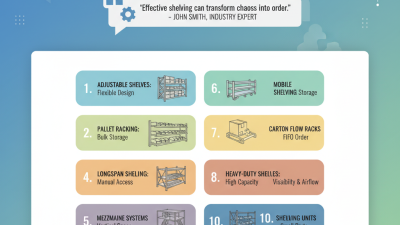
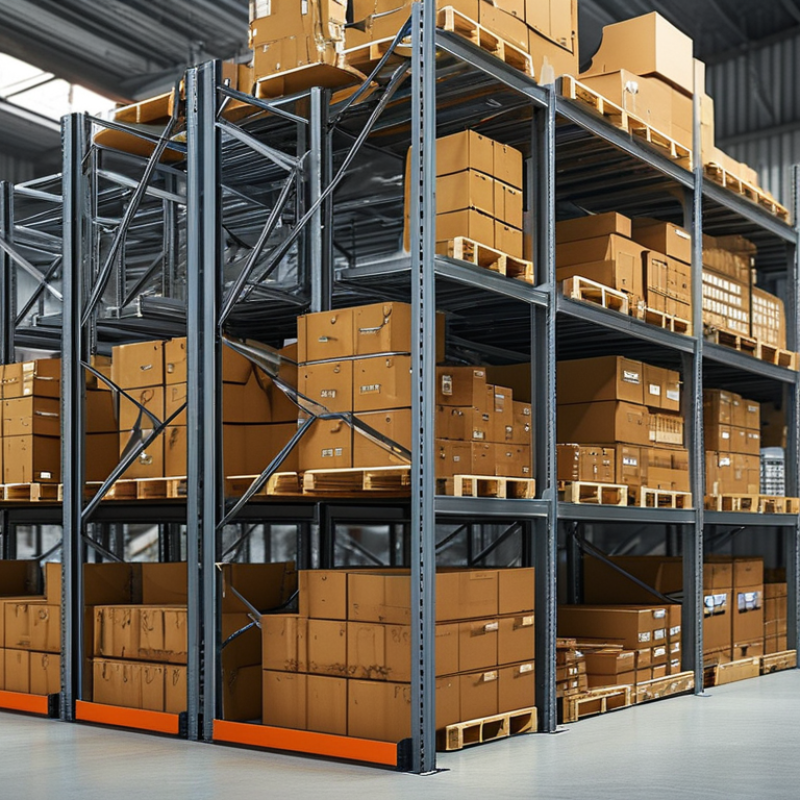
When selecting industrial metal shelving, understanding its various types is essential. Shelving systems come in basic designs. For heavy-duty storage, boltless shelving is ideal. It allows quick assembly without tools and can hold substantial weight. Some businesses find this option reliable for bulky items.
Another popular type is mobile shelving. This system maximizes floor space by allowing aisles to be closed when not in use. It is beneficial for warehouses with limited space. Users enjoy the flexibility and efficiency it provides. It does require a bit of planning to install and may need regular maintenance.
Utilizing modular shelving can cater to specific needs as well. These units offer customizable configurations. Customers appreciate the adaptability and scalability, but it requires accurate measurements. Regular inspections are crucial to ensure safety and durability. Each shelving type has unique features and challenges. Taking time to assess your needs will lead to better choices.
Assessing Your Storage Needs: Weight Capacity and Size Considerations
When considering industrial metal shelving, understanding your storage needs is crucial. Evaluating weight capacity is a primary step. Different materials can hold various weights. Generally, steel shelves provide a higher capacity than others. If you're storing heavy bags of cement or large tools, ensure the shelf can support the weight without sagging. This evaluation prevents damage and ensures safety.
Size is another critical factor. Measure your space thoroughly. Think about the height, width, and depth of the shelving unit. Compact spaces may require vertical shelves to maximize storage. On the other hand, wider shelves may need more surface area for larger items. A mismatch can lead to ineffective organization, which can frustrate your operational workflow. Each inch of space counts in an industrial setting, so be precise.
Reflect on your current storage method. Are you constantly rearranging items? This could indicate inadequate shelving. Choosing the right shelves should eliminate such issues. Don't rush this decision. Evaluating your specific needs will lead to choices that enhance efficiency and organization. Being thoughtful about your selections now can save time and hassle later.
Evaluating Material Quality: Steel vs. Aluminum Shelving Options
When considering industrial metal shelving, material quality plays a crucial role. Steel and aluminum are the two primary options available. Steel shelving is renowned for its strength and durability, making it an excellent choice for heavy-duty applications. According to industry reports, steel can withstand up to 2,000 pounds per shelf, which is ideal for warehouses and manufacturing settings where heavy items are stored. However, steel can be prone to rust if not treated properly, which may require additional maintenance.
On the other hand, aluminum shelving offers significant advantages in terms of lightweight properties and resistance to corrosion. With a weight threshold of around 1,200 pounds per shelf, it’s suitable for environments like laboratories or food processing units, where hygiene is paramount. The aluminum’s natural resistance to corrosion can save on replacement costs and maintenance demands over time. However, it may not be the best choice for extremely heavy loads.
When choosing between steel and aluminum, think about the environment where the shelves will be used. If moisture is a concern, aluminum could be preferable. Assess your storage requirements carefully. Evaluate weight capacities and environmental conditions. These factors will help ensure the shelving you choose meets your needs efficiently.
Exploring Design Features: Adjustable Shelves and Accessibility
When selecting industrial metal shelving, adjustable shelves are crucial. They cater to diverse storage needs. According to a recent industry report, 75% of companies benefit from adjustable shelving systems. This flexibility allows easy customization for various items, promoting efficiency. For example, a warehouse can transition from storing small tools to larger boxes swiftly.
Accessibility is another design feature that enhances functionality. Shelving that is easy to reach reduces employee strain. A study highlighted that ergonomically designed storage solutions decrease workplace injuries by 30%. This aspect cannot be overlooked; environments that prioritize employee health see a marked increase in productivity.
Consider specific applications when choosing shelving. Some industries favor narrow shelves to maximize available space. Others require wider shelves for bulky equipment. The choice impacts workflow and storage capacity. Reflect on your unique requirements carefully, as it may lead to improved operations and cost savings in the long run.
Considering Budget and Brand Reliability in Your Purchase Decision
When selecting industrial metal shelving, budget and brand reliability are crucial aspects to consider. A well-defined budget helps narrow your options without overspending. Metal shelving units can vary significantly in price. Quality often correlates with cost, so invest wisely. Understanding your budget enables you to focus on the features that matter most to you.
Brand reliability plays a pivotal role in your decision-making. Established brands typically offer better customer support and warranty options. It's essential to research brands thoroughly. Look for customer reviews and ratings. A reliable brand enhances your confidence in the product's longevity. Choosing a lesser-known brand may save money initially, but it can lead to frustration later.
Consider these practical aspects when making your purchase. Think about the weight capacity you'll need. Factor in the space you have available. Quality materials should withstand regular use. Be cautious about overly cheap options, which might compromise on strength and durability. Trust your instincts and take time assessing all aspects before finalizing your choice.