How to Choose the Best Industrial Storage Solutions?
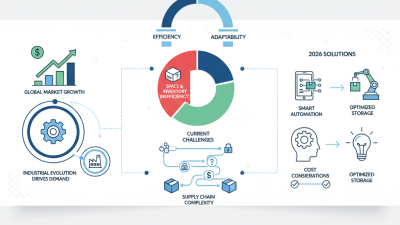
When considering industrial storage solutions, choosing the right system can seem overwhelming. Many factors come into play. Understanding your specific needs is crucial. An efficient industrial storage system enhances workspace organization and productivity. It can significantly impact your operations and bottom line.
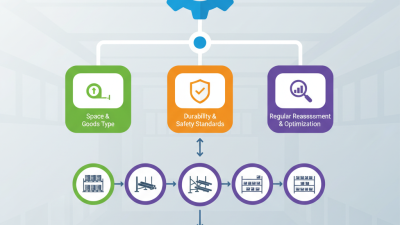
Various options exist, from shelving units to pallet racks. Each type serves different purposes and industries. Evaluating your space and inventory is essential before making a decision. Take time to analyze the flow of goods in your workspace. A common oversight is not adjusting for growth and changing needs. Flexibility in your industrial storage design can save time and money in the long run.
Investing in expert guidance can alleviate uncertainties. Reach out to professionals with experience in industrial storage solutions. Their insights can help tailor systems to meet your unique requirements. Remember, the best solution may not be the most expensive one. Aim for a balance between cost-effectiveness and functionality. Thoughtful planning now can lead to smoother operations down the line.
Understanding the Types of Industrial Storage Solutions Available
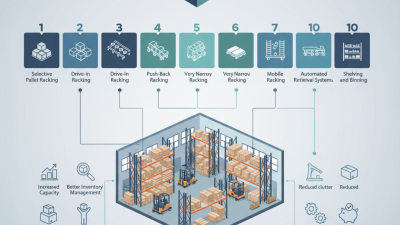
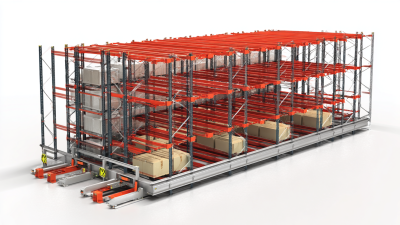
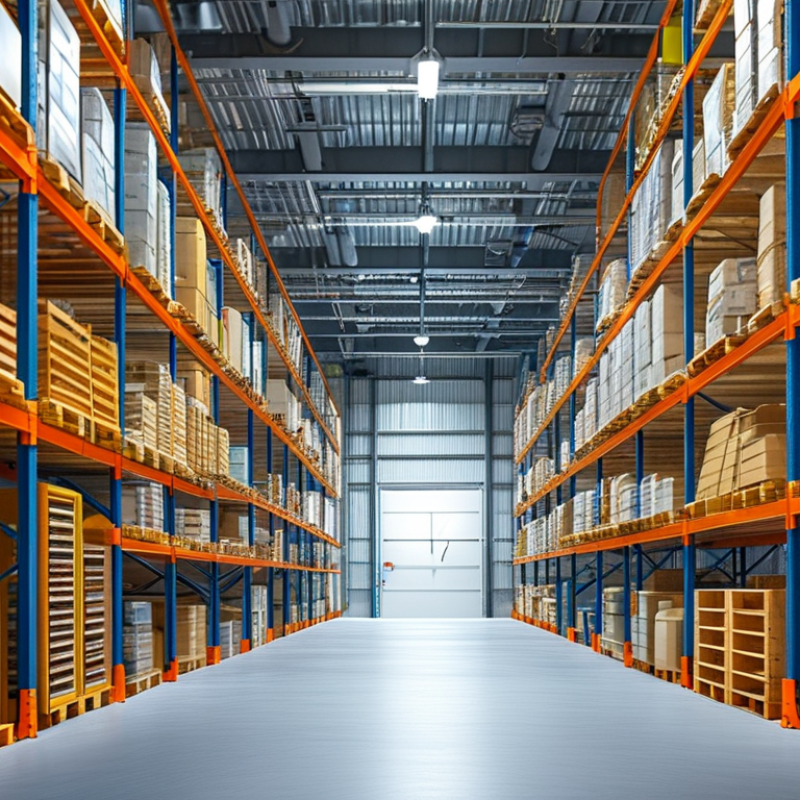
When selecting industrial storage solutions, understanding the types available is crucial. Various options cater to different needs and industries. For instance, pallet racking systems are widely used for their efficiency. According to a report by IndustryWeek, about 70% of warehouses utilize some form of pallet racking. This system allows for the easy organization and retrieval of goods.
Another common solution is shelving units. They are versatile and adaptable. Heavy-duty shelving can support substantial weight, making it ideal for tools and equipment. The material of these shelves, usually steel, ensures durability. In contrast, plastic shelving is lightweight but may not be suitable for all items. Various industries report challenges in maximizing vertical space, which adds complexity to choosing the right shelving.
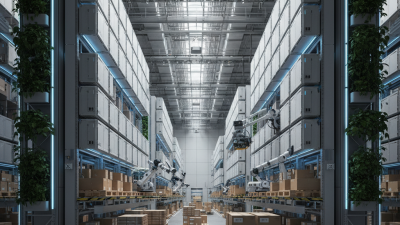
Finally, vertical storage systems stand out for optimization. They utilize height effectively, minimizing floor space usage. Organizations can increase storage by 50% through efficient vertical solutions. However, integrating such systems often requires careful planning. Companies might face initial costs, which raises concerns about long-term benefits. Balancing expenses and function remains a key reflection point in the decision-making process.
Industrial Storage Solutions Comparison
Evaluating Storage Space Requirements and Capacity Needs
Evaluating storage space requirements is crucial for any industrial facility. A precise assessment helps in choosing the right storage solutions for your needs. Begin by measuring your available space. Consider both floor and vertical areas. High ceilings? Utilize vertical storage options. Limited floor space? Mobile storage can be a game changer.
Next, determine your capacity needs. Evaluate the types of materials you store. Heavy items need robust shelving. Bulky goods may require wider aisles for safety. Don’t forget about future needs. Anticipate growth in your industry. This foresight can prevent costly upgrades later.
Think about organization systems as well. Clear labeling and categorization improve efficiency. Consider flow in your storage layout. Is it intuitive? A poor layout can lead to wasted time and frustration. Balancing efficiency and accessibility is key to a successful storage solution.
Analyzing Material Handling Systems for Optimal Efficiency
When analyzing material handling systems, efficiency takes center stage. Every detail contributes to optimal performance.
For instance, the layout of storage units greatly impacts workflow. A well-planned layout minimizes travel time and enhances safety. Workers can access goods quickly,
reducing downtime.
Consider the type of materials you handle. Heavy items might require dedicated lifting solutions.
Lightweight products may be best stored in racks. The right choice depends on your specific needs. Sometimes, the most straightforward solution proves to
be the most effective.
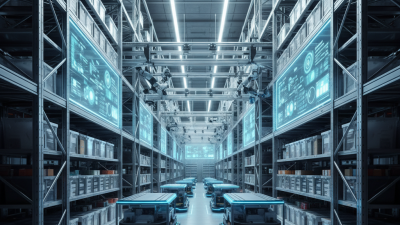
Reflect on technology integration. Automated systems can streamline processes but come with challenges. Staff training and system maintenance are crucial.
Not every business is ready for automation. Some may benefit from a hybrid approach, combining manual and automated methods. Seeking expert advice can guide
this decision. Balancing innovation with practicality leads to better results.
Incorporating Safety Standards and Regulations in Storage Solutions
When choosing industrial storage solutions, safety should be a top priority. Incorporating safety standards and regulations ensures the well-being of all employees. Non-compliance can lead to accidents and legal repercussions. Regular audits and updates to storage protocols are essential for maintaining safety.
Consider hazard assessments in your storage designs. Understanding the risks associated with your materials is crucial. For example, flammable substances require specific storage conditions. Using appropriate containers can significantly reduce risks. Always place safety signage near storage areas. This simple act boosts awareness among workers.
Tip: Regular training sessions on safe handling practices are vital. Ensure that employees are familiar with storage protocols. Additionally, review and update policies to align with the latest regulations. Engaging with safety experts can provide valuable insights. Often, minor adjustments can enhance safety without significant costs. Emphasizing a culture of safety can lead to long-term benefits. Regularly reflect on your safety measures, and be open to improvements.
Assessing Cost-Effectiveness and ROI of Storage Investments
When evaluating industrial storage solutions, cost-effectiveness and ROI are paramount. A recent industry report highlights that optimized storage can reduce operating costs by 30%. Efficient use of space minimizes waste and improves workflows. However, calculating ROI requires a detailed assessment. Many overlook hidden costs, such as labor and maintenance. These factors directly influence overall effectiveness.
Investing in automated storage systems can yield significant returns. According to the Logistics Management Association, businesses can see a 25% increase in efficiency after implementation. Yet, initial investment costs may deter some. It's essential to conduct thorough cost-benefit analyses. Decision-makers should account for long-term savings against upfront expenditures.
Regularly reviewing storage solutions is crucial. The industry often shifts due to technological advancements. Solutions that work today may fall short tomorrow. Companies must stay agile and ready to adapt. Balancing immediate needs with future growth is a challenge that requires careful consideration. Taking time to reflect on current systems can lead to improved strategies and better financial outcomes.