How to Choose the Best Warehouse Storage Racks for Your Needs?
When it comes to optimizing your warehouse space, choosing the right warehouse storage racks is critical. With so many options available, making the right decision can feel overwhelming. Taking time to evaluate your specific needs will lead you to the best choice. Factors like load capacity, size, and material must be considered.
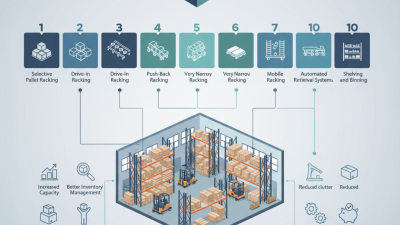
Warehouse storage racks come in various types, each with its strengths and weaknesses. For example, selective racks allow easy access but may take up more space. In contrast, drive-in racks maximize space but can complicate inventory management. Reflecting on your workflow and product types can help you make an informed decision.
Ultimately, investing in the proper warehouse storage racks can significantly enhance efficiency. While it may seem daunting, understanding your operational demands will guide you towards a more organized and functional workspace. Be open to revisiting your choices as your needs evolve.

Understanding Different Types of Warehouse Storage Racks Available
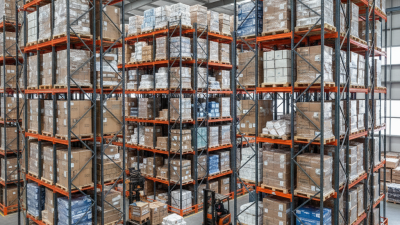
When selecting warehouse storage racks, it's essential to understand the different types available. Each type serves specific needs and impacts efficiency. The most common types are pallet racks, shelving units, and cantilever racks. Pallet racks are ideal for bulk storage and enable easy access. They are flexible and can be adjusted for different pallet sizes.
Shelving units offer greater versatility. They come in various designs, from simple metal shelves to heavy-duty options. These are perfect for smaller items and are easily adjustable. On the other hand, cantilever racks are designed for long or irregularly shaped items. They offer unobstructed access and maximize vertical space.
Choosing the right type requires careful consideration. Think about the types of items you store. Analyze your available space and future needs. It’s easy to overlook the importance of space optimization. Rely on measurements to avoid waste. Each rack design has its pros and cons. While some offer high capacity, they may be less flexible. Others provide easier access but may not hold as much weight. Reflecting on these factors ensures you select the most suitable storage system for your warehouse.
Warehouse Storage Rack Types and Their Capacity
Assessing Your Storage Space and Requirements for Optimal Organization
When choosing warehouse storage racks, it's essential to assess your storage space and requirements carefully. Start by evaluating the dimensions of your available area. Measure the ceiling height, width, and length. This information is crucial in understanding how tall and wide your racks can be. Consider not just the current inventory but also potential future growth. You may find that your needs change over time.
Tips: Use a tape measure to get accurate dimensions. Make a sketch of your space layout. Visual representation helps in planning effectively.
Next, consider the types of items you will store. Are they heavy, bulky, or fragile? Different items require different rack types. For instance, pallet racks are excellent for heavy loads, while shelving units are better for smaller items. It's vital to choose a rack system that best fits your specific needs.
Tips: Think about accessibility. How often will you need to retrieve items? Ensure your chosen racks allow for easy access to maintain efficiency in your operations.
Evaluating Load Capacity and Durability of Storage Racks
When selecting warehouse storage racks, evaluating the load capacity is crucial. Each rack has a specified limit, often marked in pounds or kilograms. Knowing this limit helps ensure safety and efficiency. For example, a rack rated for 1,200 pounds means you should not exceed this weight. Doing so may lead to rack failure. Regular inspections will help identify any wear or changes in load capacity over time.
Durability is another critical factor. The material of the storage racks often determines its longevity. Steel racks offer strength but may be more prone to corrosion if not treated properly. On the other hand, cheaper materials might wear out quickly under heavy loads. Examine the construction details closely. Joints and welds need to be robust. Weak joints create potential hazards.
Choosing the right rack is a balancing act. It's key to align your needs with what’s available. Many overlook the importance of proper installation. A poorly installed rack can compromise its load-bearing capacity. Regular maintenance checks are essential for safety. Remember, a durable storage solution today may still require adjustments tomorrow.
How to Choose the Best Warehouse Storage Racks for Your Needs?
| Rack Type |
Load Capacity (lbs) |
Material |
Durability Rating |
Ideal Use |
| Selective Pallet Rack |
2,500 - 4,000 |
Steel |
High |
Automated warehouses |
| Drive-In Rack |
3,000 - 5,000 |
Steel |
High |
High-density storage |
| Cantilever Rack |
1,000 - 10,000 |
Steel |
Medium to High |
Long materials storage |
| Mobile Rack |
2,000 - 4,000 |
Steel |
Medium |
Space-efficient storage |
| Shelving Rack |
500 - 1,500 |
Metal/Wood |
Medium |
Light to medium duty storage |
Considering Accessibility and Safety Features in Rack Selection
When selecting warehouse storage racks, accessibility and safety are crucial.
Poorly designed racks can lead to accidents. Studies show that up to
25% of warehouse injuries are linked to improper storage solutions. This highlights the importance of choosing racks that are easy to access while maintaining a secure structure.
Consider the height and load capacity of racks. Professional guidelines suggest that no single rack should exceed a height of
12 feet in low-traffic areas. This helps reduce the risk of injury during retrieval. Furthermore, racks should be spaced properly to ensure that forklifts and workers can navigate comfortably. Creating clear pathways can further enhance accessibility.
Safety features also play a vital role. Racks should include safety straps or bolt systems to prevent tipping. Data from industry reports suggests that
30% of rack collapses happen due to improper securing methods. Regular maintenance should be scheduled to reinforce safety measures. Reflecting on these elements can lead to a safer and more efficient storage solution, benefiting both workers and inventory management.