Blog
How to Choose the Right Air Seat Control Valve
Choosing the right Air Seat Control Valve begins with understanding the seat’s pneumatic system, not simply comparing product prices. A valve may look suitable on a catalog page, yet perform poorly when pressure, port size, or mounting space differs. Check the seat manufacturer’s specifications, working pressure, air connection, and control method before ordering. Small details matter.
Think about daily use. A driver may adjust the seat dozens of times during a long shift. The valve should provide smooth height control, reliable air release, and a comfortable response. Inspect the available space beneath the seat, where hoses can bend sharply or rub against metal brackets. A compact body can help, but only if the fittings remain accessible. Test the valve with the intended air spring and compressor system, rather than relying on appearance alone.
Experience also shows that “universal” does not always mean suitable. That assumption can be costly. Confirm thread standards, lever position, sealing performance, and resistance to vibration. Ask for technical drawings and test data from an established supplier. A reputable manufacturer should explain operating limits clearly and support replacement parts when needed. Still, specifications are not the whole story. Dust, moisture, temperature changes, and rushed installation can affect service life. Review the actual working environment and document each check. A careful selection process reduces adjustment problems, protects operator comfort, and supports dependable seat performance over time. Some choices remain imperfect. Good judgment means recognizing that early.
Understanding the Function of an Air Seat Control Valve
How to Choose the Right Air Seat Control Valve
Understanding the Function of an Air Seat Control Valve
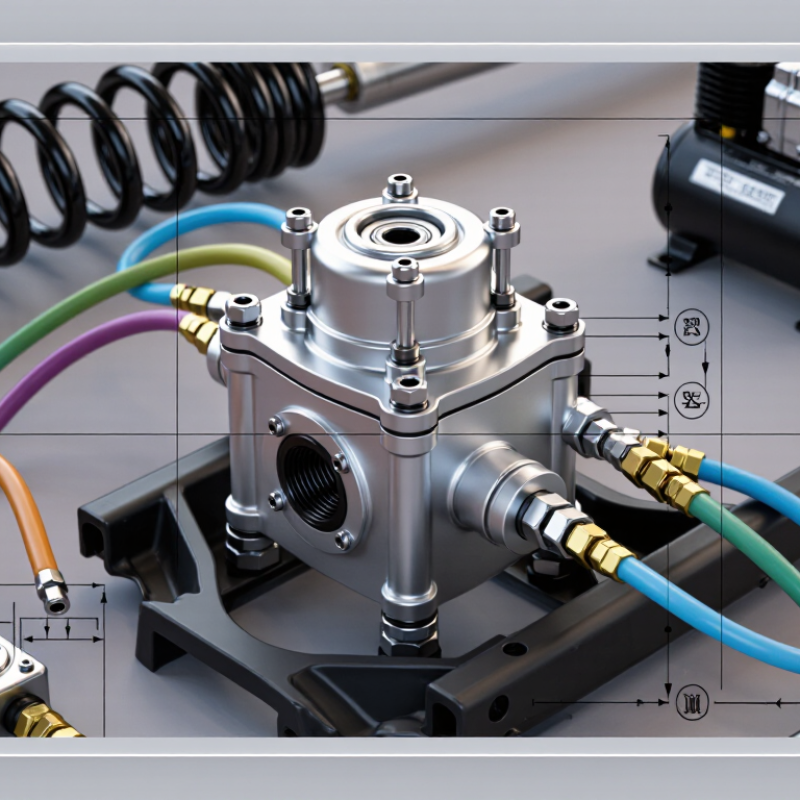
An air seat control valve manages compressed air entering and leaving a pneumatic seat actuator. It controls movement, pressure, and timing during seat adjustment. When the control signal changes, the valve directs air toward the actuator chamber. The seat then moves smoothly instead of shifting abruptly. Some designs also release trapped air through an exhaust port. This feature helps prevent delayed movement and unwanted pressure buildup.
Choosing the correct valve starts with the actuator’s working pressure and air consumption. Check the valve’s pressure range carefully. A mismatch can cause weak movement, leakage, or premature wear. Port size matters too, because narrow passages may restrict airflow. Response speed should match the seat’s required adjustment time. Fast is not always better.
Consider the installation environment. Dust, moisture, vibration, and temperature can affect sealing performance. Materials should suit the surrounding conditions. In practical maintenance work, technicians often inspect thread condition, tubing connections, and exhaust cleanliness before replacing a valve. Small leaks are easy to overlook. They are not harmless.
A reliable selection also includes manual testing and repeated cycling. Watch for uneven motion, hissing sounds, or air loss after shutoff. No valve is perfect. Even a correctly rated model may perform poorly with contaminated air or careless installation. I would also leave room for review, because real operating conditions can differ from the original calculations.
Identifying the Valve Type and Seat Compatibility
Choosing the right air seat control valve starts with identifying the valve type, not comparing appearance. Check whether the valve is normally open, normally closed, single acting, or double acting. The actuator must match the required fail position during air loss. A small mismatch can stop production or leave a process line exposed.
Measure the pipe connection, pressure range, flow direction, and available air supply. I have seen installations fail because the control signal was correct, but the actuator lacked enough force.
Seat Compatibility
Seat compatibility deserves closer attention. Confirm the seat material against the fluid, temperature, cleaning method, and operating pressure. Soft seats may seal well, but repeated heat or aggressive cleaning can shorten their service life. Metal seats handle harsher conditions, yet they may require tighter alignment and more precise maintenance.
Check the body material too. It should resist corrosion from the process environment. Early in my inspections, I focused too much on size. That was a mistake.
Tips:
Read the valve’s technical sheet carefully. Verify the port size with a physical gauge. Confirm the actuator stroke and fail position. Inspect the seat after a trial cycle. Look for uneven wear, leakage, or delayed movement. Ask whether the valve will face frequent cycling, since occasional service data may not predict continuous use. When specifications conflict, pause and recheck the actual line conditions. A clean installation still needs practical testing.
Checking Pressure, Flow, and Connection Requirements
How to Choose the Right Air Seat Control Valve
Pressure, flow, and connection details determine whether an air seat control valve performs smoothly. Start with the actual operating pressure at the valve, not the compressor’s advertised pressure. Seat movement can create short pressure drops, especially through long, narrow hoses. A valve rated for 8 bar may still respond poorly when supply pressure falls below 5 bar during adjustment.
That mistake is common.
Measure both static and dynamic pressure. Then compare the result with the valve’s working range and required response time. Flow capacity also matters. A small orifice may restrict cushioning, while an oversized valve can make adjustment abrupt.
The U.S. Department of Energy reports that compressed-air leaks can waste 20–30% of compressor output, according to Improving Compressed Air System Performance.
A leaking fitting near the seat can therefore imitate a valve fault.
Connection checks deserve equal attention. Confirm thread type, port size, hose outside diameter, and available installation space. ISO 228-1 and ISO 7-1 use different thread principles, so similar-looking fittings may not seal correctly.
Air quality matters too. ISO 8573-1 classifies particles, water, and oil in compressed air; contamination can cause sticking or slow exhaust.
In field testing, I would inspect the valve after repeated seat cycles, not only during a bench test. Real conditions expose weaknesses. unerkärig
Comparing Materials, Controls, and Installation Features
Choosing the right air seat control valve starts with the material, not the price. Stainless steel suits humid production areas and frequent washdowns. Brass can work well in dry, moderate environments. Check the seat material against temperature, pressure, and the handled media. A seal that looks durable may harden after repeated heat cycles.
Control options affect response and maintenance. Pneumatic actuation is practical where compressed air is already available. Electric control may simplify integration, but it needs suitable protection near moisture. Confirm the required signal, fail position, cycle speed, and feedback method. In field inspections, I have seen valves selected correctly but controlled poorly. The valve was not the problem.
Installation details often decide service life. Leave enough clearance to remove the actuator without disturbing nearby tubing. Keep air lines short and clean. Mount the valve in the direction recommended by its flow markings. Inspect threads, gaskets, and connection surfaces before tightening. Small leaks are easy to ignore. They rarely stay small. I once found unstable pressure caused by a slightly twisted seal, not a defective valve. That experience changed my checklist: test the assembled valve under realistic pressure, verify the stroke repeatedly, and record the result. Even a careful installation can need adjustment after the first operating week.
Evaluating Safety, Maintenance, and Supplier Support
Choosing an air seat control valve requires more than checking pressure and thread size. In field inspections, I examine failure behavior first. A safe valve should vent predictably, resist unintended seat movement, and remain stable during vibration. ISO 4414 emphasizes controlled pneumatic energy, clear exhaust paths, and protection against unexpected movement. Those details matter when a driver adjusts the seat on uneven roads.
Maintenance evidence is equally important. The U.S. Department of Energy reports that compressed air can consume about 10% of industrial electricity. It also estimates leakage may waste 20–30% of compressor output. A small valve leak can therefore create constant compressor demand. Check valve materials, seal availability, cleaning access, and replacement intervals. Use a pressure gauge during inspection. Listen for faint hissing. Do not trust appearance alone.
Supplier support often separates a durable choice from a costly mistake. Request dimensional drawings, test procedures, service instructions, and traceability records. Ask how quickly technical questions receive answers. A supplier should explain compatibility with the seat suspension, tubing, and air source. Industry maintenance studies repeatedly identify poor documentation and delayed spare parts as causes of extended downtime. I have also seen attractive valves fail because their fittings were poorly matched. That mistake is easy to repeat. Keep a sample valve for bench testing, and record pressure loss before installation. Supplier promises help, but measured evidence is better.
How to Choose the Right Air Seat Control Valve - Evaluating Safety, Maintenance, and Supplier Support
| Evaluation Dimension | What to Check | Recommended Requirement | Why It Matters | Typical Evidence to Request | Priority |
|---|---|---|---|---|---|
| Fail-Safe Function | Valve response when instrument air or control power is lost | Define fail-open, fail-closed, or fail-in-place behavior according to the process hazard analysis | Helps prevent uncontrolled flow, pressure release, overheating, or loss of containment during an upset | Functional test records, cause-and-effect documentation, and actuator data sheet | Critical |
| Pressure and Temperature Rating | Maximum operating pressure, temperature, differential pressure, and pressure class | Rated limits should exceed the process design conditions with an appropriate engineering margin | Reduces the risk of body deformation, seat damage, leakage, or premature failure | Pressure-temperature chart, material certificates, and design calculations | Critical |
| Leakage Performance | Internal shut-off and external stem or body leakage | Select a documented leakage class suitable for the service; soft seats are often used where tight shut-off is required | Limits product loss, emissions, contamination, and safety exposure | Seat leakage test report and applicable standard or test method | Critical |
| Material Compatibility | Compatibility of body, trim, seat, seals, and fasteners with the process fluid | Confirm resistance to corrosion, erosion, chemical attack, temperature, and cleaning agents | Incorrect materials can cause swelling, cracking, corrosion, particle generation, or rapid seat wear | Material list, chemical compatibility statement, and certificates of conformity | Critical |
| Actuator Sizing | Available air pressure, required torque or thrust, stroke time, and cycling frequency | Size the actuator for the maximum differential pressure and include a documented safety factor | Prevents incomplete travel, stalling, excessive wear, and unreliable emergency operation | Actuator sizing calculation, torque chart, and air-consumption data | Critical |
| Air Quality Requirements | Instrument-air cleanliness, moisture, oil content, and filtration | Follow the equipment specification and the applicable compressed-air quality requirements; provide suitable filtration and regulation | Contaminated or wet air can damage pneumatic components and cause sticking or slow response | Air-quality specification, filter-regulator recommendation, and maintenance instructions | High |
| Position Feedback | Open, closed, intermediate-position, and valve travel indication | Use limit switches, proximity sensors, or position transmitters when remote confirmation is required | Provides reliable feedback for interlocks, alarms, sequencing, and preventive maintenance | Wiring diagram, switch specifications, and proof-test procedure | High |
| Maintenance Access | Ease of replacing seats, seals, actuator parts, and accessories | Prefer a serviceable design with replaceable wear components and clear disassembly instructions | Shortens planned downtime and reduces the risk of incorrect reassembly | Exploded-view drawing, spare-parts list, torque values, and maintenance manual | High |
| Cleaning and Drainage | Dead legs, drainability, surface condition, and cleanability of wetted areas | For hygienic service, specify suitable surface finish, drainable geometry, and compatible elastomers | Helps reduce product retention, contamination, microbial growth, and cleaning time | Internal geometry drawing, surface-finish data, and cleaning compatibility information | High |
| Cycle-Life Capability | Expected operating cycles, cycle frequency, and wear behavior under actual service conditions | Require cycle testing or a documented service-life estimate for the intended pressure, temperature, and media | Improves availability and supports realistic spare-parts planning | Endurance-test summary, cycle rating, and recommended inspection interval | High |
| Compliance Documentation | Applicable pressure, machinery, electrical, functional-safety, and hygienic requirements | Match documentation to the installation location, process risk, and local regulatory requirements | Supports safe commissioning, audits, traceability, and acceptance testing | Declaration of conformity, certificates, drawings, manuals, and test records | Critical |
| Supplier Technical Support | Application engineering, sizing assistance, troubleshooting, and commissioning support | Choose a supplier that provides responsive technical communication and complete engineering data | Reduces selection errors and speeds resolution of installation or operating problems | Technical support process, response-time commitment, and commissioning checklist | High |
| Spare Parts Availability | Availability of seats, seals, actuators, solenoids, sensors, and repair kits | Confirm standard part numbers, expected lead times, storage life, and interchangeability | Limits outage duration and prevents replacing complete valve assemblies unnecessarily | Recommended spare-parts schedule, lead-time statement, and storage guidance | High |
| Total Cost of Ownership | Purchase price, air consumption, maintenance labor, downtime, and replacement costs | Compare lifecycle cost rather than purchase price alone | A lower initial price may result in higher operating costs or more frequent maintenance | Lifecycle-cost estimate, air-consumption data, warranty terms, and service schedule | Medium |
| Factory Acceptance Testing | Verification of operation, leakage, accessories, fail position, and documentation before shipment | Define acceptance criteria and test records in the purchase specification | Identifies defects before installation and provides a baseline for future maintenance | Inspection and test plan, test certificates, calibration records, and punch-list closure | High |