What is a Flexible Metal Hose and How Does It Work?
Flexible Metal Hoses are crucial components in various industries. They are designed to transfer fluids and gases efficiently. The versatility of these hoses makes them suitable for high-pressure applications.
Understanding how Flexible Metal Hoses work can help in selecting the right product. Their construction allows for movement and vibration absorption. This design is vital for maintaining system integrity. However, not all hoses are created equal.
Installation requires careful consideration. Improper use can lead to leaks and system failures. It's important to explore the right materials and configurations. Professionals should assess specific needs and challenges. Selecting the best Flexible Metal Hose can significantly impact performance and reliability.
Definition and Components of Flexible Metal Hoses
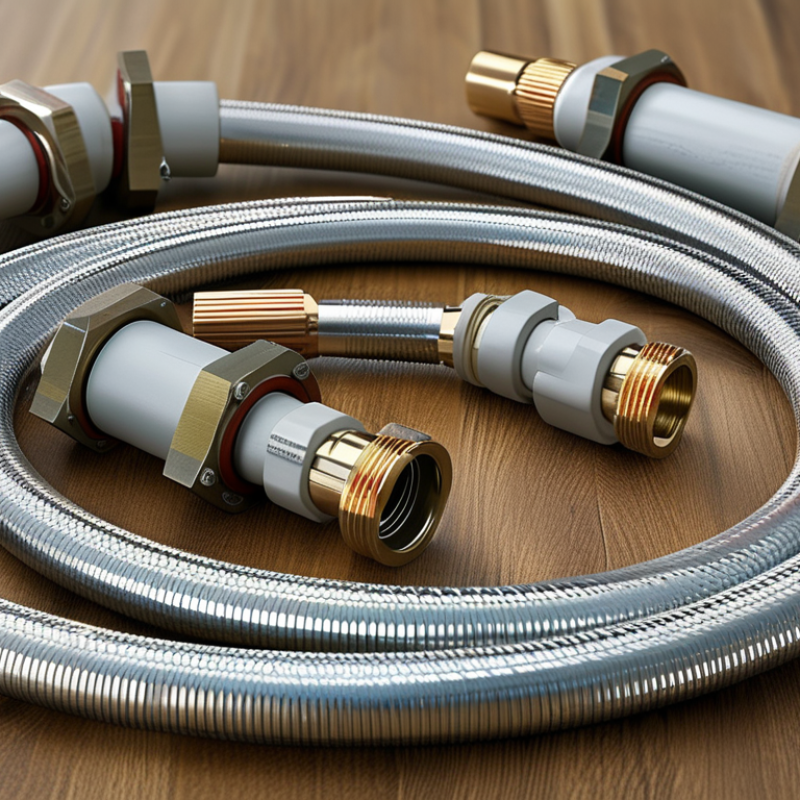
Flexible metal hoses are essential in various industries. These hoses are designed to carry liquids and gases while accommodating movement and vibration. Their construction typically includes a corrugated metallic tube, which allows flexibility, and end fittings that attach to systems efficiently.
The main components of flexible metal hoses include the inner tube, braiding, and fittings. The inner tube is made from materials like stainless steel, ensuring durability under pressure. Braiding consists of additional metal strands that provide support. Lastly, the fittings help connect hoses to other piping systems securely. Each component plays a crucial role in the reliability of the hose in different environments.
**Tip:** When choosing a flexible metal hose, consider factors like pressure requirements and temperature limits. Analyze the application to ensure the right specifications are met.
Proper installation is vital for optimal performance. Incorrect connections can lead to leaks or failures. Regular inspections are important to maintain the integrity of the hoses.
**Tip:** Always consult an expert when uncertain about hose selection or installation. Their guidance can save time and prevent costly mistakes.
Applications of Flexible Metal Hoses in Various Industries
Flexible metal hoses play a crucial role in various industries due to their versatility and durability. In the chemical processing sector, for instance, these hoses withstand corrosive substances while providing reliable connections. According to a recent market report, the flexible metal hose market is projected to reach $300 million by 2025, driven by demand in sectors like mining, oil, and gas.
In the aerospace and automotive industries, flexible metal hoses serve as essential components for fuel lines and exhaust systems. They can handle high temperatures and pressures. Moreover, they help reduce vibration and thermal expansion. As indicated in industry studies, improper installation or selection of materials for these applications can lead to failures, highlighting the importance of expert knowledge in this field.
Another significant application is in the HVAC sector. Flexible metal hoses facilitate air and fluid transfer in both commercial and residential systems. Engineers often face challenges regarding hose material compatibility and installation constraints. These issues can complicate projects, necessitating careful planning and skilled installation. Overall, the expertise required in selecting and utilizing flexible metal hoses is crucial for ensuring safety and efficiency across multiple sectors.
Applications of Flexible Metal Hoses in Various Industries
This chart illustrates the various applications of flexible metal hoses across different industries, showcasing their importance and versatility.
How Flexible Metal Hoses Function: Mechanics and Principles
Flexible metal hoses are intricate devices engineered to transport fluids and gases in demanding applications. Their design features a corrugated metal interior, which allows flexibility while maintaining structural integrity. This flexibility is crucial in environments where motion or vibration occurs. According to a recent industry report, flexible metal hoses can withstand extreme temperatures, ranging from -200°C to +700°C, depending on the materials used. This adaptability makes them suitable for various sectors, including aerospace, oil and gas, and chemical processing.
The mechanics behind flexible metal hoses rely on their unique construction. The corrugated section expands and contracts in response to changes in pressure or temperature. This capability helps to prevent leaks and maintain the flow of materials. An industry study highlights that improperly sized hoses can lead to significant performance issues. It is essential to match the hose diameter to the application to avoid excessive strain. Hoses that are too small may burst under pressure, while those that are too large can lead to inefficient flow. Regular maintenance is also crucial, as wear over time can weaken the material and lead to potential failure.
Moreover, the choice of material directly influences the hose's performance. Stainless steel is common due to its corrosion resistance and strength. However, it may not suit every environment. Depending on the application, users might consider alternatives, such as Inconel for high-temperature scenarios. Testing and validation reports are vital to ensure reliable performance over time. A thorough assessment before installation can save costs in the long run, but many still overlook this step. In complex environments, the role of flexible metal hoses is non-negotiable, yet careful consideration is essential for optimal use.
Installation and Maintenance of Flexible Metal Hoses
Flexible metal hoses are widely used in various industrial applications. Proper installation and maintenance of these hoses are crucial for ensuring safety and longevity. When installing flexible metal hoses, it’s essential to follow guidelines for support and alignment. Support brackets should be placed at intervals to prevent sagging. Avoid sharp bends, as they can cause stress and weaken the hose structure.
Regular maintenance of flexible metal hoses enhances their performance. Inspect hoses periodically for signs of wear or corrosion. Pay close attention to connections and fittings, as these areas are prone to leaks. While flexible hoses can handle movement, excessive movement can lead to premature failure. It's important to reassess the installation environment regularly. Ensure that the hoses are not exposed to extreme temperatures or corrosive substances without protection.
Some users may overlook the importance of proper tools when installing or maintaining flexible metal hoses. Using the correct wrenches and supports can make a significant difference. However, many may rush the process or use makeshift solutions, leading to issues down the line. Understanding the right practices takes time and experience, and not every installation will be perfect. Regular training can improve installation skills and best practices.
What is a Flexible Metal Hose and How Does It Work? - Installation and Maintenance of Flexible Metal Hoses
| Dimension | Description | Applications | Maintenance Tips |
| Length | Customizable lengths from a few inches to several feet | Used in HVAC systems, chemical processing, oil & gas | Regularly inspect for signs of wear or damage |
| Diameter | Varies from 1/4 inch to 12 inches depending on the application | Fluid transport, aerospace applications, industrial machinery | Ensure proper fittings and connections are secure |
| Pressure Rating | Typically ranges from 150 psi to 3000 psi | Used in high pressure applications, steam systems | Avoid over-pressurizing the hose beyond its rating |
| Material | Made from stainless steel, carbon steel, or other alloys | Corrosive environments, high-temperature applications | Choose material based on chemical compatibility |
| Flexibility | Highly flexible to accommodate movement and vibration | Robotics, automotive exhaust systems | Check for kinks or bends that can weaken the hose |
Advantages and Disadvantages of Using Flexible Metal Hoses
Flexible metal hoses are becoming increasingly popular in various industries. They provide a unique solution for transferring fluids and gases. Their design allows for easy bending and installation in tight spaces. However, like any technology, they come with advantages and disadvantages.
One significant advantage of flexible metal hoses is their durability. They can withstand high temperatures and pressures, making them suitable for many applications. Additionally, they resist corrosion, which extends their lifespan. However, over time, they can face wear and tear, especially in demanding environments. Regular inspections are crucial to ensure functionality.
On the downside, flexible metal hoses can be more expensive than traditional rubber hoses. This cost can be a barrier for smaller companies. Furthermore, their installation may require specialized knowledge. Incorrect installation can lead to leaks or failures, which can be costly in terms of repairs and downtime. While they offer versatility, understanding potential drawbacks is vital for informed decision-making.