Why Heavy Duty Racking is Essential for Efficient Warehouse Storage Solutions
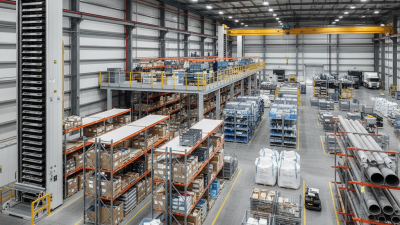
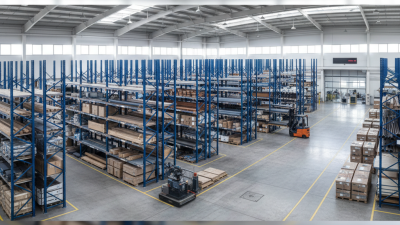
In the competitive landscape of modern logistics and supply chain management, optimizing warehouse space has become a daunting challenge for many businesses. One of the most effective solutions to this issue is the utilization of heavy duty racking systems. These robust shelving units are designed to support a substantial amount of weight while maximizing vertical storage capacity, making them an essential component of efficient warehouse storage solutions. By enabling companies to better organize their inventory, heavy duty racking not only enhances accessibility but also streamlines operations, reducing the time and effort required to locate and retrieve products.
Moreover, the implementation of heavy duty racking systems contributes to improved safety in the warehouse environment. Properly installed and utilized racking helps to minimize the risk of accidents, providing a secure structure for both employees and goods. As warehouses increasingly focus on maximizing their storage potential, integrating heavy duty racking has emerged as a strategic investment that supports scalability and adaptability in response to fluctuating demands. In the following sections, we will explore the various benefits of heavy duty racking, including its impact on operational efficiency, inventory management, and overall warehouse performance.

Understanding Heavy Duty Racking and Its Benefits in Warehousing
Heavy duty racking systems play a pivotal role in optimizing warehouse operations by providing robust storage solutions designed to support a substantial amount of weight and volume. These systems are engineered to accommodate a wide variety of goods, making them particularly effective in environments where heavy or bulky items are stored. By maximizing vertical space, heavy duty racking enables warehouses to utilize their square footage more effectively, leading to improved organization and accessibility of inventory.
In addition, heavy duty racking offers several advantages that enhance overall efficiency in warehousing. It improves safety by distributing weight evenly and reducing the risk of structural failure, which can lead to accidents or damage to products. Furthermore, these racking systems facilitate better inventory management, allowing for quick and easy access to items. With organized shelving that supports various loading and unloading configurations, warehouses can streamline their operations, reducing labor time and costs while increasing productivity.
Key Features of Heavy Duty Racking Systems for Optimal Storage
Heavy duty racking systems are pivotal in enhancing warehouse storage efficiency. These robust structures are designed to maximize vertical space while ensuring safety and accessibility for heavy and bulky items. According to a recent industry report, warehouses utilizing heavy duty racking can increase storage capacity by up to 40%, significantly optimizing their operations. Common configurations include selective racking, drive-in racks, and pallet flow systems, each tailored to meet specific storage needs and improve inventory management.
When choosing heavy duty racking systems, several key features should be considered. First, load capacity is crucial; systems should support the weight of the items stored without compromising safety. Additionally, adjustable shelving allows for flexibility as inventory requirements change. Another important feature is the material quality. High-grade steel provides better durability and stability, essential for high turnover environments. A study by the Warehouse Efficiency Association highlights that warehouses implementing these systems experience a 25% reduction in picking times, emphasizing the importance of strategic layout and design.
Tips: When implementing heavy duty racking, ensure regular inspections for structural integrity to maintain safety standards. Additionally, consider organizing stock based on turnover rates; placing fast-moving items at eye level can drastically reduce retrieval times, making your operations more efficient.
Comparing Heavy Duty Racking to Other Storage Solutions
When it comes to warehouse storage solutions,
heavy duty racking systems
stand out for their strength and efficiency compared to other options like shelving and mobile storage systems.
According to a report by the Material Handling Industry Association (MHIA), warehouses with
heavy duty racking can increase storage density by up to 50%
in comparison to traditional shelving methods. This increase is crucial for businesses that require more space
to accommodate growing inventory without needing to expand their physical footprint.
Heavy duty racking systems not only provide more vertical storage options but also allow for easier access
to goods. Unlike mobile storage systems that often require more time to operate and access items,
heavy duty racks maintain efficiency with straightforward aisles that facilitate
quick pick and pack operations.
A study by the Warehousing Education and Research Council revealed that warehouses optimized
with heavy duty racking saw a considerable reduction in order picking times, translating to
higher productivity levels.
Tips:
When considering heavy duty racking, assess the specific weight capacities and dimensions of your products
to ensure compatibility. Additionally, regularly train employees on safety protocols to prevent workplace
accidents, as proper handling of heavy loads is critical for maintaining a safe warehouse environment.
Lastly, consider investing in supplementary accessories
such as pallet supports or anti-collapse wire mesh to further enhance the efficiency
and safety of your storage space.
Implementing Heavy Duty Racking for Improved Warehouse Efficiency
Implementing heavy duty racking in a warehouse setting significantly enhances operational efficiency and maximizes storage space. These robust shelving systems provide a structured approach to inventory management, allowing businesses to store a wider range of products safely and effectively. By utilizing vertical space, heavy duty racking systems can accommodate larger volumes of stock without necessitating an expansive floor area, which is crucial in optimizing overall warehouse utility.
Furthermore, equipping warehouses with heavy duty racking facilitates easier access to inventory, streamlining the picking and packing process. Workers can navigate aisles efficiently, leading to reduced time spent searching for items. Improved organization also minimizes the risk of stock damage, as products are securely stored in designated areas. This strategic implementation not only elevates productivity but also supports a smoother workflow, ultimately contributing to better customer satisfaction through timely order fulfillment.
Warehouse Efficiency Improvement with Heavy Duty Racking
This chart illustrates the significant increase in storage capacity before and after the implementation of heavy duty racking systems in a warehouse environment. As shown, the capacity nearly doubled, demonstrating the efficiency gained through effective storage solutions.
Maintenance Practices for Heavy Duty Racking Systems in Warehouses
Maintenance practices for heavy-duty racking systems are crucial in ensuring safety and efficiency within warehouse environments. Regular inspections should be conducted to identify any signs of wear and tear, such as bent frames, damaged beams, or corroded components. Addressing these issues promptly prevents potential accidents and prolongs the life of the racking system. It is recommended to create a maintenance schedule that includes monthly checks for stability and alignment, as well as an annual comprehensive review by trained personnel.
Furthermore, proper training for employees who interact with heavy-duty racking systems is essential. Staff should be educated on safe loading practices, the importance of evenly distributing weight, and the necessity of using designated equipment for handling heavy items. Implementing a reporting system for any noticed deficiencies can also facilitate timely repairs. Keeping the racking systems free from clutter is another maintenance aspect that should not be overlooked, as it allows for easier access to racks and reduces the risk of accidents. By adhering to these maintenance practices, warehouses can optimize their storage solutions and ensure a safer working environment.
Why Heavy Duty Racking is Essential for Efficient Warehouse Storage Solutions
| Storage Type |
Max Load Capacity (kg) |
Shelf Height (m) |
Material |
Maintenance Frequency (months) |
| Selective Racking |
3000 |
2.5 |
Steel |
12 |
| Drive-In Racking |
5000 |
3.0 |
Steel |
6 |
| Pallet Flow Racking |
4000 |
2.5 |
Aluminum |
12 |
| Push-Back Racking |
3500 |
2.8 |
Steel |
9 |
| Cantilever Racking |
6000 |
4.0 |
Steel |
12 |