Top Marine Steering Cylinders for Boats How to Choose?
Choosing the right Marine Steering Cylinders can determine how confidently a boat responds in rough water. A cylinder is not merely a metal tube with hydraulic fittings. It transfers helm input into controlled rudder movement, often under heavy load, vibration, salt spray, and sudden steering resistance.
Nigel Calder, a respected marine systems author, offers a practical warning: “Understand the system before trusting it at sea.” That principle matters when comparing cylinders. The correct choice depends on rudder load, boat length, steering pump capacity, cylinder bore, stroke, mounting space, and maximum operating pressure. Compatibility comes first. A powerful cylinder may still perform poorly if its stroke does not match the rudder angle.
Look closely at the details. Stainless-steel rods should resist corrosion and pitting. Seals should remain dependable after long exposure to saltwater. End fittings must align without forcing the mounting brackets. Even a small misalignment can create uneven wear, stiff steering, or hydraulic leakage. That is not a minor inconvenience offshore.
Some products advertise impressive pressure ratings. Numbers alone can mislead. Real reliability also depends on installation quality, hose routing, bleeding, and regular inspection. Check for oil around the rod seal. Feel for unusual play. Notice slow helm response.
The best Marine Steering Cylinders are not always the largest or most expensive models. They are the cylinders that suit the vessel, match the steering system, and remain serviceable in real conditions. There is room for doubt here. Manufacturer specifications can differ, and boat layouts are rarely identical. Careful measurement remains essential.
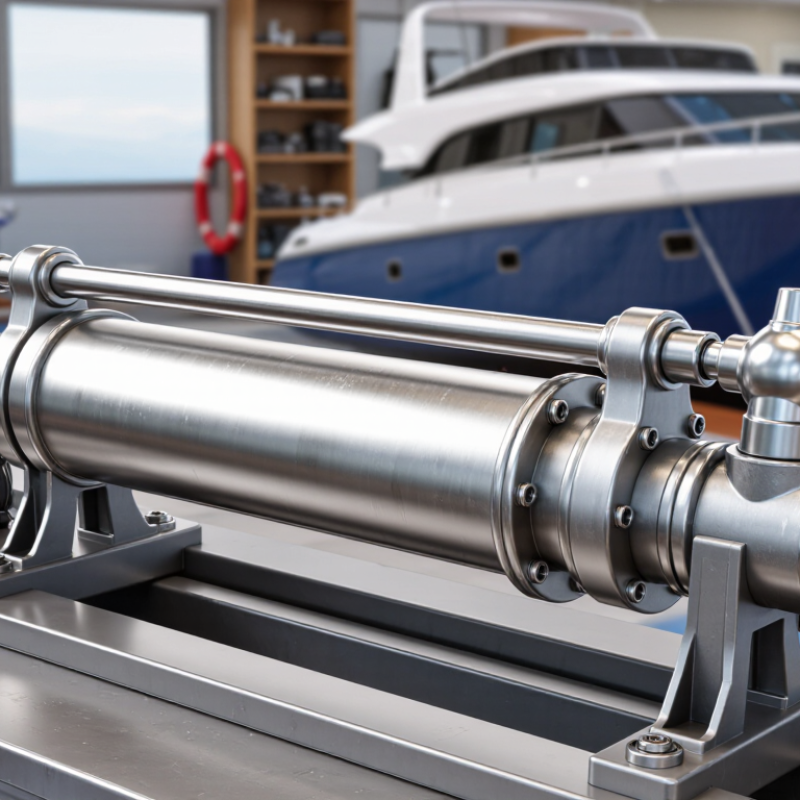
Marine Steering Cylinder Types: Hydraulic, Mechanical, and Power-Assisted Systems
Top Marine Steering Cylinders for Boats: How to Choose?
Marine steering cylinders connect helm input with rudder or outboard movement. The right type depends on boat size, steering load, layout, and maintenance habits.
Hydraulic steering cylinders
Hydraulic steering cylinders use pressurized fluid for smooth, low-effort control. They suit many medium and large boats, especially when long cable runs create friction. Inspect hoses, fittings, seals, and fluid levels regularly. A small leak can make the wheel feel spongy.
Mechanical systems
Mechanical systems use cables, linkages, or push-pull rods. They are simple and responsive, with fewer fluid-related concerns. However, saltwater corrosion and cable stiffness can increase steering effort.
Power-assisted systems
Power-assisted systems add a pump or actuator to reduce helm force. They help with heavier boats, but they also add wiring, moving parts, and possible power-loss concerns. A backup manual function remains important.
Tips:
Match cylinder stroke and output force with the steering manufacturer’s specifications. Measure mounting points carefully. Check for full rudder travel without binding. During inspection, turn the helm slowly and listen for clicking, grinding, or uneven resistance. These details often reveal trouble early. Do not choose only by price. A compact cylinder may fit neatly but lack sufficient load capacity. A powerful unit may feel excessive on a small hull. That judgment is easy to get wrong. A qualified marine technician can verify alignment, pressure, and safe installation before regular use.
Sizing the Cylinder: Stroke, Mounting Width, Volume, and Steering Turns
Choosing a marine steering cylinder starts with measurements, not appearance. Stroke determines how far the steering arm moves from lock to lock. Measure the existing cylinder fully extended and fully retracted. Record both numbers.
A longer stroke is not automatically better. Excess travel can force the rudder or outboard against its mechanical stop. That may damage linkages or create unsafe steering loads. Mounting width also matters. Measure the distance between bracket centers, including washers and spacers. A few millimeters can change alignment. The cylinder should sit squarely, without side pressure. It should move smoothly by hand before hydraulic pressure is applied.
Hydraulic volume links cylinder size to steering turns. A larger bore moves more fluid per inch of travel, so the helm may require more volume. This can increase steering effort or reduce turns, depending on the helm’s displacement. Count the current turns from port lock to starboard lock, then compare them with the replacement setup. Too many turns feel slow near a dock. Too few can feel abrupt offshore. Check the helm’s rated volume and the cylinder’s displacement together. Do not rely on a visual match.
I have seen installations appear correct while the ram contacted a bracket at full lock. That detail is easy to miss. Test both directions with the engine off, and recheck after tightening every fastener. Measurements taken under strain can mislead you. Recheck them.
Safety Standards: ABYC P-17, ISO 8848, and Corrosion-Resistant Materials
Top Marine Steering Cylinders for Boats: How to Choose?
A marine steering cylinder must match the boat’s steering load, helm type, and installation space. Safety begins with the correct application, not the largest cylinder. Review the applicable requirements of ABYC P-17 and ISO 8848 before purchasing. These standards help address steering-system design, strength, installation, and operational safety. Their scopes may differ, so do not assume one approval covers every boat or configuration.
Saltwater is unforgiving. Choose corrosion-resistant materials for exposed parts, including suitable stainless-steel fittings and durable cylinder coatings. Seals should resist marine fluids, temperature changes, and long periods of storage. Inspect the piston rod for scratches, pitting, or damaged plating. Small defects can create leaks under pressure. Aluminum bodies may reduce weight, but their coating quality matters greatly. Fit matters.
Check hose routing carefully. Avoid sharp bends, hot engine surfaces, and contact with moving brackets. Mounting points should remain rigid during hard steering input. After installation, bleed the system fully and inspect every connection for seepage. A soft helm, uneven movement, or delayed response needs attention before launch. Standards provide a strong reference, but they cannot replace correct measurements and careful inspection. I have seen suitable components perform poorly because the fittings were mismatched. That detail is easy to overlook.
Installation and Maintenance: Alignment, Bleeding, Leak Checks, and Sea Trials
Choosing a marine steering cylinder starts with compatibility, not appearance. Match its bore, stroke, mounting points, and rated pressure to the helm system. During installation, keep the ram aligned with the tiller arm through the full steering range. Side loading can cause stiff movement and early seal wear. I use a straightedge and move the rudder slowly by hand before tightening fasteners. Leave enough clearance around hoses and fittings. One missed clamp can become a serious problem offshore.
Bleed the system with the boat level and the engine off. Use the specified hydraulic fluid, and protect painted surfaces from spills. Turn the wheel gradually while opening the correct bleed points, then close each point before reversing direction. Continue until no bubbles appear in the transparent hose. Spongy steering usually means trapped air, although a loose fitting may be the real cause. Wipe every connection dry. Pressurize the system and inspect it with a bright light, never with bare fingers near a suspected leak.
Before sea trials, check full port and starboard travel at the dock. Confirm the cylinder does not bind, strike, or reach its stop too early. On calm water, make slow turns, then repeat them at normal operating speed. Watch for delayed response, uneven effort, or fluid around the ram. Stop immediately if any symptom changes. My own inspections have caught small seepage after successful dock tests. Temperature and vibration can reveal weaknesses that static checks miss. Record the findings, because memory is less reliable than a dated maintenance note.
