Ultimate Guide to Choosing the Best Pallet Shelving for Your Warehouse in 2025
In the ever-evolving landscape of warehouse management, the demand for efficient storage solutions remains paramount. As of 2023, the global warehouse management market was valued at approximately $3 billion and is projected to expand significantly in the coming years. A key component of this growth is the increasing reliance on pallet shelving systems, which offer versatile and cost-effective ways to maximize storage capacity. According to industry reports, pallet shelving not only enhances space utilization but also streamlines inventory management and improves accessibility of products.
With the expected rise in e-commerce and the continuous push for operational efficiency, selecting the right pallet shelving for your warehouse by 2025 will be crucial. Effective pallet shelving can lead to substantial cost savings, with studies indicating that properly designed shelving systems can improve retrieval times by up to 25%, significantly impacting overall productivity. As companies consider their shelving options, it's essential to understand the different types and configurations available, and how they can be optimized for specific inventory needs. This guide aims to provide a comprehensive overview of the factors to consider when choosing the best pallet shelving solutions for your warehouse, ensuring your operations remain competitive in an increasingly demanding market.

Understanding the Importance of Pallet Shelving in Warehouse Efficiency
In modern warehouse management, pallet shelving has emerged as a crucial component impacting overall efficiency. According to recent studies, effective pallet shelving systems can improve space utilization by up to 40%, significantly reducing operational costs. By selecting the appropriate shelving solution, warehouses can enhance accessibility to inventory, streamline picking processes, and ultimately accelerate turnover rates. The ability to quickly access goods not only boosts productivity but also contributes to improved employee satisfaction, as workers can perform their tasks more effectively in an organized environment.
Moreover, the impact of efficient pallet shelving extends beyond immediate operations. A report from the Warehousing Education and Research Council (WERC) highlights that efficient shelving layouts can decrease order fulfillment times by as much as 30%. This increase in speed is critical in meeting the rising customer expectations for quick deliveries. As e-commerce continues to grow, warehouses that prioritize optimized pallet shelving will be better equipped to handle increased volume and complexity in inventory management, positioning themselves as leaders in the industry. The alignment of shelving solutions with warehouse workflows is essential for achieving both short-term efficiency gains and long-term strategic growth.
Key Factors to Consider When Choosing Pallet Shelving in 2025
When selecting the best pallet shelving for your warehouse in 2025, several critical factors come into play. Firstly, consider the load capacity and durability required for your specific operations. According to a report by the Warehouse Productivity Association, inadequate shelving can lead to inefficiencies and accidents, with over 20% of workplace incidents involving material handling. Ensuring your pallet shelving can handle the necessary weight without compromising safety is paramount. Materials such as steel are often recommended for their strength and longevity, making them a superior choice for heavy-duty applications.
Another vital aspect to evaluate is the shelving design and layout. A study by the National Institute of Standards and Technology indicates that optimizing warehouse layouts can increase storage efficiency by up to 30%. This might involve considering adjustable shelving systems that can accommodate varying heights and weights of goods. Additionally, ease of accessibility should not be overlooked—select shelving that allows for smooth traffic flow and minimizes downtime when retrieving items. With the evolution of automation in warehouses, integrating pallet shelving that complements automated systems can further enhance productivity and streamline operations in the coming years.
Comparing Different Pallet Shelving Types: Pros and Cons
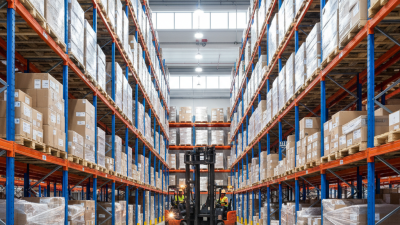
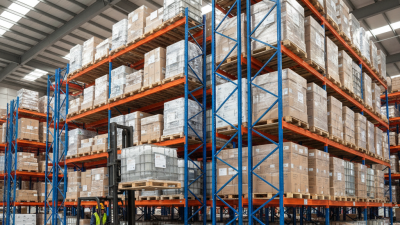
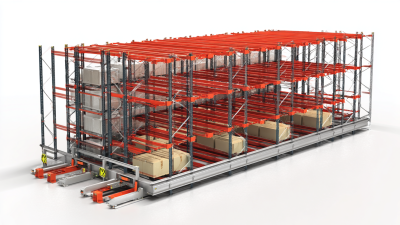
When choosing pallet shelving for your warehouse in 2025, it's essential to compare different types to find the best fit for your storage needs. Among the most common types are selective, drive-in, and push-back shelving. Selective shelving offers easy access to every pallet, making it ideal for warehouses with a wide variety of products. However, its space utilization may not be as efficient as other types. Drive-in shelving allows for maximum space usage by enabling forklifts to drive into the racks, but it often requires careful inventory management due to reduced accessibility. Push-back shelving combines the advantages of both, allowing multiple pallets to be stored while providing easier access compared to drive-in systems, albeit with a slightly higher cost.
Tips: Assess your inventory turnover rate when deciding which shelving type to use. High turnover rates benefit from selective systems, while slower-moving items may be better served with push-back or drive-in shelving for optimized space. Additionally, consider the ceiling height of your warehouse; taller racks maximize vertical space but require proper safety measures and equipment for operation. Lastly, ensure that the chosen shelving complies with safety regulations to prevent accidents in the workplace and safeguard your products.
Industry Trends: Innovations in Pallet Shelving Solutions for 2025
As we move into 2025, the pallet shelving industry is poised for significant advancements driven by emerging technologies and evolving industry demands. One notable trend is the increasing integration of automation in warehousing solutions. According to a recent report from the Warehousing Industry Association, over 45% of warehouses are expected to adopt automated pallet shelving systems by 2025, reducing labor costs and increasing efficiency. These systems not only improve storage density but also enhance inventory management, allowing for real-time tracking and seamless integration with various warehouse management systems.
Another emerging trend is the emphasis on sustainability in pallet shelving solutions. According to a study published by the International Warehouse Logistics Association, around 60% of warehouse operators are seeking eco-friendly shelving options that minimize waste and optimize energy use. Innovative designs utilizing recycled materials and energy-efficient manufacturing processes are becoming increasingly popular, aligning with the broader industry commitment to reduce carbon footprints. This focus on sustainable practices not only meets regulatory requirements but also appeals to consumers who prioritize environmentally responsible companies.
As we look ahead, these innovations in pallet shelving are not merely enhancements, but rather essential shifts that will shape the future of warehousing. Keeping pace with these trends will be critical for companies aiming to optimize their operations and maintain competitiveness in an evolving market.
Cost Analysis: Budgeting for Pallet Shelving in Warehouse Operations
When considering pallet shelving for warehouse operations in 2025, cost analysis is vital to ensure efficient budgeting. According to recent industry reports, businesses can expect to allocate approximately 30-50% of their total warehouse budget on shelving solutions. Factors that influence this cost include the shelving material, load capacity, installation expenses, and potential customization features. Steel shelving units, for example, typically offer a longer lifespan and higher load capacity but come with a higher initial investment compared to lighter materials. Accurate budgeting requires a comprehensive understanding of these variables to make informed decisions that align with operational needs.
Tips: Assess the load requirements and shelf dimensions to maximize space utilization. Investing in adjustable shelving can lead to long-term savings, accommodating varying inventory sizes without the need for future replacements.
As you plan your warehouse layout, it's beneficial to consider the ongoing maintenance costs associated with different shelving options. Routine upkeep can impact long-term expenses significantly. Investing in durable materials may reduce these costs while ensuring safety and compliance with industry standards. The average lifespan of high-quality pallet shelving can exceed 10 years, making initial costs more justifiable when evaluating lifetime expenses.
Ultimate Guide to Choosing the Best Pallet Shelving for Your Warehouse in 2025
| Pallet Shelving Type |
Cost per Unit |
Load Capacity (lbs) |
Dimensions (L x D x H) |
Ideal Application |
Average Lifespan (years) |
| Selective Pallet Racking |
$150 |
2,500 |
48 x 42 x 96 in |
General Storage |
10 |
| Drive-In Racking |
$200 |
4,000 |
48 x 42 x 100 in |
High Density Storage |
8 |
| Adjustable Pallet Racking |
$175 |
3,000 |
48 x 48 x 96 in |
Versatile Storage |
12 |
| Pallet Flow Racking |
$250 |
3,500 |
50 x 45 x 95 in |
FIFO Inventory |
10 |