China Top 10 Racking System Manufacturers?
China’s racking system industry has become a major force in global warehousing. Demand is rising with e-commerce, cold-chain logistics, and automated distribution centers. Research reports from Grand View Research and Fortune Business Insights describe warehouse storage as a growing investment area. Their findings also highlight automation, space utilization, and operational safety as central market drivers.
The MHI 2024 Annual Industry Report surveyed more than 2,000 manufacturing and supply chain professionals. It shows that companies are increasing technology investment to improve resilience and efficiency. A modern racking system now supports more than storage. It influences picking speed, inventory accuracy, labor requirements, and building capacity. Professor Martin Christopher wrote, “Supply chains compete, not companies.” His statement explains why rack quality matters beyond the warehouse floor.
This article examines China’s top 10 racking system manufacturers through practical criteria. These include product engineering, load capacity, customization, certification, installation experience, after-sales service, and export performance. Pallet racks, shuttle racks, cantilever racks, and automated storage solutions will be considered. Real warehouse details matter, such as aisle width, forklift clearance, floor tolerance, and beam deflection. Small errors can become expensive.
No ranking is perfect. Supplier strengths vary by project. A large manufacturer may not suit a small warehouse. Buyers should verify test reports, references, material grades, and local compliance requirements. Price alone is a weak measure. The best choice should balance safety, density, durability, and long-term operating cost.
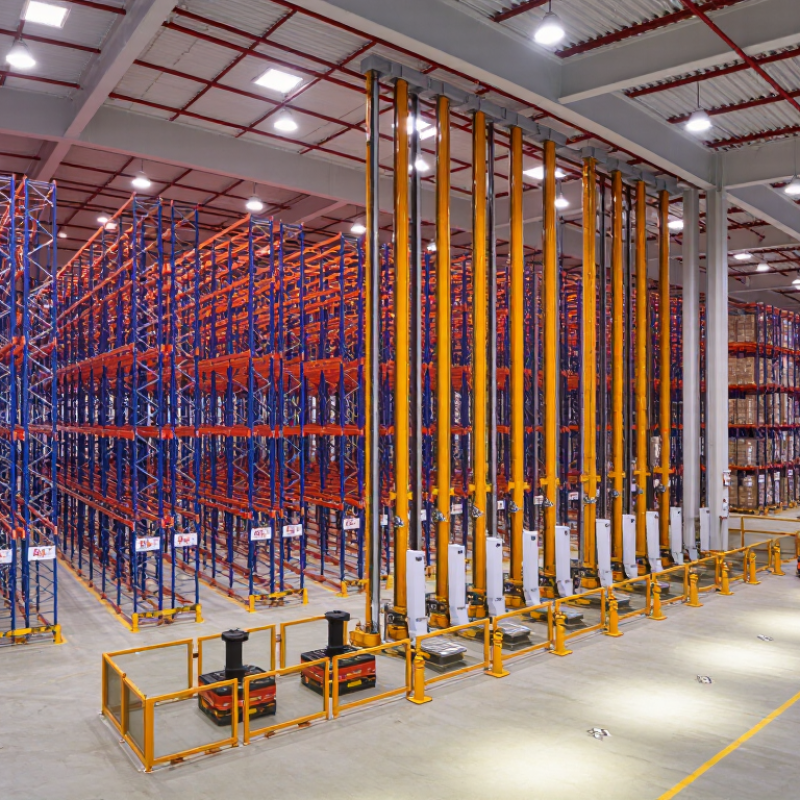
What Is a Racking System and Why Does Manufacturer Selection Matter?
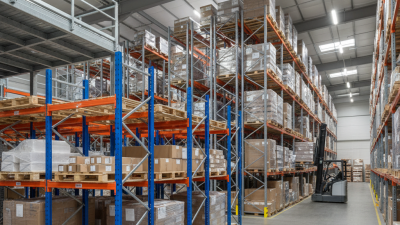
A racking system is a structural storage framework for pallets, cartons, or long materials. It combines upright frames, beams, connectors, decking, guards, and anchoring components. Unlike ordinary shelving, pallet racking must withstand repeated loading, forklift impacts, and changing warehouse conditions. A small beam bend can become a serious operational warning.
Manufacturer selection matters because design errors often remain hidden until the warehouse is busy. The MHI 2024 Annual Industry Report found that 55% of supply chain professionals planned to increase technology investment. That investment needs a stable physical foundation. A qualified manufacturer should verify load ratings, aisle widths, floor conditions, seismic requirements, and corrosion risks. It should also provide tested drawings, material traceability, installation guidance, and inspection procedures. Certifications alone are not enough.
In practical warehouse reviews, I look for clear load plaques and consistent weld quality. I also question vague promises about “heavy duty” performance. The European Logistics Association emphasizes structured risk control across storage operations, while ANSI MH16.1 provides engineering guidance for industrial steel storage racks. Local codes still require careful interpretation. No manufacturer gets every decision right; even a good design may need adjustment after real forklift traffic begins. Cost comparisons should include installation, protection barriers, inspections, repairs, and future expansion. Cheap today can become restrictive tomorrow. Load data must be honest. Safety depends on it.
Racking System Types: Access, Density, and Manufacturer Selection
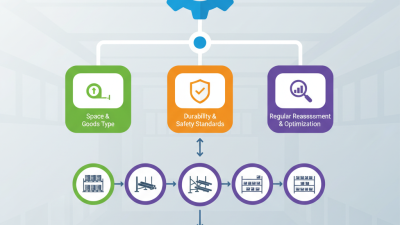
Different racking systems balance pallet accessibility and storage density in different ways.
Selective pallet racking provides direct access to every pallet, while drive-in and mobile systems
generally increase storage density but may reduce access speed. A qualified manufacturer should
match the system design with warehouse layout, load requirements, inventory rotation, safety
standards, and future expansion plans.
How China’s Racking System Manufacturing Industry Has Developed
China Top 10 Racking System Manufacturers?
China’s racking system industry has developed alongside rapid logistics expansion. According to the China Federation of Logistics and Purchasing, China’s total social logistics volume reached 352.4 trillion yuan in 2023, increasing 5.2% year on year. This growth pushed warehouses toward taller, denser, and more automated storage layouts.
The change is visible on factory floors. Earlier projects often focused on basic pallet frames and manual forklift access. Newer systems combine adjustable beams, shuttle lanes, carton flow sections, and digital inventory controls. Interact Analysis reported continued strong growth in China’s warehouse automation market through 2024, supported by e-commerce, manufacturing, and cold-chain demand. Rack manufacturers now need more than welding capacity. They must calculate load limits, aisle clearance, floor tolerance, and seismic conditions.
Quality remains uneven.
In practical procurement, drawings should match the delivered steel, coating thickness, and anchor positions. Independent load testing and clear inspection records reduce avoidable risk. Chinese standards and international specifications are increasingly used together, especially for export projects. However, some suppliers still present capacity claims without enough test evidence. That gap deserves scrutiny. A lower quotation may hide thinner steel, weaker bracing, or incomplete installation guidance. The industry is becoming more professional, but its development is not perfectly even. Data accuracy, worker training, and after-sales engineering still require serious improvement.
What Criteria Define China’s Top Racking System Manufacturers?
China’s top racking system manufacturers should be judged by evidence, not export volume alone. The strongest suppliers show tested load data, traceable steel certificates, and documented quality controls. EN 15512 and FEM 10.2.02 provide useful benchmarks for structural design and safety. ISO 9001 certification helps, but it does not replace factory audits or site inspections.
Capacity matters. Details matter more.
A professional supplier should explain beam deflection, upright testing, pallet dimensions, seismic conditions, and corrosion protection. MHI’s 2024 Annual Industry Report identifies labor availability and operational efficiency as major supply-chain pressures. Therefore, racking should support forklifts, conveyors, and future automation without forcing expensive rebuilding. Independent reports from Fortune Business Insights also project continued growth in the global warehouse racking market, increasing demand for reliable, scalable systems.
Real experience often appears in small details: numbered components, readable welds, clean powder coating, and packaging that prevents scratched uprights. Ask for inspection records and installation tolerances. A low quotation can look attractive. It can also hide thinner steel, unclear tolerances, or weak after-sales support. No factory is perfect; even experienced buyers can overvalue price and undervalue maintenance. The better assessment compares total cost, replacement access, delivery consistency, and documented performance across similar warehouse projects. Supplier claims need checking. That is where professional judgment begins.
Profiles of China’s Top 10 Racking System Manufacturers
China’s top 10 racking system manufacturers reflect a broad industrial ecosystem, not one uniform production model. Grand View Research estimates the global warehouse racking market will expand steadily through 2030, driven by e-commerce, cold-chain logistics, and distribution automation. China remains central to this supply chain because manufacturers combine steel processing, modular design, and large-volume fabrication.
The ten profiles show distinct strengths. Some specialize in selective pallet racks for fast-moving inventory. Others focus on shuttle systems, drive-in storage, or automated high-bay warehouses. Several provide mezzanines, carton-flow racks, and custom platforms for factories. Their strongest common feature is engineering depth: load calculations, seismic considerations, beam testing, and warehouse software integration. Practical experience matters here. A rack may look robust, yet poor floor flatness can affect shuttle performance.
Automation is becoming more influential. Interact Analysis has reported continued global investment in warehouse automation, especially for labor-intensive fulfillment operations. Chinese manufacturers increasingly offer stacker-crane systems, mobile racks, and robotic interfaces. However, “top” should not mean the lowest quotation. Long-term value depends on corrosion protection, installation control, spare-part access, and documented safety inspections. This point is sometimes overlooked.
The profiles also reveal limitations. Export documentation and local certification practices can vary. Some suppliers publish impressive capacity figures without explaining testing conditions. Buyers should request drawings, material certificates, warranty terms, and references from comparable facilities. A careful audit remains necessary. That is less exciting, but more reliable.
How to Choose the Right Chinese Racking System Manufacturer
Choosing among China’s top racking system manufacturers requires more than comparing catalog prices. Start with your warehouse reality: pallet dimensions, beam spans, forklift clearance, floor strength, and seismic conditions. Ask for stamped drawings and a load calculation signed by a qualified engineer. A serious manufacturer should explain steel grades, welding controls, surface treatment, and allowable deflection in plain language. Request production photos, but do not rely on photos alone. They can be old.
Visit the factory, or hire an independent inspection company. Audit raw steel certificates, cutting accuracy, weld penetration, coating thickness, and packaging. Request a sample bay before placing the full order. Measure upright holes, beam connectors, and frame squareness. Small errors become expensive during installation. Check whether quoted capacity includes safety factors and supports local codes. A cheap offer is not always efficient. I have seen specifications look complete while missing anchoring details. That gap deserves written clarification.
Evaluate communication after signing the contract. Ask for a named project manager, revised drawings, spare parts policy, installation guidance, and response times. Review references from warehouses with similar loads and climate. Verify export experience through documents, not promises. Compare lead time, payment milestones, warranty scope, and inspection rights. Keep every technical change in writing. If a supplier resists independent checks, pause the purchase. Trust matters, but evidence protects it. The right partner is not always the largest factory; it is the one that repeatedly delivers safe, traceable, accurately documented equipment.