Blog

Top Pipe Racks Manufacturers for Global Buyers

Choosing the right pipe racks manufacturer can influence safety, installation speed, and long-term plant performance. Global buyers need more than attractive product photos or low quotations. They should examine engineering capacity, fabrication quality, delivery records, and after-sales support. A reliable supplier can provide load calculations, shop drawings, material certificates, welding procedures, and inspection reports. These documents help buyers compare suppliers with greater confidence.

Pipe racks support process lines, electrical trays, instruments, and maintenance access across industrial facilities. Their design must reflect pipe weight, thermal movement, wind pressure, seismic conditions, corrosion exposure, and future expansion. Experienced manufacturers can explain how steel grades, bracing layouts, coatings, and connection details affect project results. Factory visits can also reveal practical details, such as plate storage, weld traceability, dimensional checks, and protective packaging. Small details matter.

However, no manufacturer is ideal for every project. A company with strong domestic experience may struggle with export packaging, unfamiliar standards, or remote site coordination. Published certifications are useful, but they do not replace independent verification. Buyers should request project references, inspect quality records, and clarify responsibilities before signing contracts. Delivery promises also deserve careful review, especially when ports, customs, or modular transport create delays. This guide compares leading pipe racks manufacturers through technical expertise, production capability, international experience, and customer reliability. Some conclusions may remain imperfect because public information is uneven. That limitation should encourage careful research, not careless assumptions.
Top Pipe Racks Manufacturers for Global Buyers

What Pipe Racks Are and Why Global Industries Use Them

Top Pipe Racks Manufacturers for Global Buyers

What Pipe Racks Are and Why Global Industries Use Them

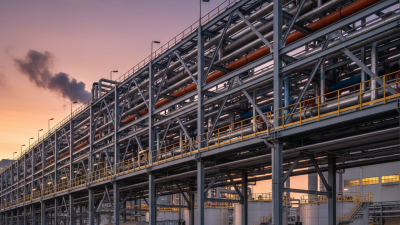
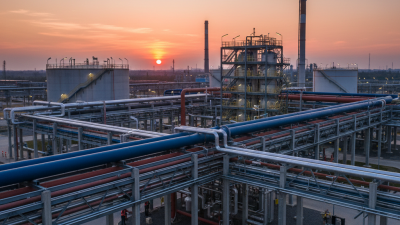
Pipe racks are elevated structural frames that support process pipes, electrical trays, and utility lines. They keep services organized above operating areas, roads, and equipment. On industrial sites, these steel corridors often run for hundreds of meters. Their open design also allows technicians to inspect valves, supports, and connections more easily.

Global industries use pipe racks because plants need safe, flexible routing. Refineries, power stations, chemical facilities, and manufacturing sites may carry steam, cooling water, fuel, and compressed air through one area. A properly planned rack reduces ground congestion and leaves space for future expansion. It can also simplify maintenance by giving workers clearer access. Small details matter.

Experienced engineers check pipe weight, thermal movement, wind loads, seismic conditions, and corrosion risks before fabrication. They also review drainage, fire access, lifting points, and clearance for vehicles. Local climate changes the design. Coastal projects may require stronger corrosion protection, while cold regions need attention to brittle materials and snow loads.

For global buyers, reliable manufacturers should provide detailed drawings, material traceability, weld inspection records, and clear installation guidance. Factory quality checks are valuable, but they cannot replace careful site supervision. A rack may look strong and still create maintenance problems if access was ignored. No layout is perfect. Good suppliers accept revisions, document changes, and help engineers correct practical weaknesses before delivery.

Main Types of Pipe Racks and Their Industrial Applications

Pipe racks are structural systems that support pipes above operating areas, roads, and equipment. Their design affects safety, access, drainage, and maintenance.

Stationary pipe racks are common in refineries, chemical plants, power stations, and water-treatment facilities. They use steel or reinforced concrete frames for permanent pipe routes. Multi-level racks separate process lines, utility pipes, electrical trays, and instrument cables. This arrangement saves ground space and supports clearer inspection paths. Proper spacing also reduces heat transfer between hot and sensitive lines.

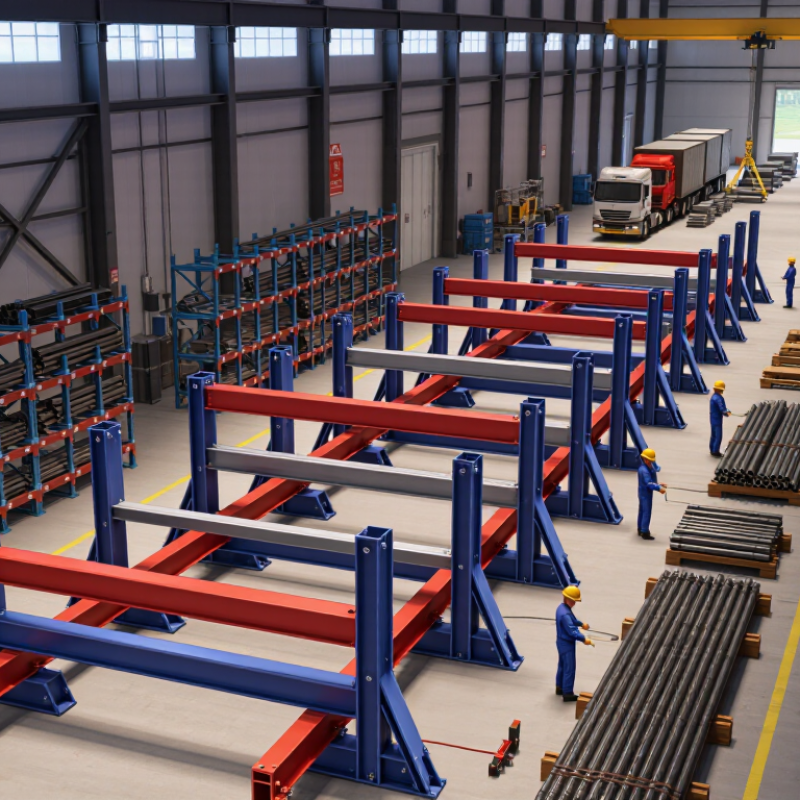
Modular pipe racks suit projects with changing layouts or tight construction schedules. Their prefabricated sections can be assembled near the worksite, reducing installation time and field cutting. Adjustable racks work well in manufacturing plants, food-processing facilities, and expanding utility rooms.

Cantilever racks support pipes along walls or narrow corridors. Rolling racks are useful for temporary maintenance zones, workshops, and testing areas. They provide flexibility but need stable floors and controlled movement.

Material choice depends on load, temperature, corrosion exposure, and local engineering requirements. Galvanized steel performs well in many outdoor environments, while stainless steel suits aggressive conditions. Engineers should check vibration, thermal expansion, fire access, and future pipe additions. A common mistake is designing only for current loads. In practice, no layout stays perfect. Even a small drain line can complicate access when support spacing is too tight. Reliable manufacturers should provide load data, fabrication tolerances, installation guidance, and traceable quality records.

Key Standards for Evaluating Pipe Rack Manufacturers

Evaluating pipe rack manufacturers requires more than comparing prices. Start with engineering competence and documented project experience. Ask for calculations covering dead loads, thermal expansion, wind, seismic forces, and maintenance access. Designs should reference recognized requirements, including ASCE 7, AISC 360, AWS D1.1, or equivalent local standards. A supplier that cannot explain load combinations clearly may create expensive field changes.

Material control is equally important. World Steel Association data reports global crude steel production at about 1.89 billion tonnes in 2023. That scale makes traceability essential, not optional. Review mill certificates, heat numbers, coating records, and welding qualifications. ISO 9001 certification supports process control, but it does not prove fabrication quality. The ISO Survey 2022 recorded more than 1.26 million ISO 9001 certificates worldwide. Certification alone is not enough.

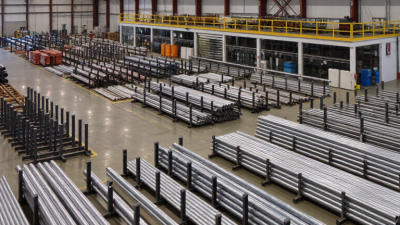
Inspect production capacity through evidence, not photographs. Request inspection and test plans, nonconformance records, dimensional reports, and recent delivery data. Confirm whether the manufacturer performs trial assembly before shipment. Small alignment errors can become serious problems during installation. Check corrosion protection against the project environment, including coastal salt, chemicals, and temperature changes. Factory visits are useful, though they can still show only one carefully prepared day. A balanced evaluation should score engineering, welding, traceability, logistics, safety, and after-sales response separately. No scorecard is perfect. Use it anyway, then challenge its assumptions.

Top Pipe Racks Manufacturers for Global Buyers - Key Standards for Evaluating Pipe Rack Manufacturers

Evaluation Dimension Recommended Standard or Reference What Global Buyers Should Verify Objective Acceptance Benchmark Suggested Weight Required Evidence
Structural Design Capability AISC 360 or EN 1993-1-1; project-specific design basis Whether the manufacturer designs for dead, operating, wind, seismic, thermal, friction and occasional loads Signed calculations cover all governing load combinations and required serviceability checks 20% Stamped calculation package, design criteria, load map and connection details
Piping Flexibility and Support Coordination ASME B31.3 or ASME B31.1, according to service Coordination between pipe stress, support spacing, anchor points, guides, shoes and structural members Pipe-support reactions and thermal movements are traceable from the piping stress model to the rack design 15% Pipe-support schedule, reaction loads, flexibility summary and coordinated 3D model or drawings
Material Traceability Applicable ASTM, EN or project material specifications; EN 10204 inspection documents Whether structural sections, plates, bolts and consumables can be traced to purchase orders and heat numbers 100% of critical load-bearing materials have matching certificates and identification records 10% Material test certificates, heat-number register, receiving inspection and nonconformance records
Welding Quality ISO 3834; AWS D1.1/D1.1M or EN 1090-2, as specified Qualification of welding procedures, welders, inspection personnel and repair processes Approved WPS/PQR, qualified welders and an inspection plan matching the project specification 15% WPS/PQR records, welder qualifications, weld maps, NDT reports and repair logs
Dimensional and Fit-Up Control Approved fabrication drawings; applicable EN 1090-2 or project tolerances Control of member straightness, hole locations, base-plate geometry, splice alignment and rack modularity Inspection records demonstrate compliance with approved drawings and specified fabrication tolerances 10% Inspection and test plan, dimensional reports, calibrated tool records and trial-assembly results
Corrosion Protection ISO 8501-1 for surface preparation; ISO 12944 for protective coating selection Suitability of galvanizing, paint or duplex systems for atmospheric corrosivity and operating temperature Specified preparation grade, coating system, dry-film thickness and holiday or adhesion checks are documented 10% Coating procedure, surface-preparation report, environmental readings and thickness measurements
Bolting and Connection Control RCSC Specification or EN 1090-2; ASTM F3125/F3125M where applicable Correct bolt grade, tightening method, washer arrangement, slip-critical requirements and inspection approach Connection design, bolt certificates and tightening records are consistent with the approved drawings 8% Connection calculations, bolt certificates, torque or tension records and inspection checklists
Quality Management System ISO 9001:2015 Control of design changes, purchasing, subcontractors, inspections, nonconformities and corrective actions A current, independently certified quality system with records applicable to the project scope 7% Valid certificate, quality manual summary, audit findings and sample corrective-action records
Inspection and Testing Capability Project inspection and test plan; ISO 9712 for NDT personnel where applicable Availability of qualified inspectors, calibrated equipment and independent testing support All hold points, witness points and specified NDT activities are completed before release 3% Inspector qualifications, calibration certificates, NDT reports and signed release notes
Documentation and Digital Coordination Project document control procedure; agreed BIM or CAD exchange format Completeness of drawings, bills of materials, revision control, as-built information and installation instructions Approved documents are revision-controlled and delivered with a complete manufacturing data book 2% Document register, sample drawings, model files, transmittals and final data-book index
Evaluation note: The suggested weights are a practical procurement framework. Final acceptance criteria should be aligned with the project design basis, governing jurisdiction, service conditions, seismic category, fire protection requirements and contractual specifications.

Leading Regions and Manufacturers Serving International Buyers

Pipe rack manufacturers serving international buyers are concentrated in East Asia, South Asia, Europe, and North America. These regions combine steel capacity, engineering talent, and established export logistics. The World Steel Association reported global crude steel production at about 1.89 billion tonnes in 2023. China, India, Japan, and the United States remained major producers, creating strong fabrication networks for industrial structures.

Regional strengths differ. East Asian suppliers often provide competitive pricing and modular fabrication for refineries, chemical plants, and power projects. South Asian manufacturers are increasingly active in engineering, procurement, and construction support. European fabricators usually emphasize EN standards, traceable welding procedures, and complex retrofit work. North American suppliers commonly align with ASME, AWS, and project-specific safety requirements. Buyers should verify load calculations, coating systems, mill certificates, and inspection records before comparing prices.

Demand is also shaped by new energy and process infrastructure. The IEA’s World Energy Investment 2024 report projected global energy investment above 3 trillion dollars, with clean-energy investment exceeding 2 trillion dollars. Many related facilities still require heavy pipe-support systems. UNCTAD reports that maritime transport carries over 80% of global merchandise trade by volume, making export packaging and port access important selection factors. A low quotation can hide weak documentation or difficult installation. That risk is easy to underestimate.

How Global Buyers Can Select and Source Pipe Racks Safely

Top Pipe Racks Manufacturers for Global Buyers

Global buyers should evaluate pipe rack manufacturers through evidence, not polished catalog pages. Request drawings showing dimensions, beam profiles, connection details, and maximum load per level. Ask how loads were tested and whether results are documented by an independent inspection body.

Material traceability matters. Reliable manufacturers can provide steel grades, coating specifications, welding procedures, and batch records. Check whether production follows recognized structural standards and whether documents match the destination country’s requirements. A factory visit, video audit, or third-party inspection can reveal storage conditions, measuring tools, and actual workmanship.

Safety also depends on logistics. Confirm packaging for long steel members, moisture protection, lifting points, and container loading plans. Clarify tolerances before production begins. A small mismatch at installation can create expensive delays. It happens.

Compare quotations carefully. A low price may exclude testing, drawings, spare fasteners, or corrosion protection. Ask for a sample inspection report and references for similar projects. Check payment terms, warranty coverage, replacement procedures, and communication response times. Written records protect both sides.

Do not rely on one approval certificate. Verify its scope, issuing organization, validity, and connection to the quoted product. A checklist helps, but it cannot replace engineering judgment. Even experienced buyers can overlook local wind, seismic, or fire-protection conditions. Have a qualified engineer review the final design before purchase and installation.