Blog
What Is US Overseas Warehouse DDP Delivery?
US Overseas Warehouse DDP Delivery describes a fulfillment method that combines local inventory with seller-managed delivery responsibilities. Goods are stored in a warehouse within the United States, then shipped to the customer through domestic carriers. In strict trade usage, DDP means Delivered Duty Paid. The seller manages international transportation, import clearance, duties, and applicable taxes until delivery at the agreed destination.
This model can make cross-border purchasing feel simple. A customer may place an order online and receive a tracking update within hours. The parcel could leave a warehouse in California, pass through a regional sorting center, and arrive at a residential address in Ohio two days later. Sellers benefit from shorter delivery distances, clearer shipping estimates, and fewer customs surprises. Buyers usually avoid handling import paperwork themselves.
However, the term requires careful review. Some businesses use “DDP” loosely for products already stocked in America. That wording may hide important differences in tax treatment, responsibility, or final-mile service. A reliable provider should explain the delivery point, return process, carrier coverage, and charge structure in writing. Product classification also matters, especially when regulations differ between states or product categories.
US Overseas Warehouse DDP Delivery is not automatically the cheapest option. Storage fees, handling charges, insurance limits, and unsold inventory can reduce its advantages. Experienced logistics teams compare these costs before recommending a solution. They also verify shipping records and service agreements. The practical lesson is clear: convenience depends on accurate documentation, transparent pricing, and realistic delivery promises. Mistakes happen, and responsible planning should admit that.
Definition and Core Meaning of US Overseas Warehouse DDP Delivery
What Is US Overseas Warehouse DDP Delivery?
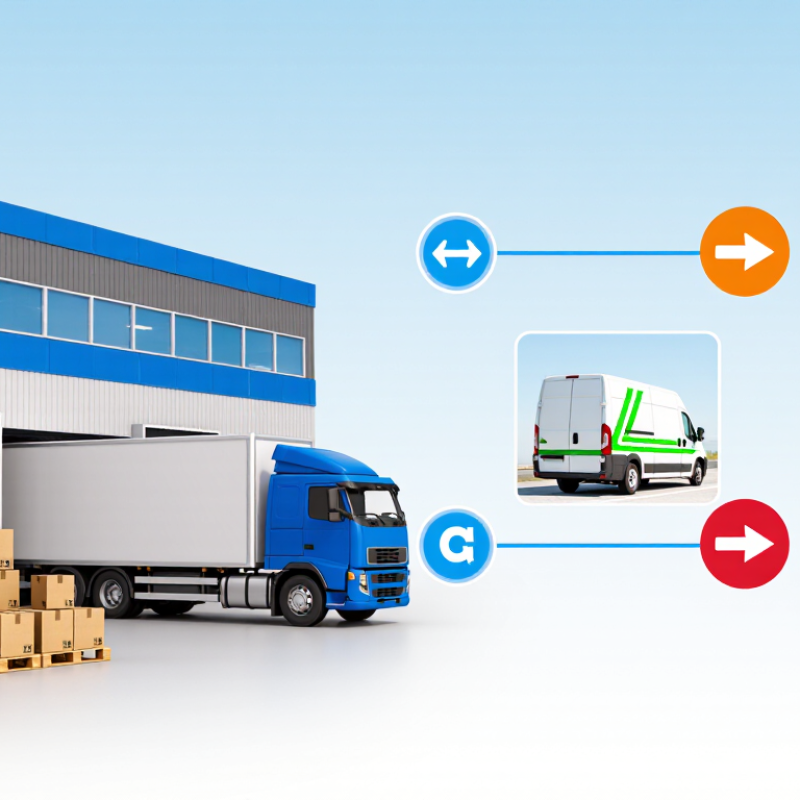
US overseas warehouse DDP delivery means goods are stored in a warehouse located in the United States. The seller arranges delivery to the buyer’s named address. Under Delivered Duty Paid rules, the seller generally manages export procedures, import clearance, duties, and applicable taxes. The buyer usually receives the parcel without paying separate import charges upon delivery.
The core meaning is cost and responsibility control. For example, a product may leave a US warehouse in a domestic delivery vehicle. However, the seller must have handled the earlier international shipment and import process. The seller also carries the delivery risk until the goods reach the agreed destination, ready for unloading. This arrangement can make costs easier to estimate. It may also shorten delivery time.
DDP is not a magic label. Duties, state taxes, customs records, and address restrictions still require careful checking. A seller should confirm the named delivery place, included charges, and treatment of returns in writing. Product classification must also be accurate. A wrong description can create delays or unexpected costs, even when DDP appears on the order.
The process sounds simple. It is not always simple.
In practice, warehouse staff should match inventory records with invoices and shipping documents. Buyers should review whether the quoted price truly includes every promised charge. The term can reduce confusion, but only when both parties define it precisely.
Key Parties and Responsibilities in the DDP Delivery Process
What Is US Overseas Warehouse DDP Delivery?
DDP, or Delivered Duty Paid, means the seller manages delivery to the buyer’s agreed US address. Under ICC Incoterms 2020, the seller handles export procedures, transportation, import clearance, duties, and applicable taxes. The buyer usually receives the parcel without paying customs charges at the door. No surprise invoice.
The seller is the control point. It must classify products correctly, prepare commercial documents, calculate landed costs, and replenish warehouse inventory. A missing harmonized code can delay a shipment or create an unexpected duty bill. The overseas warehouse operator receives cartons, scans stock, picks orders, and records returns. Its accuracy matters. The carrier moves freight between ports, warehouses, and homes. A customs broker may support entry filing, but the seller remains responsible for the DDP promise.
The process reflects wider logistics pressure. UNCTAD’s Review of Maritime Transport 2023 states that ships carry over 80% of global merchandise trade by volume. The U.S. Census Bureau reported that e-commerce represented 16.1% of total U.S. retail sales in 2024. That volume makes warehouse visibility essential. A buyer expects a clean doorstep handoff, not a customs lesson. In practice, DDP is not frictionless. Tax registrations, product classification, and return handling still require careful review. A barcode may scan correctly while the inventory count remains wrong. That uncomfortable gap deserves attention.
What Is US Overseas Warehouse DDP Delivery?
Key parties and responsibilities in the DDP delivery process under Incoterms® 2020
Under Delivered Duty Paid (DDP), the seller generally manages the shipment from export preparation through delivery to the agreed destination, including import clearance and applicable import duties and taxes. The buyer normally receives the goods and handles unloading unless otherwise agreed.
Responsibility allocation is based on the standard Incoterms® 2020 DDP structure. Local customs rules, tax requirements, and the sales contract may create additional obligations.
Step-by-Step Journey from Overseas Warehouse to Final Customer
What Is US Overseas Warehouse DDP Delivery?
A US overseas warehouse DDP delivery begins when inventory reaches a local storage facility. The warehouse team checks cartons, quantities, labels, and product condition. Accurate records matter here. A small counting error can delay everything later.
After a customer places an order, staff pick the items from assigned shelves. They scan each product, pack it with suitable protection, and print the shipping label. The parcel then moves through a domestic carrier network. Under DDP terms, the seller usually manages delivery costs, import clearance, duties, and taxes before the parcel reaches the customer. This creates a clearer checkout experience. However, the exact responsibility depends on the sales contract and destination rules.
Tracking updates appear as the parcel leaves the warehouse, reaches a sorting center, and enters final-mile delivery. The customer may receive the package at a home, office, or authorized delivery location. Reliable operators verify restricted destinations, product descriptions, and tax documents before dispatch. They also protect customer data during order processing. The process sounds simple, but it is not perfectly smooth. Inventory counts can lag behind actual stock. Weather, address errors, or customs questions may still cause delays. Experienced teams review exceptions daily instead of trusting software blindly. That human check often catches a missing apartment number or a damaged outer carton before delivery.
Taxes, Customs, Shipping Costs, and Risk Allocation Under DDP
What Is US Overseas Warehouse DDP Delivery?
DDP, or Delivered Duty Paid, places the broadest delivery obligations on the seller. Under ICC Incoterms 2020, the seller arranges transport, export procedures, import clearance, duties, and delivery to the agreed destination.
The buyer usually receives one landed price. That price should include freight, customs brokerage, import duties, and applicable taxes. Not every tax is automatically included. State-level sales tax may depend on registration, inventory location, and the transaction structure.
Customs accuracy remains critical. The US Customs and Border Protection reported more than one billion de minimis shipments in fiscal year 2023. High volume does not remove classification risk. Incorrect product descriptions, values, or country-of-origin data can cause delays and unexpected charges.
DDP is not a tax loophole. It is a contractual allocation of responsibility. The seller normally carries risk until delivery, unlike some arrangements where risk transfers earlier. A warehouse receiving scan is not always proof of completed delivery.
Shipping cost pressure is also real. The World Bank’s 2023 Logistics Performance Index ranked customs efficiency and infrastructure among key supply-chain performance factors. Small errors can become expensive when storage, inspection, redelivery, or demurrage applies.
In practice, a clear commercial invoice, consistent tariff codes, and documented importer authorization matter more than the DDP label. A useful warning: a low quoted price may exclude local tax, residential delivery, or return handling. That assumption is convenient, but incomplete.
Advantages, Limitations, and Suitable Use Cases for Businesses
What Is US Overseas Warehouse DDP Delivery?
US overseas warehouse DDP delivery combines local inventory storage with Delivered Duty Paid shipping. The seller moves products into a U.S. warehouse, then manages domestic delivery, import duties, and applicable taxes. Customers usually receive one landed price without unexpected border charges. The process feels simple. However, the seller remains responsible for accurate classification, documentation, and compliant import arrangements. DDP is a commercial term, not a substitute for professional customs advice.
The main advantage is speed. Local fulfillment can reduce delivery distance and improve stock availability.
The U.S. Census Bureau reported approximately $1.19 trillion in U.S. retail e-commerce sales for 2024. That scale makes faster fulfillment commercially important.
Transparent pricing may also reduce checkout hesitation. Baymard Institute reports that 39% of abandoned carts involve extra costs that are too high. Still, DDP can compress margins. Storage, inbound freight, customs fees, taxes, pick-and-pack charges, and returns accumulate quickly. The model is not automatically cheaper.
This approach suits businesses with predictable U.S. demand, compact products, and repeat orders. It can support seasonal campaigns when inventory forecasts are reliable. It is less suitable for fragile products, uncertain demand, or highly varied product configurations.
NRF and Appriss Retail estimated $890 billion in U.S. merchandise returns during 2024. A local warehouse can simplify returns, but unsold stock still creates cash-flow pressure.
Teams should test order volume, duty exposure, return rates, and warehouse service levels before scaling. One overlooked detail can erase the delivery advantage.