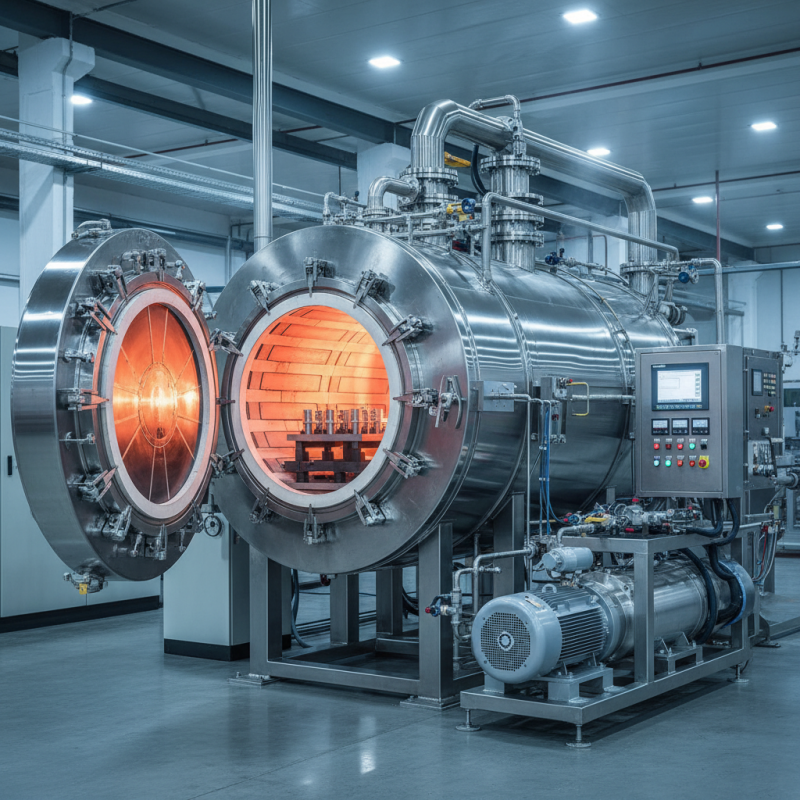
What is a Vacuum Brazing Furnace and How Does it Work?
A Vacuum Brazing Furnace is a specialized equipment used in various industries. It plays a crucial role in the brazing process, which joins metals through melting a filler material. The furnace operates under a vacuum to eliminate oxidation. This environment enhances the quality of the bond.
Understanding how a Vacuum Brazing Furnace works is vital for manufacturers. It requires precision and optimal conditions for successful metal bonding. The vacuum environment ensures that impurities do not compromise the joint integrity. This technology has gained popularity due to its reliability and efficiency.
However, not all operations are perfect. Challenges can arise in temperature control and material compatibility. Manufacturers must constantly refine their processes. This reflection is essential for achieving superior results in metal joining. With a focus on innovation, the Vacuum Brazing Furnace will continue to evolve, meeting industry needs.
What is a Vacuum Brazing Furnace?
A vacuum brazing furnace is a specialized piece of equipment used in metal joining processes. It operates under a vacuum environment to inhibit oxidation. This process is crucial for high-performance materials, especially in aerospace and automotive industries. A recent industry report suggests that vacuum brazing is gaining traction due to its ability to create strong and durable joints without contaminants.
Vacuum brazing involves heating materials in a controlled atmosphere. The temperatures can exceed 1,100 degrees Celsius, ensuring that the filler metal flows effectively between joints. This method often results in better mechanical properties and enhanced performance of the final products. It is noted that companies utilizing vacuum brazing have reported up to a 30% increase in joint strength compared to traditional techniques.
Tips: Always ensure that the vacuum levels are maintained before the brazing starts. Any contaminants can compromise the integrity of the joints. Regular maintenance of the furnace is vital for optimal performance. Monitoring the furnace's temperature uniformity is also essential to avoid weak spots in your assemblies. Remember that even small fluctuations can lead to significant differences in quality.
What is a Vacuum Brazing Furnace and How Does it Work?
| Feature | Description |
| Heating Method | Electric resistance heating or induction heating. |
| Operating Pressure | Typically operates under a vacuum of 10^-2 to 10^-3 Torr. |
| Temperature Range | Usually between 400°C to 1200°C depending on materials. |
| Applications | Used for joining metals, creating braze joints in aerospace, automotive, and electronics. |
| Advantages | Minimized oxidation, lower mechanical stress, and enhanced joint strength. |
| Types of Materials | Suitable for various metals including stainless steel, copper, and nickel alloys. |
| Cycle Time | Cycle times can range from 30 minutes to several hours based on the process. |
The Principles of Vacuum Brazing Technology
Vacuum brazing is a sophisticated process. It joins metals using a filler material. This is done in a controlled vacuum environment. The absence of oxygen prevents oxidation. As a result, high-strength joints are possible. This technology is widely used in aerospace and automotive applications.
The principles of vacuum brazing rely on heat and pressure. The furnace heats the components uniformly. This promotes even melting of the filler metal. It also requires precise temperature control. Variations can lead to weak joints. Often, incorrect settings result in defects. Operators must be well-trained to manage these variables.
After the brazing process, cooling occurs in the vacuum. This helps to solidify the joint without exposure to contamination. While vacuum brazing offers many advantages, it is not foolproof. High cost and technical complexity can be challenging. Understanding these principles is crucial for anyone involved in manufacturing. Proper training and experience are key to success in this field.
Key Components of a Vacuum Brazing Furnace
A vacuum brazing furnace is essential for high-precision metal joining. It operates in a controlled environment, which prevents oxidation. The high vacuum level ensures that impurities are minimized during the brazing process. According to a market report, the global vacuum brazing furnace market is expected to reach USD 1.2 billion by 2026, indicating strong growth in industries requiring reliable joins.
Key components include the vacuum chamber, heating elements, and control systems. The vacuum chamber is where the parts are placed. Its design significantly impacts the quality of the join. The heating elements, often made of durable materials, heat the chamber to the necessary temperatures. Interestingly, achieving uniform heating is a common challenge. Many users report difficulties in maintaining temperature consistency, which can lead to uneven joints.
Control systems play a crucial role in monitoring the furnace's performance. They regulate temperature and vacuum levels, ensuring optimal conditions throughout the process. However, the calibration of these systems can sometimes be imperfect. Reports indicate that over 15% of operators experience issues with system reliability. Investing in training can mitigate these challenges and improve operational efficiency.
The Brazing Process: Step-by-Step Explanation
The brazing process involves several precise steps, crucial for creating strong, durable bonds between metals. First, the components are cleaned to remove contaminants that could hinder adhesion. This step is vital. Next, a filler metal with a lower melting point is chosen. The filler is placed between the parts to be joined.
Once prepped, the assembly is placed in a vacuum brazing furnace. The furnace removes air and moisture, creating an ideal environment. The temperature then rises to the melting point of the filler metal. This phase requires careful monitoring to avoid overheating. Overheating can lead to unwanted reactions or weakened joints.
After reaching the desired temperature, the filler flows into the joint. Cooling follows, solidifying the bond. This process yields strong, reliable connections that can withstand various stresses. It's essential to optimize the furnace settings for different materials.
**Tips:** Monitor temperature closely during brazing. Small variations can affect the joint quality. Regular maintenance of the furnace ensures consistent performance over time. Additionally, consider testing joints for durability. This helps identify areas needing improvement, allowing for better future results. It's all about refining the technique to achieve the best outcomes.
Vacuum Brazing Furnace Temperature vs. Time
Applications and Benefits of Vacuum Brazing Furnaces
Vacuum brazing furnaces play a crucial role in various manufacturing processes. They are primarily used to join different metals together at high temperatures in a controlled environment. These furnaces eliminate air and moisture, preventing oxidation, which enhances the quality of the joints produced.
The applications of vacuum brazing are diverse. Industries like aerospace, automotive, and electronics rely heavily on these furnaces. They help in producing strong, durable connections that withstand extreme conditions. Additionally, vacuum brazing maintains the integrity of components, ensuring they function effectively in demanding environments.
Tip: When selecting a vacuum brazing furnace, consider the specific materials involved in your project. Material compatibility greatly influences the outcome of your brazing process.
The benefits of using vacuum brazing furnaces are significant. They provide excellent mechanical strength and minimize the risk of contamination. This technology often leads to a reduction in post-brazing clean-up time. However, the initial investment in vacuum brazing equipment can be considerable, and companies need to weigh the long-term benefits against upfront costs.
Tip: Regular maintenance of the furnace is essential for optimal performance. Neglecting this can lead to unexpected issues and downtime.
By focusing on the right applications and benefits, manufacturers can maximize the effectiveness of vacuum brazing. Understanding its nuances helps in navigating potential challenges, leading to successful outcomes in production.