Best Industrial Racking Solutions for Global Buyers?
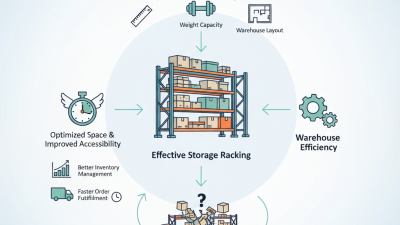
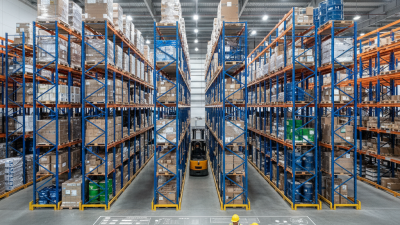
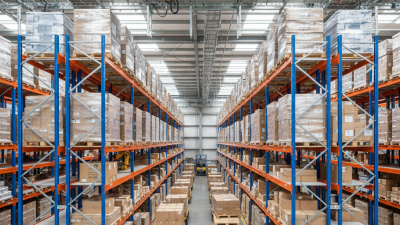
In the ever-evolving landscape of logistics, industrial racking systems play a pivotal role. They are essential for optimizing warehouse space and ensuring operational efficiency. For global buyers, selecting the right industrial racking solution can seem daunting. With numerous options available, understanding specific needs becomes crucial.
Effective industrial racking must balance durability and flexibility. Buyers should consider the types of materials used and their ability to withstand varying loads. Poorly chosen systems can lead to inefficiencies and safety concerns. It’s important for buyers to evaluate their inventory and future needs carefully.
The best industrial racking solutions not only store products but also enhance workflow. Investing time in research is vital. Engaging with experts can illuminate options that align with business goals. Reflecting on past choices can guide informed decisions. Reliable solutions will ultimately pay off in productivity and safety.
Types of Industrial Racking Systems Available Globally
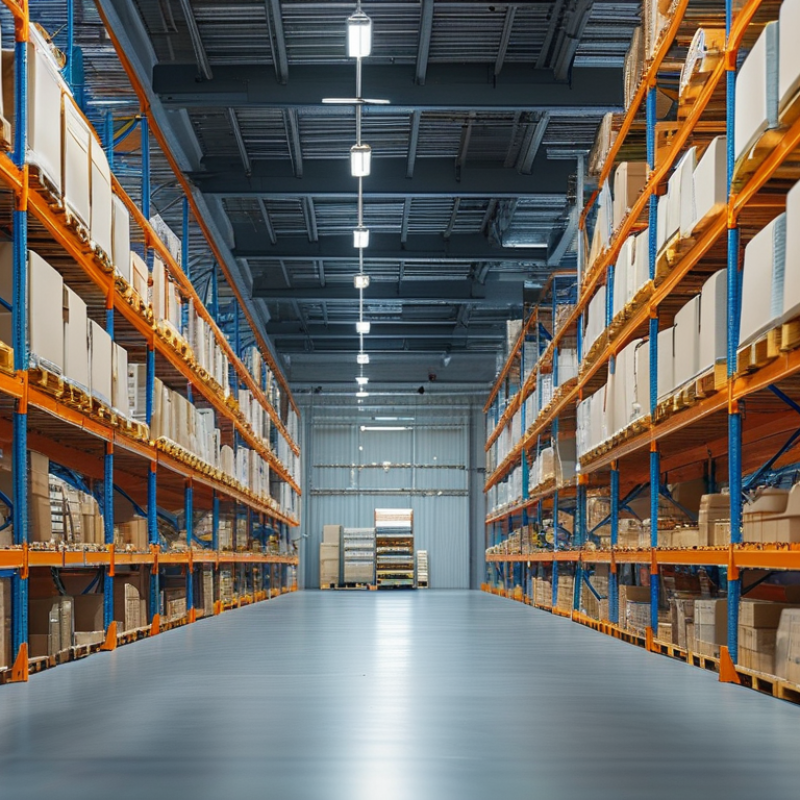
Industrial racking systems have become essential for businesses worldwide. They provide effective storage solutions for various industries. Several types of racking systems are available, each designed to meet specific needs.
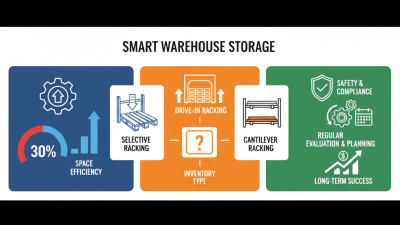
Selective racking is one of the most common types. It allows for easy access to individual pallets. This system is efficient for warehouses with a wide range of products. Drive-in and drive-through racking systems offer high-density storage. They maximize space by allowing forklifts to drive directly into the racking. However, they are less flexible when it comes to accessing specific items.
Another option is pallet flow racking. This system utilizes gravity-fed rollers. It ensures a first-in, first-out method for inventory management. Though it maximizes space, it may require careful planning and layout. Each type of racking has its own advantages and challenges. Understanding these details is crucial for optimal warehouse operations.
Key Considerations for Choosing Industrial Racking Solutions
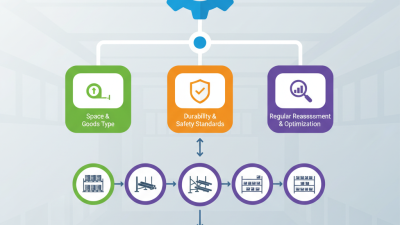
Selecting the right industrial racking solution involves careful consideration. Space utilization is crucial. Assess the available floor space and ceiling heights. Think about the types of products needing storage. Items may vary in size and weight, impacting racking choice. Different racking systems cater to these variations. For example, pallet racks suit heavy products, while shelving works for lighter items.
Safety is another key factor. Effective racking must meet safety standards. Regular inspections of the racking system will help identify potential risks. It’s essential to train staff on safe loading and unloading practices. Consideration for access is important, too. Ensure aisles are wide enough for equipment and personnel to navigate safely.
Durability plays a significant role in long-term value. Look for materials that withstand wear and tear. Frequent use can degrade some racking systems quickly. Choosing robust materials may increase initial costs, but can save money in the long run. Reflect on your operational needs. Regularly revisit your racking solution to ensure it adapts to changes in inventory or business growth.
Benefits of Using High-Quality Racking Systems in Warehouses
In modern warehousing, high-quality racking systems play a crucial role. A well-structured racking solution can enhance space efficiency by up to 30%, allowing warehouses to store more with less. Additionally, data from the Warehousing Education and Research Council highlights that effective racking systems can reduce picking times by 25%. This leads to faster order fulfillment and improved customer satisfaction.
Investing in durable racking also minimizes safety hazards. A study by the National Safety Council indicates that structured storage solutions can decrease workplace accidents significantly. When warehouses operate safely, employee morale improves, leading to higher productivity. However, not all racking systems are created equal. Some may not withstand heavy loads, requiring careful evaluation and ongoing maintenance.
Flexibility in design is another benefit. As businesses evolve, their storage needs change. Modular racking systems can be easily customized to adapt to varying inventory types and sizes. But, this adaptability can lead to complications if not properly managed. Poorly configured systems can create inefficiencies and confusion. Thus, while high-quality racking offers numerous advantages, continuous assessment is necessary to maximize their potential.
Best Industrial Racking Solutions for Global Buyers
| Racking Type |
Load Capacity (kg) |
Application |
Benefits |
Cost (USD) |
| Selective Pallet Racking |
3000 |
General Storage |
Easy accessibility, high flexibility |
800 |
| Drive-In Racking |
4000 |
High-Density Storage |
Maximized storage space, reduced handling |
900 |
| Cantilever Racking |
2000 |
Long or Bulky Items |
Versatile, easy to load/unload |
750 |
| Mobile Racking |
5000 |
Compact Storage |
Space-saving, increased storage density |
1200 |
| Push Back Racking |
3500 |
FIFO Inventory |
Efficient stock rotation, high capacity |
1100 |
Global Suppliers of Industrial Racking: A Comparative Analysis
When exploring industrial racking solutions, global buyers often face numerous options. Each supplier offers unique features and specifications. Analyzing these differences can help businesses make informed choices tailored to their needs. For instance, some suppliers may specialize in heavy-duty racking systems, ideal for storing bulky goods. Others might focus on compact designs, optimizing warehouse space efficiency.
Reliability is crucial when selecting a racking supplier. Companies should assess their reputation based on client feedback and project outcomes. Comparing installation times and maintenance services is also important. Some suppliers may offer warranties, which can mitigate risks associated with racking failures. However, not all vendors provide after-sales support—this can lead to increased costs down the line.
Lastly, environmental considerations are becoming more prominent. Some suppliers emphasize sustainable materials. Buyers may find it challenging to balance sustainability with cost-effectiveness. An ideal racking solution should align with a company's values while meeting operational demands. Staying updated on industry trends can facilitate better decision-making for effective warehouse management.
Comparative Analysis of Industrial Racking Solutions
Future Trends in Industrial Racking Solutions and Technology
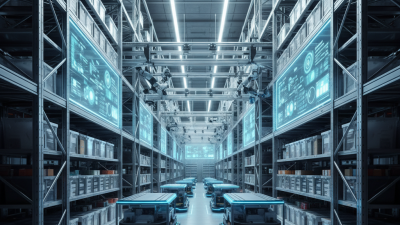
The future of industrial racking solutions is evolving rapidly. New technologies play a crucial role in improving efficiency. Automated systems and smart racking are on the rise. These innovations enhance storage capacity and reduce labor costs. The integration of IoT devices allows real-time monitoring and inventory tracking. This is not just about efficiency; it ensures accuracy too.
Sustainability is becoming increasingly important. Many companies are considering eco-friendly materials in their racking systems. This trend reflects a broader commitment to environmental responsibility. While these solutions are appealing, challenges remain. The upfront costs can be significant. Businesses must weigh the long-term savings against initial investments.
Another aspect involves safety regulations and compliance. As racking systems become more advanced, understanding these requirements is essential. Training staff to operate new technologies can be daunting. Organizations may need time to adjust fully. The journey towards modern industrial racking is not without its hurdles, requiring constant evaluation and adaptation.