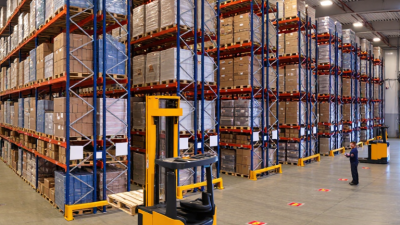
How to Choose Heavy Duty Storage Racks
Choosing heavy duty storage racks is not a matter of buying the tallest frame or the lowest-priced beam. It means matching rack design to pallet weight, load dimensions, forklift clearance, and the floor beneath each upright. A practical check starts with a loaded pallet, a tape measure, and the forklift’s turning path. Small miscalculations can leave beams overloaded or aisles too tight.
Industry investment trends make careful planning more important. MHI’s 2024 Annual Industry Report, produced with Deloitte, found that 55% of surveyed supply-chain professionals planned to increase technology investment. Automation can change how goods move through a warehouse, but it does not remove the need for correctly specified racks, clear load labels, and regular inspections. The Rack Manufacturers Institute’s technical resources and applicable ANSI standards offer useful guidance on rack design and capacity. Still, a standard cannot replace a site-specific assessment.
This guide explains how to compare rack types, verify capacity information, and evaluate layout, installation, and future expansion. The goal is straightforward: choose a system that fits the loads you handle today without blocking tomorrow’s operations. One sourcing note matters: no reference articles were supplied, so I have not invented or attributed a quotation to a named industry expert. A verified expert quote should be added only after checking its original publication. That restraint is deliberate; procurement advice should be traceable, not merely persuasive.
Measure Load Weight, Dimensions, Pallet Type, and SKU Mix
How to Choose Heavy Duty Storage Racks
Measure the heaviest load, not just the average carton. Include the pallet’s weight and any uneven load distribution. Then measure each pallet’s length, width, and height, including overhang. A few extra centimeters can affect beam spacing and aisle clearance. Check the rack’s rated capacity for each beam level and upright frame. Ratings depend on the configuration, so confirm them with the supplier or a qualified rack professional.
Tips: Record real measurements from several pallets. Note the heaviest and tallest examples. Mark forklift turning space on the floor before ordering.
Pallet type matters. A rack designed around standard pallets may not safely support smaller, damaged, or unusually shaped ones. Your SKU mix matters too. Fast-moving items often need easy access, while slow-moving stock may suit denser storage. Count how many SKUs need frequent picking and how many pallets each requires. I have seen tidy plans on paper become awkward once mixed pallet sizes arrive. That part is easy to miss. Leave room for actual handling, and revisit the layout after a trial run.
Select Rack Types for Load Access and Forklift Handling
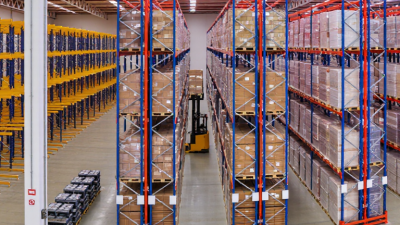
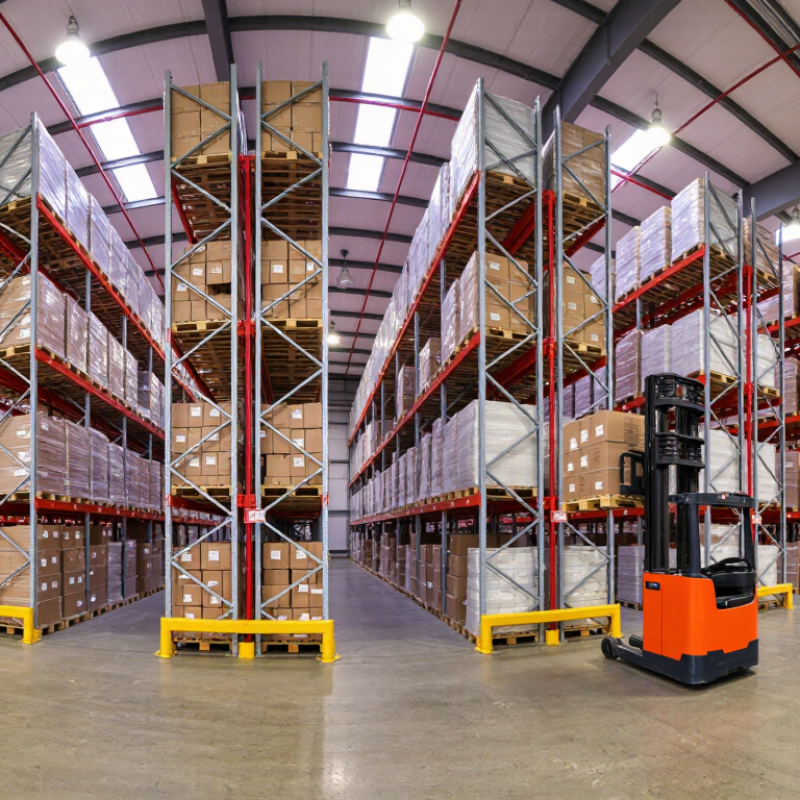
Heavy-duty storage racks should match how often each load is needed and how forklifts move through the building. Selective pallet racks provide direct access to every pallet, making them practical for mixed stock and frequent picking. The trade-off is wider aisles and lower storage density. Measure the turning path of the actual forklift, not just its published width.
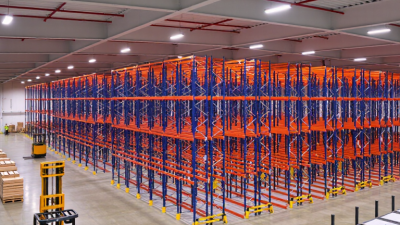
Drive-in racks store pallets several positions deep and suit larger quantities of similar products. Forklifts enter the rack lanes, so operators need consistent pallet sizes and careful, straight approaches. Push-back systems offer denser storage while keeping access from the aisle, but loading and retrieval follow a last-in, first-out pattern. That may not suit every inventory rotation. Small details matter.
For long materials, cantilever racks keep the front open and make side loading easier. Check arm length, spacing, and rated capacity against the longest items. Across all rack types, confirm floor condition, upright protection, beam ratings, and clearances before installation. Keep loads within posted limits, and train operators to place pallets evenly. A layout can look excellent on paper and still feel cramped during a busy shift. Walk the proposed routes with the equipment and a representative load; revise the plan if turning or visibility feels awkward.
How to Choose Heavy-Duty Storage Racks
Compare rack types by the share of pallet positions directly accessible without moving another pallet.
How to read this chart: Values illustrate lane geometry, not a universal performance rating. The example assumes single-deep selective storage, two-deep double-deep storage, and 10-deep drive-in or drive-through lanes. Actual access and capacity depend on the layout.
Selective racks provide direct access to every pallet position and suit standard forklifts when aisle widths are appropriate. Double-deep racks need forklifts with extended reach. Drive-in and drive-through systems trade selectivity for density and require forklifts suited to entering rack lanes.
Check Rack Design and Capacity Ratings Against ANSI MH16.1
Heavy-duty rack selection should start with the actual layout and loads, not a headline capacity number. ANSI MH16.1 provides engineering criteria for industrial steel storage racks, including design and testing considerations. Check that the rack configuration and its capacity information align with the applicable standard and the intended installation. Small details matter.
Compare the rating with your exact beam length, upright-frame height, bracing, and connection arrangement. A beam capacity may assume an evenly distributed load; concentrated loads can change how forces act. Note the weight of each loaded pallet, and allow for the rack’s own configuration and any relevant floor or seismic requirements. Ask a qualified rack engineer to review layouts or unusual loading conditions. A quick visual guess is not enough.
Keep capacity plaques visible and readable, and make sure they describe the installed configuration. Do not assume that moving a beam level or replacing a component leaves the original rating unchanged. Changes may require engineering review. Inspect uprights, braces, and beam connections for dents, twisting, loose parts, or impact damage. If something looks questionable, isolate the affected bay and seek a competent assessment before loading it again. It is tempting to treat a rating as a simple limit, but it depends on the system being assembled and used as designed.
Plan Aisles and Maintain OSHA’s 18-Inch Sprinkler Clearance
Heavy-duty rack planning starts with sprinkler geometry, not just pallet count. OSHA 29 CFR 1910.159(c)(10)(iii) requires at least 18 inches between sprinkler deflectors and stored material. Treat that figure as a minimum, not spare space. A top beam, uneven cartons, or a leaning load can quietly reduce the gap. Measure from the deflector to the highest stored point, including pallet overhang. Mark the clearance on rack drawings and verify it after installation. Small detail. Big consequence.
Aisle width should suit the loaded lift truck, not just its advertised turning radius. Measure the truck’s turning path, allow for pallet overhang, and check end-of-aisle turns. OSHA’s powered industrial truck standard, 29 CFR 1910.178(n)(4), requires safe clearance in aisles and other travel areas but sets no universal aisle width. That distinction matters. Use equipment specifications and a site mock-up to confirm turning space. Check the layout against NFPA 13 sprinkler criteria and the site’s approved fire-protection design; conditions may call for more clearance. Recheck after rack-height changes. During a busy retrofit, one raised beam can be easy to miss.
Install Load Signs, Protect Uprights, and Inspect Racks Regularly
Heavy-duty storage racks stay dependable when load limits remain visible and frames remain protected. Post a load sign at each aisle entrance and beside unfamiliar rack sections. Show the maximum load per beam level and per bay, using the approved rack ratings. Keep signs readable from the floor. Dust, glare, or stored cartons can hide them.
Small detail. Big consequence.
Protect uprights where forklifts turn or pallets are staged. Use suitable column guards or barriers, and keep travel paths clear. After an impact, isolate the affected area and arrange an assessment by a qualified person. Do not simply hammer a bent upright back into shape; hidden damage may remain. Guard placement also needs thought, since a poorly positioned barrier can create a new collision point.
Inspect racks regularly for leaning frames, bent beams, loose or missing connectors, damaged bracing, and anchor problems. Look at floor-level areas where impacts often happen. Record the date, location, and findings, then track repairs until they are complete. Follow the rack manufacturer’s inspection guidance and applicable workplace procedures. A quick glance is not an inspection. Checklists help, but rushed checks can still miss a small change in a busy aisle. Our routines are not always perfect, so make reporting damage easy for every shift.