Blog
Top Warehouse Pallet Racks for Global Buyers?
Choosing the right warehouse pallet racks is not simply a price comparison. Global buyers must match rack design with load weight, pallet dimensions, aisle width, and handling equipment. A rack that performs well in a dry warehouse may fail in a humid coastal facility. Small details matter, such as upright thickness, beam connectors, floor anchors, and protective guards. They are easy to overlook.
This guide examines leading pallet rack options for international purchasing teams. It considers selective racks, drive-in systems, double-deep layouts, and automated storage designs. Each system offers practical advantages, but none fits every operation. Selective racks provide direct pallet access, while drive-in racks improve density for similar products. Buyers should request stamped drawings, load tables, material specifications, and installation instructions before ordering. Supplier audits, sample inspections, and clear warranty terms also reduce avoidable risk. Compliance requirements vary by location, so local engineering review remains important. That step is sometimes skipped. It should not be.
The discussion also looks at corrosion resistance, seismic considerations, delivery planning, and after-sales support. A reliable supplier should explain limitations instead of promising universal performance. Reference projects, independent certifications, and transparent testing records can strengthen confidence. Still, paperwork alone cannot replace a careful site survey. Measure the floor. Check the forklifts. Confirm the real pallet weight. These practical checks help global buyers select warehouse pallet racks that are safer, more durable, and better suited to daily operations.
What Warehouse Pallet Racks Are and How They Improve Storage
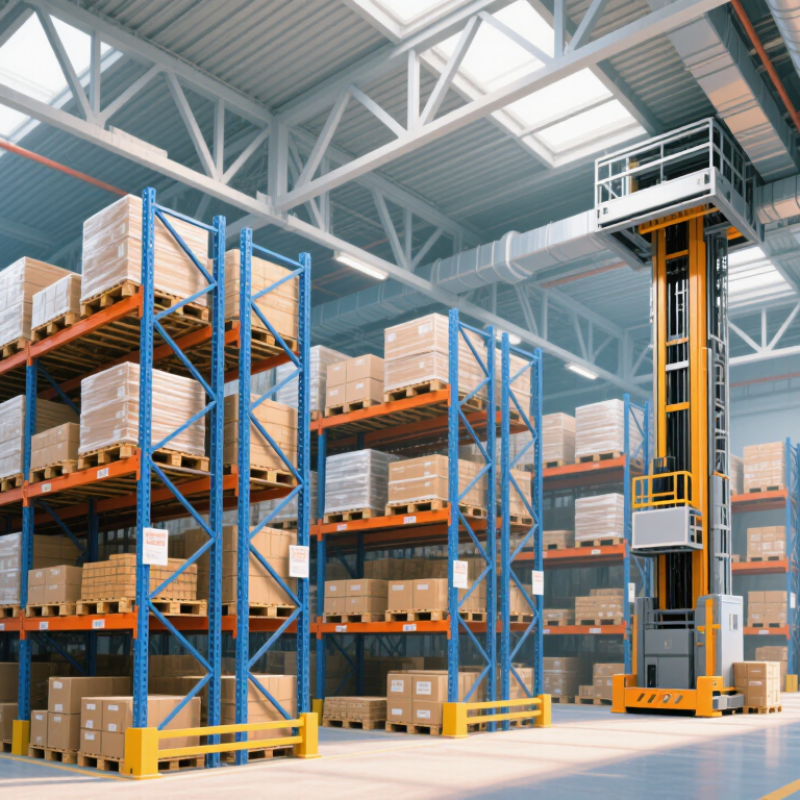
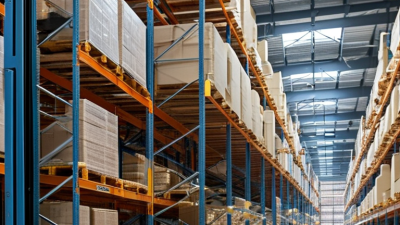
Warehouse pallet racks are steel storage systems designed to hold goods on pallets above the floor. Upright frames carry vertical loads, while horizontal beams support each pallet level. Wire decking or solid panels can create a more stable surface. The arrangement leaves clear spaces for forklifts and workers.
In practical warehouse planning, pallet racks improve storage by using height instead of expanding the floor area. A well-designed layout can separate fast-moving goods from reserve stock. It can also create clearer picking routes and reduce unnecessary handling. Yet the rack itself is not a complete solution. Load ratings must match the pallet weight, dimensions, and stacking pattern. Evenly distributed loads matter.
Small details matter.
Aisle width should suit the handling equipment, not just the available space. Protective guards can reduce damage near corners and forklift lanes. Adjustable beams help accommodate changing inventory, but frequent changes require careful review. I have seen layouts waste valuable capacity because beams were set too low for actual pallets. That mistake is easy to overlook.
Routine inspections should check bent uprights, loose connections, damaged beams, and unstable pallets. Staff need practical training on loading limits and safe movement. Poor labeling can also create confusion, especially during busy receiving periods. Pallet racks improve storage when engineering, daily discipline, and maintenance work together. The cheapest layout may not remain the most efficient one.
How to Match Rack Types to Goods, Space, and Handling Equipment
Top Warehouse Pallet Racks for Global Buyers?
How to Match Rack Types to Goods, Space, and Handling Equipment
Selecting pallet racks starts with the goods, not the rack catalog. Heavy, uniform pallets often suit selective racking with direct access to each load. Fast-moving products may need flow lanes, while cold rooms require finishes and clearances suited to low temperatures. Fragile cartons need stable support and careful beam spacing.
Measure twice. A warehouse handling narrow-aisle trucks needs tighter layouts and accurate aisle widths. Counterbalance trucks require more turning space, especially near loading doors. Check pallet dimensions, load weights, ceiling height, floor condition, and sprinkler clearance before confirming a design. Small measurement errors can create daily delays.
Leave room.
Operators need safe visibility and comfortable movement. In practice, a dense rack plan can look efficient but slow down picking. I have seen storage capacity improve while travel time became worse. That trade-off deserves review. Adjustable beams provide flexibility, but they cannot correct weak pallets or uneven loading. Use documented load data, inspect frames and connections regularly, and train operators on impact reporting. A qualified local engineer should verify the final layout, because building conditions and handling habits vary widely.
Key Load, Safety, and Compliance Standards for Global Buyers
Top Warehouse Pallet Racks for Global Buyers
For global buyers, the best pallet rack is not always the cheapest or tallest option. Its rated load must match each pallet position, beam level, and complete bay. Request tested load tables, structural drawings, material specifications, and installation instructions before placing an order. Pallet weight should include packaging, not only the product. This detail is often missed.
Safety depends on the warehouse environment. Check forklift clearance, aisle width, floor strength, anchoring, and seismic or wind exposure. Upright guards can reduce damage from daily impacts. Wire decking helps prevent unstable pallets from falling through beam levels. Clear load signs should remain visible after installation. They should show permissible loads, not vague warnings. In real inspections, damaged frames and altered beams create serious uncertainty.
Compliance is more than a certificate. Ask whether the design follows applicable regional requirements, such as EN 15635 or ANSI/RMI guidance, where relevant. Local building, fire, and workplace rules may still require additional review. Confirm inspection intervals, repair procedures, corrosion protection, and replacement-part traceability. Independent engineering checks are valuable for unusual loads or high seismic zones. Do not assume one document covers every country. That assumption can fail. Buyers should also verify installer competence, because a compliant design can become unsafe after poor assembly. Even careful specifications may need revision when actual pallet dimensions, forklift behavior, or floor conditions differ from the original plan.
How to Compare Materials, Features, Prices, and Long-Term Costs
Choosing pallet racks by purchase price alone can create expensive problems. Compare steel thickness, beam capacity, frame depth, and coating quality. Powder-coated steel suits dry warehouses, while galvanized finishes handle humidity better. Ask for tested load ratings, not optimistic sales estimates.
The Rack Manufacturers Institute recommends capacity labels and regular inspections. OSHA also requires stored materials to remain stable and avoid creating hazards. A bent upright beside a forklift lane is not a minor defect.
Features affect labor and future flexibility. Adjustable beams can support changing carton sizes, while reinforced frames improve impact resistance. Wider aisles may reduce storage density but improve forklift movement.
MHI’s 2024 Annual Industry Report identifies labor shortages as a continuing supply-chain challenge, making simple installation and safer access financially relevant. Calculate total cost across ten years. Include anchors, inspections, repairs, relocation, corrosion control, and downtime. A cheaper rack can become costly after one warehouse redesign. My own comparison would still question optimistic service-life claims.
Tips: Request engineering drawings, load tables, warranty terms, and replacement-part prices. Measure clear height, floor condition, aisle width, and seismic exposure before ordering. Compare cost per pallet position, not cost per frame. Keep inspection records with dates and photographs. One overlooked detail can change the result.
How to Choose Suppliers, Plan Installation, and Maintain Rack Systems
Top Warehouse Pallet Racks for Global Buyers?
Choosing a rack supplier requires more than comparing steel prices. Request load tables, engineering drawings, material certificates, warranty terms, and installation references. Ask whether the supplier can adapt designs to local seismic, fire, and building requirements. The 2024 MHI Annual Industry Report found that 55% of respondents planned to increase automation investment. Therefore, buyers should confirm compatibility with conveyors, scanners, and future handling equipment. A cheap rack may become an expensive obstacle.
Installation begins with the floor. Verify slab capacity, flatness, anchor positions, aisle width, and forklift turning space before delivery. Coordinate rack heights with sprinkler clearance and emergency routes. Use approved drawings and documented anchor-torque checks. OSHA estimates that forklifts cause about 85 fatalities and 34,900 serious injuries each year in the United States. Poor layout can increase that risk. Small errors matter.
Maintenance needs visible discipline. Label every bay with its safe working load, and remove damaged components from service. Conduct visual checks after impacts, unusual noise, or load changes. A documented inspection by a competent rack professional should follow a defined schedule. FM Global Data Sheet 8-34 stresses coordination between storage arrangements and fire protection systems. That detail is often missed. I would also review the plan after six months, because real traffic rarely matches the original drawing.
Top Warehouse Pallet Racks for Global Buyers
Common pallet footprints are a critical starting point when selecting rack depth, beam spacing, aisle clearance, and installation equipment. The dimensions below are nominal pallet sizes aligned with internationally recognized pallet-size conventions.
Planning note: Confirm the actual pallet dimensions, load weight, rack beam capacity, forklift turning radius, fire-protection requirements, and local safety regulations before installation. Rack systems should also be inspected regularly for impact damage, deformation, loose components, and overloaded positions.
Related Posts
-
Why Choose Pallet Shelving for Your Warehouse Storage Needs
-
What Is Pallet Shelving and How Does It Work?
-
What Are Pallet Rack Beams and How Do They Work?
-
China Best Warehouse Racking System Suppliers?
-
What Are the Top Warehouse Racking Manufacturers in China?
-
How to Choose the Best Industrial Storage Solutions for Your Business Needs