What Are the Top Types of Racking Shelves?
Choosing racking shelves is not just a matter of fitting more pallets into a warehouse. The right system affects access, picking speed, floor-space use, and safe day-to-day operations. MHI’s 2024 Annual Industry Report, based on a survey of supply-chain professionals, examines growing interest in automation and other supply-chain technologies. Its findings underline a practical point: storage layouts need to support changing workflows, not just current inventory. The report does not rank rack designs, so choosing a system still requires site-specific assessment.
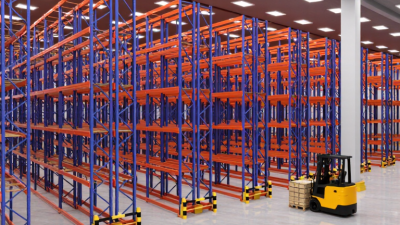
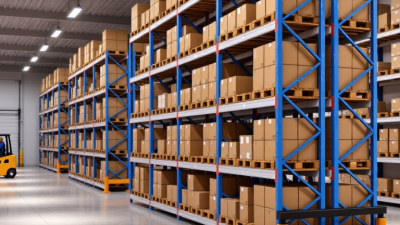
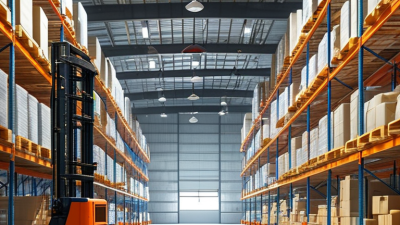
The main options serve different jobs. Selective pallet racks give forklifts direct access to each pallet, while drive-in systems trade selectivity for denser storage. Push-back and pallet-flow racks can support higher throughput when inventory rotation and loading patterns suit them. Cantilever racks handle long items such as pipe or lumber; shelving units suit cartons, bins, and smaller parts. Details matter. A narrow aisle may save space but require compatible equipment. A deep lane may increase capacity but reduce access to individual pallets. That trade-off is easy to underestimate.
This guide compares the top racking shelves by capacity, selectivity, space efficiency, and typical use. It also flags what to verify before installation, including load ratings, pallet dimensions, forklift clearances, and floor conditions. No rack type is best everywhere. Treat the examples as a starting point, then confirm specifications with a qualified rack supplier or storage engineer.
How Racking Shelves Are Classified by Load and Access
Racking shelves are best classified by two practical questions: how much weight each level carries, and how workers reach the goods. For load, light-duty shelving suits cartons and hand picking; pallet racking supports heavier unit loads handled by forklifts. The rating must cover each beam level and the complete bay, not just one pallet. The Rack Manufacturers Institute’s ANSI MH16.1 specification sets structural design requirements for steel storage racks; actual capacity still depends on the rack configuration, condition, and installation.
Access changes storage density. Selective racks offer direct access to every pallet, but use more aisle space. Drive-in racks trade selectivity for compact storage, while pallet-flow racks move cartons or pallets toward the picking face. MHI’s 2024 Annual Industry Report draws on responses from more than 2,000 supply-chain professionals, documenting broad attention to technology and operational change. That is useful context, not a rack-selection formula.
Measure actual pallet weights, forklift turning needs, and stock rotation before choosing.
Small details matter.
One planning blind spot is assuming the heaviest load is always the hardest case; awkward pallet dimensions or frequent picking can make access the real constraint. Capacity labels should remain visible, and damaged uprights need assessment before continued use.
Selective Pallet Racking for Direct Access to Every Load
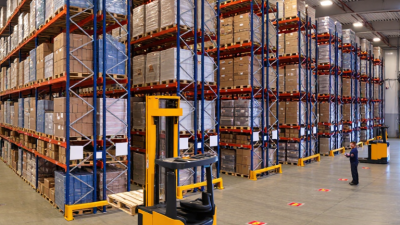
Selective pallet racking suits warehouses handling many SKUs with frequent, varied picks. Each pallet has a direct aisle-facing position, so operators can reach a chosen load without moving another pallet. That matters when orders mix slow-moving cartons, seasonal stock, and full pallets. A forklift turns into the aisle, lifts from the beam level, and returns the pallet to the same bay. Simple. But every accessible position consumes aisle space, so capacity per square foot may be lower than in dense, deep-lane systems.
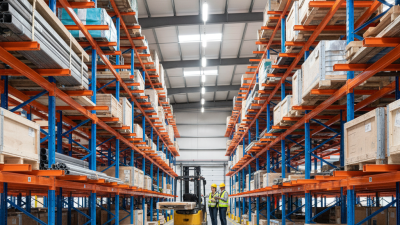
The 2024 Annual Industry Report from Material Handling Industry, based on a survey of more than 1,000 supply-chain professionals, reported that 55% expected to increase investment in supply-chain innovation. This is not a rack-performance benchmark, but it shows why layouts should accommodate changing operations. Map SKU velocity, pallet dimensions, forklift turning radii, and clear heights before setting bay spacing. Check fit first. Mark pedestrian routes and sprinkler clearances, too. I would test the busiest pick path with a real forklift, not just a drawing. Small mismatches can create awkward reversals. Review beam ratings and document inspections for impact damage; damaged uprights are not merely cosmetic. Selective racking is flexible, but not automatically optimal. Slow-moving stock may suit deeper storage, while high-access lines benefit from direct access.
Drive-In, Drive-Through, and Push-Back Racking for Dense Storage
Drive-in, drive-through, and push-back racking trade direct access for denser storage. Drive-in racks use one aisle, with forklifts entering the structure to place pallets on rails. This suits products stored in larger batches, but retrieval is typically last-in, first-out. Drive-through racks have access at both ends, allowing loading on one side and picking from the other. That can support first-in, first-out rotation. It also requires clear traffic rules.
Push-back racking stores pallets on nested carts. A forklift places each new pallet from the front, moving earlier pallets back along the lane. Picking reverses the sequence, so the system generally operates last-in, first-out. It offers better selectivity than deep drive-in lanes, though carts and pallet condition need regular checks. MHI’s 2024 Annual Industry Report found that 55% of respondents planned to increase supply-chain technology investment over the next two years. Better inventory data can help manage dense layouts, but it cannot fix poor pallet discipline.
Tips: Match the rack to product rotation and pallet consistency. Test turning space with the actual forklift. Measure the usable depth, not just the footprint. A dense layout can look efficient on paper—and still slow down picking.
Pallet Flow and Carton Flow Racking for First-In, First-Out Stock
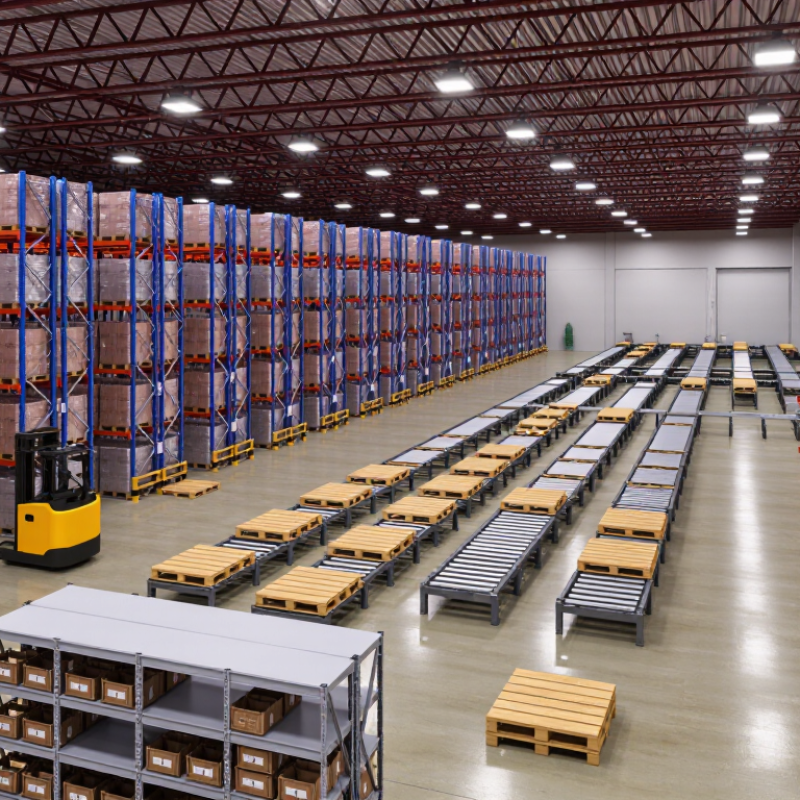
Pallet flow racking uses inclined roller lanes, letting full pallets move forward as operators remove the front load. New pallets enter from the rear, supporting first-in, first-out rotation without powered movement. Carton flow applies the same principle to smaller cases, totes, and hand-picked items. A warehouse team might replenish cartons from the aisle behind the pick face, then watch each case glide forward. Keep lanes dedicated to a single SKU; mixed products can quietly break FIFO discipline.
Flow systems suit goods with steady turnover and clear date or lot controls. They can also reduce walking, but only when replenishment keeps pace with picking. There is a catch. Carton weight, packaging friction, and pallet quality affect movement, so test real loads before specifying rollers or lane angles. MHI’s 2024 Annual Industry Report found that 55% of respondents planned to increase supply-chain technology investment over the next five years. That points to growing interest in visibility, not a guarantee that automation solves stock rotation. Pair flow lanes with routine date checks and inventory records; a blocked roller or rushed refill can still leave older stock stranded.
What Are the Top Types of Racking Shelves? - Pallet Flow and Carton Flow Racking for First-In, First-Out Stock
| Comparison Point |
Pallet Flow Racking |
Carton Flow Racking |
| Typical load unit |
Full pallets containing case or unit loads. |
Individual cartons, totes, or small picking containers. |
| How products move |
Loaded pallets travel down slightly inclined roller or wheel lanes under gravity. |
Cartons or totes move along inclined roller or wheel tracks under gravity. |
| Stock rotation |
Supports first-in, first-out (FIFO) rotation: pallets are loaded from the replenishment side and retrieved from the opposite side. |
Supports FIFO picking: items are replenished from the rear and picked from the front. |
| Common use |
High-volume storage of palletized products, including goods that benefit from stock rotation. |
Order-picking areas for frequently selected cartons, small parts, or packaged goods. |
| Space and access |
Stores multiple pallets deep in each lane and can reduce the number of aisles needed; direct access is generally limited to the lane front. |
Provides organized, accessible pick faces and can reduce picker travel; lane width and depth are set to suit the product and picking method. |
| Replenishment and picking |
Forklifts load pallets at the rear; operators retrieve pallets at the front. |
Staff or replenishment equipment load cartons at the rear; order pickers take products from the front. |
| Key design considerations |
Pallet dimensions, load weight, lane length, roller or wheel selection, slope, and safe operating practices. |
Carton dimensions, weight, base condition, lane width, flow-track selection, and replenishment access. |
| Best suited to |
Operations handling consistent pallet loads with enough throughput to make lane-based storage practical. |
Operations with repeated carton picking and enough item volume to justify dedicated flow lanes. |
Actual lane dimensions, capacities, and performance depend on the rack design, load characteristics, equipment, and site requirements.
Cantilever and Mezzanine Racking for Specialized Storage Needs
What Are the Top Types of Racking Shelves?
Cantilever racking suits long, awkward loads that do not sit neatly on standard shelves. Think timber boards, pipes, or metal sections resting across open arms. With no front uprights, staff can load items from the aisle. Arm length, spacing, and rated capacity should match the actual stock, not a rough estimate. A small mismatch can create overhang or unstable loading. Measure the longest items, and leave room to handle them safely. Space matters.
Mezzanine racking uses vertical space by adding a raised storage or work platform. It can help when a warehouse has clear height but limited floor area. Yet a platform is not just extra shelving. The supporting structure must suit the building’s floor capacity and expected loads. Stairs, guardrails, access points, and goods lifts also affect how people move materials. In practice, the neat drawing can hide awkward traffic patterns. Walk the proposed route with a typical load before settling the layout. That check is easy to skip, and it may reveal a tight turn or blocked aisle. Both systems need clear load limits and routine checks for damage, loose fixings, and changes in stored goods. A layout that works today may need review as inventory changes.