Why Choose Storage Racking for Your Warehouse?
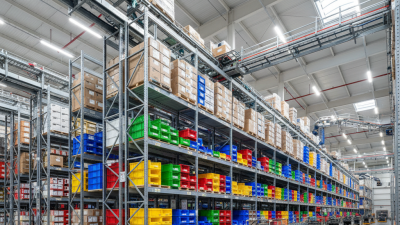
A warehouse can look spacious at floor level yet remain poorly organized above it. Storage racking uses vertical space, helping teams store more products without expanding the building. This matters when inventory grows, aisles narrow, and every misplaced carton costs valuable minutes.
In daily operations, well-planned storage racking creates clearer locations for pallets, cartons, and long materials. Workers can identify stock faster and move equipment through defined aisles. Adjustable beams also support changing inventory sizes. A reliable design begins with accurate load data, product dimensions, handling equipment, and future business needs.
Safety cannot be treated as decoration. Qualified professionals should review the layout, load ratings, anchoring, and local requirements. Regular inspections can reveal bent frames, loose components, or overloaded beams before they become serious problems. Clear labels help employees understand capacity limits. Good training matters too.
Still, storage racking is not a magic fix. A poorly designed system may waste space or slow picking. Some warehouses also underestimate lighting, floor quality, and access routes. That mistake is easy to make. Careful measurement and honest operational feedback usually produce better results than choosing the cheapest option. The right system balances capacity, safety, accessibility, and long-term flexibility. When those details align, storage racking becomes more than steel equipment. It becomes a practical foundation for consistent warehouse performance.
What Is Warehouse Storage Racking?
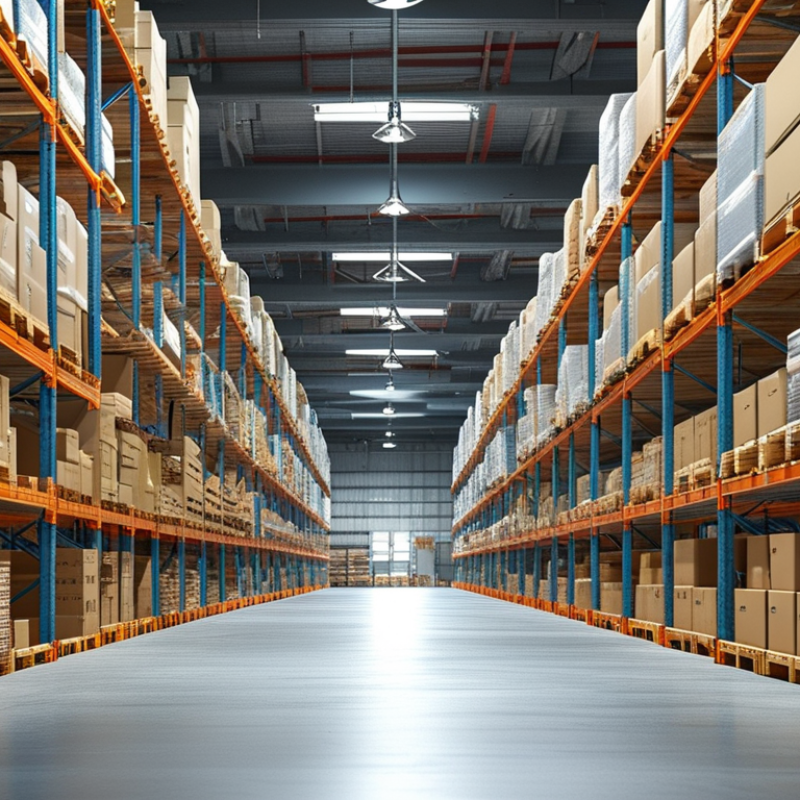
Warehouse storage racking is a steel framework designed to hold goods above the warehouse floor. It uses vertical frames, horizontal beams, and support components to create organized storage levels. In practical terms, it turns unused air space into usable capacity. That matters when incoming cartons begin narrowing forklift aisles.
Different rack designs support different warehouse tasks. Pallet racking holds loaded pallets and allows forklift access from the aisle. Cantilever racking suits long materials, such as pipes, timber, or metal profiles. Shelving works better for cartons, tools, and smaller stock handled by workers. Each system needs an appropriate load rating, bay width, and beam height. A rack should never carry more weight than its stated capacity.
Good planning begins with the inventory, not the equipment. Measure pallet dimensions, ceiling height, aisle space, and handling methods. Leave enough clearance for forklifts and inspection access. Anchoring, upright protection, and visible load notices can reduce avoidable damage. Regular checks should look for bent frames, loose connections, impact marks, and overloaded beams.
Small details matter.
A warehouse manager may choose taller racks to increase capacity, yet that decision can slow retrieval or complicate emergency access. I have seen layouts that looked efficient on paper but created awkward turning points during busy shifts. Storage racking is not simply metal shelving. It is a working structure that must match real traffic, real products, and changing operating conditions. Reassessment is necessary when inventory, equipment, or staffing changes.
How Storage Racking Improves Space Utilization
Why Choose Storage Racking for Your Warehouse?
In practical warehouse audits, storage racking often reveals unused vertical capacity. Pallets sit low, while ceiling space remains untouched. Selective racking can create clear levels above the floor. This improves cube utilization without expanding the building footprint. The 2024 Annual Industry Report by MHI reported that 55% of respondents planned to increase supply chain technology investment. Better racking supports that investment by improving inventory visibility, access, and movement.
Space utilization is not only about adding more pallet positions. Rack depth, aisle width, load height, and retrieval frequency must work together. Narrower aisles may increase capacity, but they can slow picking or require specialized equipment. A poorly planned layout creates congestion. It can also reduce safety margins. The 2023 Warehousing Vision Study reported that 76% of warehouse decision-makers expected operational change from growing order volumes. Adjustable beams help facilities respond as products and demand shift. Still, one layout rarely remains perfect.
Tips: Measure clear ceiling height, column locations, and equipment turning zones before selecting rack dimensions. Use velocity data to place fast-moving goods near dispatch areas. Leave practical clearance for sprinklers and inspections. Review the layout after several weeks of real operation. The spreadsheet may look efficient. The floor may disagree. Cite: MHI, 2024 Annual Industry Report; 2023 Warehousing Vision Study.
Why Choose Storage Racking for Your Warehouse?
How storage racking improves space utilization in a 5,000 m² warehouse layout. This illustrative calculation compares the share of floor area allocated to pallet storage, aisles, and handling or support space.
Key insight: Storage racking uses vertical space and organizes inventory into defined aisles, allowing more floor area to be dedicated to pallet storage while reducing unproductive circulation space.
Calculation basis: 5,000 m² warehouse footprint. Percentages shown are planning assumptions for a conventional floor-stacking layout versus a selective-racking layout, not company or brand performance data.
Which Types of Storage Racking Suit Different Needs?
Why Choose Storage Racking for Your Warehouse?
Which Types of Storage Racking Suit Different Needs?
Choosing storage racking starts with your inventory, not the available wall space. In warehouse planning, I first measure pallet sizes, aisle widths, ceiling height, and forklift turning areas. Measure twice. A small error can reduce usable capacity or create unsafe movement. Selective pallet racking suits warehouses needing quick access to many stock-keeping units. It offers clear locations and simple stock rotation.
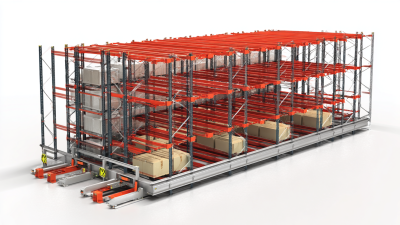
Drive-in racking works better for large quantities of similar products. It uses deeper lanes, but operators cannot reach every pallet immediately. Carton flow racking supports fast-moving cartons and first-in, first-out rotation. Rollers move boxes toward the picking face. Cantilever racking handles long materials, such as pipes, timber, or metal profiles. Its open arms make loading easier, but the base must resist uneven loads.
Mobile racking can increase floor capacity by reducing fixed aisles. However, it may slow access when several orders arrive together. Load ratings must match the actual pallet weight, including uneven or shifting goods. Professional installation, floor checks, guard protection, and routine inspections remain essential. Local workplace requirements should guide the final design. I have seen teams choose the densest system, then regret slower picking. More storage is not always better. Leave room for change. Growth, damaged pallets, and occasional maintenance all need space.
What Factors Guide a Warehouse Racking Decision?
Why Choose Storage Racking for Your Warehouse?
A warehouse racking decision should begin with the products, not the equipment catalogue. Measure pallet dimensions, load weight, SKU count, turnover, and available clear height. Fast-moving items need short travel paths. Slow-moving stock can use denser storage. Also check floor capacity, sprinkler clearance, aisle width, forklift type, and seismic conditions. These details determine whether selective, drive-in, or mobile racking is practical.
Future operations matter too. MHI’s 2024 Annual Industry Report surveyed more than 2,000 supply-chain professionals. It reported that 37% currently use robotics and automation, while another 23% expect adoption within two years. Racking should not block that possibility. Leave service access, cable routes, and safe automation zones where appropriate. OSHA reports about 85 annual forklift fatalities and 35,000 serious injuries in the United States. Upright protection, load signs, inspections, and clear pedestrian routes are essential. A dense layout is not automatically an efficient one.
Tips: Photograph real storage conditions before designing. Test one rack bay with actual pallets. Ask workers where congestion begins. Recheck product dimensions; they often change. A perfect layout rarely exists. That is worth admitting. Compare usable locations, travel time, installation cost, and expansion space. Then review the design with a qualified engineer and the local fire-safety authority.