7 Best Heavy Duty Pallet Racks for Global Buyers
Choosing the right heavy duty pallet racks can improve storage density, picking speed, and warehouse safety. Yet the best system depends on more than its advertised capacity. Pallet weight, beam span, ceiling height, forklift access, and floor conditions all affect a sound design. Small details matter. A wider load or a slightly uneven slab can change what works in practice.
This guide compares seven rack options for global buyers, including selective, double-deep, drive-in, push-back, pallet-flow, cantilever, and structural systems. Each serves different goods and operating patterns. Selective racks offer direct access to each pallet, while denser designs may require different equipment or limit access. There is no universal winner. That is worth admitting.
Buyers should review manufacturer load tables, installation guidance, available certifications, and local engineering requirements before placing an order. Capacity figures are meaningful only when tied to the rack configuration and loading conditions. Ask how beams, frames, anchors, and protective guards are specified, and confirm that the proposed layout fits the actual warehouse. Supplier experience matters, but clear documentation matters too. This overview aims to make comparisons more practical, not to replace a qualified site assessment. Some choices may still feel less obvious after review. That is normal; a careful decision starts with accurate measurements and realistic operating needs.
What Heavy-Duty Pallet Racks Are and How They Work
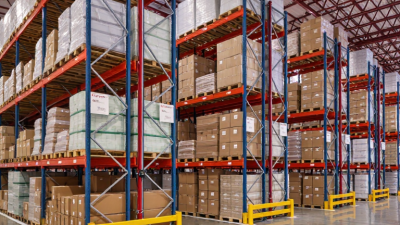
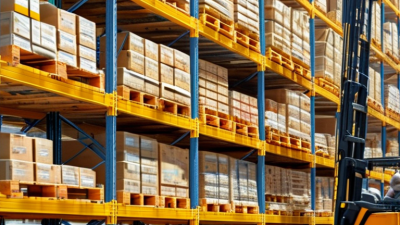
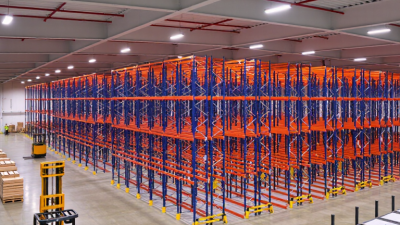
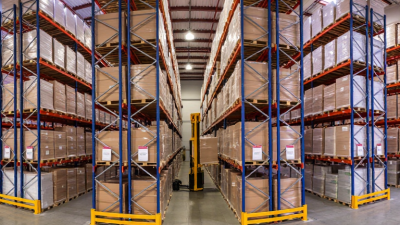
Heavy-duty pallet racks are steel storage structures designed to hold palletized goods across multiple levels. Upright frames form the vertical supports, while horizontal beams connect them and create each storage bay. A forklift places pallets onto the beams, often from an aisle, so operators can store dense loads without using floor space for every pallet.
Load paths matter.
Each beam pair supports a pallet, and the beams transfer its weight into the uprights and then the warehouse floor. In a selective rack layout, every pallet position is accessible from the aisle. That convenience can mean wider aisles and less storage density. Wire decking or pallet supports may help stabilize loads, but they do not automatically increase a rack’s rated capacity.
Capacity depends on the rack’s dimensions, beam levels, load distribution, floor conditions, and installation details. A capacity label should match the actual configuration; changing beam heights can alter the frame’s loading behavior. Check that pallets sit fully on the beams and that heavy items are not concentrated at one edge.
A practical inspection also looks for bent uprights, loose anchors, and damaged beam connectors. Small damage can be easy to overlook.
Rated capacities should be verified with a qualified rack professional, especially after layout changes or impacts.
Key Criteria for Evaluating Pallet Rack Systems
Key Criteria for Evaluating Pallet Rack Systems
Evaluate each rack against the actual pallet load, not a supplier’s maximum-capacity headline. Record the heaviest unit load, pallet dimensions, beam span, and number of storage levels. Then check that the quoted capacity applies to this exact configuration. The Rack Manufacturers Institute’s ANSI MH16.1 standard provides engineering guidance for steel storage racks, including design and load considerations. Small details matter. A beam rating alone does not confirm that the full bay is suitable. Ask for configuration-specific calculations and clear load plaques, and confirm how the system handles forklift impact and possible seismic forces. Requirements vary by site and country, so local engineering review is essential.
Also consider inspection access, replacement parts, finish, and future changes in inventory. A rack that fits today’s pallets may become awkward when product sizes shift. MHI and Deloitte’s 2024 Annual Industry Report found that 55% of surveyed supply-chain leaders planned to invest in robotics and automation over the following five years. That makes clear aisle widths, consistent rack geometry, and reliable location data increasingly useful. But a digital plan cannot fix a poorly specified bay. I still find this easy to overlook. Compare delivered specifications, not just catalog images, and ask how damaged components are identified and replaced. A little uncertainty remains: forecasts rarely capture every warehouse’s traffic pattern. Walk the proposed layout with operators before approving it.
Seven Heavy-Duty Pallet Rack Types for Global Buyers
Heavy-duty pallet racks are not one-size-fits-all.
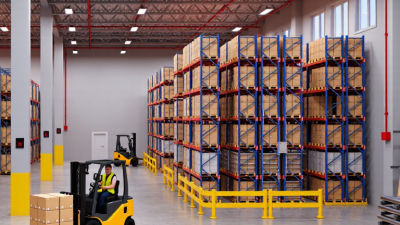
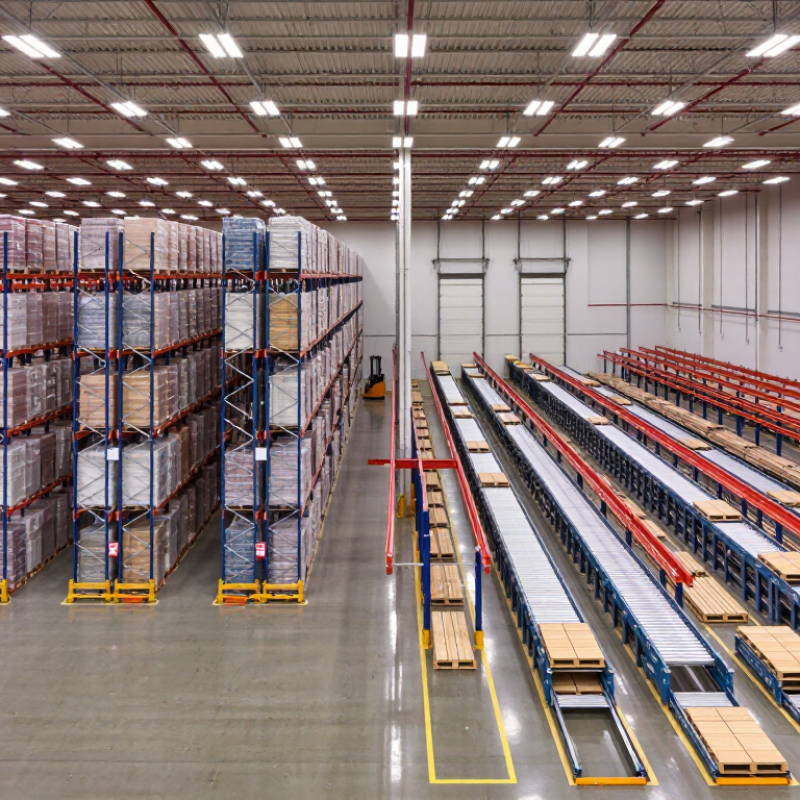
Selective racks offer direct access to every pallet, while double-deep racks store more loads per aisle but need reach trucks. Drive-in racks suit large batches of similar goods; push-back systems allow several pallets per lane. Pallet-flow racks use gravity rollers for first-in, first-out rotation. Cantilever racks hold long items such as pipes, and mobile racks move to open a working aisle.
Each design changes access, equipment needs, and storage density.
MHI and Deloitte’s 2024 Annual Industry Report found that 55% of surveyed supply-chain leaders planned to increase technology investment.
That shift makes adaptable storage worth considering, but automation alone cannot fix poor layout decisions. Measure actual pallet sizes, load weights, forklift turning space, and daily picks before choosing a system.
One assumption often proves wrong: future SKU growth. Leave room for change.
Rack capacity must be verified for the specific beam, frame, and load configuration; site conditions and local seismic requirements also matter. A dense drive-in layout may look efficient on paper, yet slow picking when products vary. Trade-offs matter.
How to Match a Rack System to Warehouse Needs
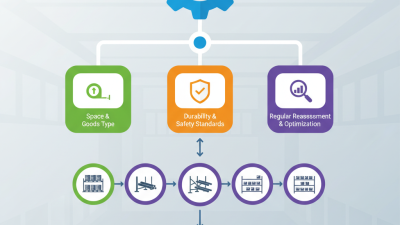
A rack choice starts with the pallet, not the product brochure.
Measure loaded pallet weight, footprint, height, and overhang. Then map each SKU’s turnover: fast-moving goods near dispatch may need direct access, while reserve stock can use denser storage. Start with the load.
MHI’s 2024 Annual Industry Report found that 55% of respondents were increasing investment in supply-chain innovation. That signals changing operations, but it does not mean every warehouse needs automation or maximum density. A manual forklift aisle still needs room to turn.
Match the rack to the building and daily workflow.
Check clear ceiling height, sprinkler clearance, floor condition, column positions, and forklift reach. A narrow-aisle layout can add locations, but it may slow replenishment if equipment or staff are not suited to it.
Small details matter: a 50-millimeter pallet overhang repeated across a bay can affect access and clearance. Specify beam capacity for the actual unit load, and display load limits where operators can see them. Have a qualified professional review the design and anchoring. Recheck after layout changes or impacts. Forecasts are imperfect; product dimensions and traffic patterns can change sooner than expected.
Global Safety, Installation, and Maintenance Considerations
Heavy-duty pallet racks must suit the building, the load, and local operating conditions. Buyers should confirm pallet dimensions, maximum unit weight, forklift aisle width, and clear ceiling height before choosing a system. A qualified local engineer can assess floor capacity and regional seismic or wind requirements. Standards vary by location, so one specification rarely fits every warehouse.
Installation quality matters as much as rack strength. Use trained installers, follow the approved layout, and anchor frames to the floor as specified. Check that uprights are plumb and beams are fully locked before loading. Keep load signs visible and readable in the warehouse’s working language. Small details matter. Even careful teams can overlook uneven floors, so verify the finished installation rather than relying only on drawings.
Maintenance should be simple, documented, and regular. Inspect racks for bent uprights, loose anchors, damaged beam connectors, and missing safety pins. A forklift impact can leave a small dent that worsens under repeated loading. Remove damaged sections from service until a competent person assesses them. Record repairs, inspections, and load changes; these records help teams spot recurring problems. In humid or coastal facilities, check for corrosion more often, though inspection intervals should reflect actual site conditions.