Blog

Why Is Warehouse Racking Important for Your Business?

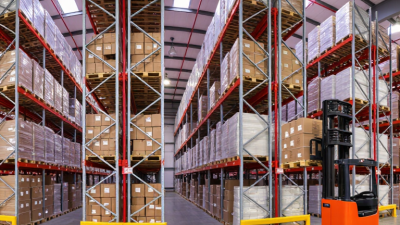
Warehouse racking shapes how a business stores, finds, and moves its goods. It turns floor space into organized storage, helping teams keep cartons, pallets, and supplies accessible. A well-planned system can improve picking routes and reduce unnecessary handling. That matters on a busy shift, when a misplaced pallet can slow several orders.

The right layout depends on more than available space. Product dimensions, pallet weights, forklift turning room, ceiling height, and delivery patterns all affect rack selection. Clear load labels and unobstructed aisles help workers use the system as intended. Routine inspections can also reveal bent uprights, loose components, or other damage before it becomes a larger concern. Small details matter.

Warehouse racking is not a cure for every storage problem. Poor slotting, inconsistent inventory records, or rushed loading can still create delays. Even a neat plan may overlook how staff actually move through the building; that gap deserves a second look. Businesses should compare storage needs with equipment guidance and consult qualified racking professionals when designing or changing a system. The goal is practical: store more effectively without making access, safety, or future adjustments harder. When the layout supports daily work, it can help a business use its space wisely and respond more smoothly as demand changes.
Why Is Warehouse Racking Important for Your Business?

What Warehouse Racking Is and How It Organizes Storage

Warehouse racking is a system of shelves and frames that stores goods vertically, rather than spreading them across the floor. It helps a business use available space more deliberately and keep stock easier to locate.

For example, clearly labeled racks can separate cartons of fasteners from bulky replacement parts. Staff can then follow consistent picking routes instead of searching through mixed piles. That matters.

Racking also supports better inventory checks. When each product has a defined location, workers can compare shelf quantities with stock records more easily. The system must match the goods, equipment, and building, though. Heavy pallets need suitable rack capacity, and aisles must leave room for handling equipment. A layout that looks efficient on paper may feel cramped during a busy shift.

Tips: Measure the space, including doorways and aisle widths, before planning a layout. Keep frequently picked items within practical reach, and label locations where workers can read them clearly. Check racks regularly for visible damage or loose components, and follow qualified guidance for inspections and repairs. Small details count.

Racking does not organize inventory by itself. Clear location rules, tidy shelves, and staff training make the structure useful day after day.

Even a well-planned layout can need adjustment after stock sizes or order patterns change. Review what workers actually encounter on the floor; the first plan may not be perfect.

How Racking Systems Make Better Use of Warehouse Space

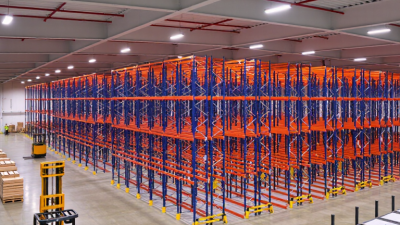
Warehouse space is not just floor area. It is usable cubic volume, and the gap between a crowded aisle and a productive one often sits above eye level. Properly designed pallet racking adds storage vertically, while keeping loads accessible to the equipment and workers who move them. The 2023 WERC DC Measures report benchmarks median warehouse capacity utilization at about 85%. That figure is a useful prompt, not a target for every building: ceiling height, fire protection, inventory mix, and handling equipment all shape safe capacity.

A site review can reveal wasted space in wide aisles, inconsistent beam levels, or slow-moving stock parked near picking areas. Selective racks offer direct access to each pallet; denser systems can hold more goods in a smaller footprint, but may limit access and require careful traffic planning. Small changes matter. For example, relocating reserve pallets above fast-pick locations can shorten replenishment trips without blocking the next order. And there is a catch: adding rack rows without checking turning clearances or load ratings can create new bottlenecks. Measure clear height, aisle widths, pallet dimensions, and daily movement before changing the layout. Racking works best when the design reflects real inventory—not an idealized spreadsheet.

How Racking Improves Inventory Access and Daily Workflow

Warehouse racking shapes how quickly a team can find, pick, and replenish stock. Clear locations reduce wandering: a picker can move from an aisle marker to a shelf level and bin without checking several labels. That matters. In its fourth-quarter 2024 report, the U.S. Census Bureau estimated that e-commerce made up 16.1% of U.S. retail sales, up 9.4% from the same quarter a year earlier. More online orders can mean more frequent picks, making accessible, well-organized inventory especially valuable.

Racking works best when product placement reflects actual demand. Keep fast-moving items in accessible bays, heavier goods at suitable lower levels, and replenishment paths clear of picking traffic. A simple location map also helps temporary staff return stock to the correct slot. Small delays add up. Still, putting every popular item near dispatch can create congestion, so review pick patterns and aisle flow rather than relying on habit.

Measure whether the layout helps. Track pick time, mis-picks, replenishment delays, and blocked aisles before and after changes. The Warehousing Education and Research Council’s DC Measures benchmarking program includes operational measures such as order-picking accuracy and lines picked per labor hour, useful indicators for evaluating workflow. Rack capacity and load limits also need careful attention; a tidy aisle is not enough if beams or uprights are damaged. A monthly walk-through can catch problems, though it may miss issues that develop between inspections.

Why Is Warehouse Racking Important for Your Business?

Order picking is commonly estimated to account for about 55% of warehouse operating costs. Well-organized racking, clear location labels, and logical product placement can make inventory easier to find and support smoother daily workflows. The chart shows a published industry benchmark, not a guaranteed cost reduction.
Source: Tompkins et al., Facilities Planning, 4th ed. (2010). The “Other warehouse activities” share is the remainder.

How Proper Racking Supports Workplace Safety and Product Care

Why Is Warehouse Racking Important for Your Business?

How Proper Racking Supports Workplace Safety and Product Care

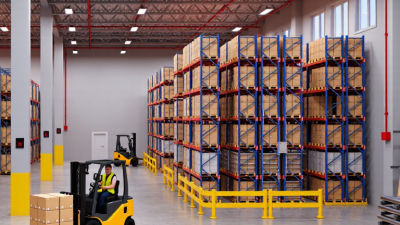
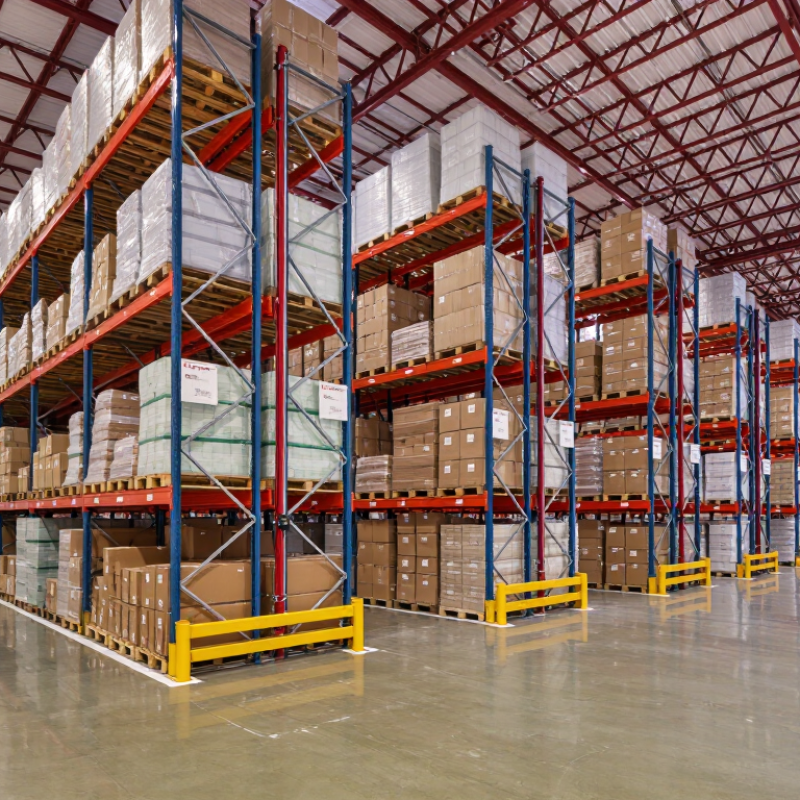
Well-planned warehouse racking gives each pallet a stable, predictable place. Clear storage locations can reduce hurried lifting, blocked aisles, and accidental collisions with shelves. Workers can see where products belong and move them with fewer awkward reaches. That matters during a busy shift. Small placement errors can still happen, especially when labels are hard to read or stock arrives unexpectedly.

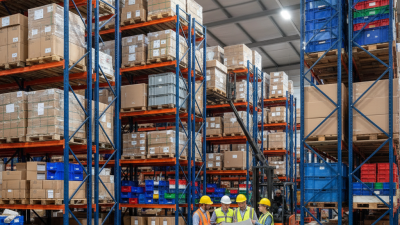
Racking also helps protect products from crushed packaging, floor moisture, and unnecessary handling. But storage systems are only as dependable as their setup and upkeep. Follow the rack manufacturer’s load ratings, keep heavier items on lower levels where appropriate, and never assume a beam can hold more because it looks sturdy. Damaged uprights, loose components, or impact marks need prompt attention from a qualified person. A quick visual check is useful, though it cannot replace a proper inspection.

Tips: Keep aisles and exits clear, and place readable load notices where staff can see them. Train workers to report rack strikes rather than quietly working around them. Store fragile cartons away from likely contact points, and use suitable supports for irregular loads. Review the layout when product sizes change; the old arrangement may no longer fit. Good racking helps, but it does not remove every risk.

Why Is Warehouse Racking Important for Your Business? — How Proper Racking Supports Workplace Safety and Product Care

Operational Dimension Potential Risk How Proper Racking Helps Practical Check
Load capacity and configuration Overloading or unevenly distributing loads can contribute to rack damage or instability. Using the rack configuration and load limits specified by its manufacturer helps keep stored loads within the system’s intended capacity. Confirm that load-capacity information is available and that stored loads match the applicable limits and configuration.
Load stability Unstable, poorly stacked, or protruding loads may shift or fall during storage and retrieval. Appropriate beam levels, compatible pallets, and stable load placement help keep products supported and contained. Check that loads are stable, properly supported, and not leaning or extending into aisles.
Rack condition Impact damage, loose components, or visibly bent members may affect the rack’s ability to support loads. Routine visual checks help identify concerns so the affected area can be assessed and addressed promptly. Look for visible damage, displaced components, or missing parts; restrict access to affected areas until they are assessed.
Forklift and pedestrian movement Congested aisles and obstructed routes increase the likelihood of collisions and handling incidents. Racking planned around the site’s material-handling equipment can help maintain usable travel and access routes. Keep aisles and designated walkways clear, and check that stored goods do not obstruct travel paths.
Product protection Inadequate support or contact with equipment and other loads can damage packaging or goods. Suitable shelf or pallet support and organized storage help reduce unnecessary handling and contact damage. Check that products are supported by the intended rack components and that damaged packaging is identified.
Housekeeping and access Debris, spills, or items left around rack bases can obstruct movement and make hazards harder to spot. Clear storage zones make access easier and support routine observation of the racking and stored loads. Keep floors around racks clear and promptly address spills or obstructions.
Installation and changes Unapproved alterations or incompatible components may change how a rack supports its loads. Following the system’s installation and configuration guidance helps preserve its intended design. Have changes, repairs, or reconfigurations reviewed by a qualified person or the rack supplier.

What to Consider When Selecting a Racking System

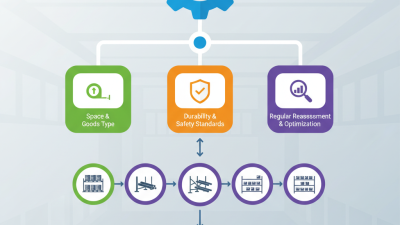
Choosing a racking system begins with the goods, not the catalogue. Measure pallet dimensions, including overhang, and record the heaviest expected load. Check how many stock-keeping units move daily, how quickly they turn, and whether orders require individual picking. A system that stores more pallets may still slow workers if popular items sit far from packing areas. Small details matter.

Review ceiling height, column locations, floor capacity, lighting, and sprinkler clearance before setting aisle widths. Forklift type and turning radius affect usable space; narrow aisles are not automatically efficient. Ask a qualified racking professional to verify load plans and anchoring for the building and operating conditions. Leave room for inspection and repairs, too. One easy mistake is planning around today’s inventory alone. Product mix can change, and a layout that looked tidy may soon feel cramped.

Tips: Measure the busiest picking route, not just an empty aisle. Compare storage capacity with access time, and keep a little flexibility for future stock changes. If measurements are uncertain, verify them on site before ordering.